
News Month: April
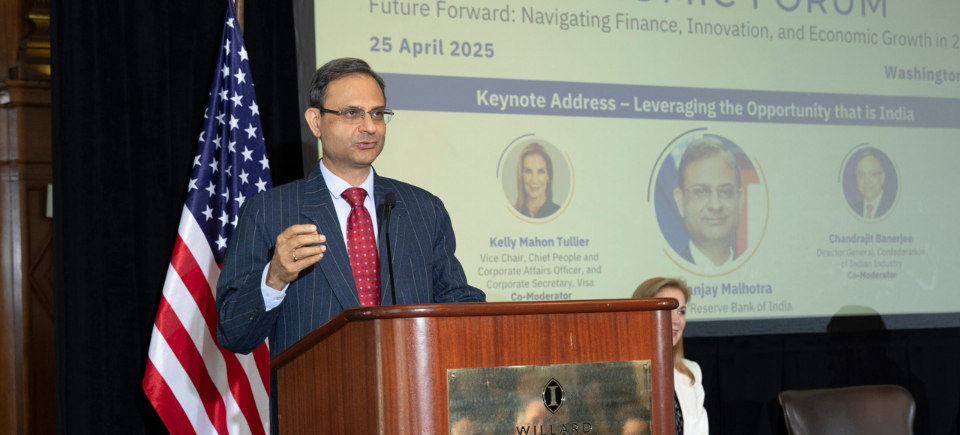
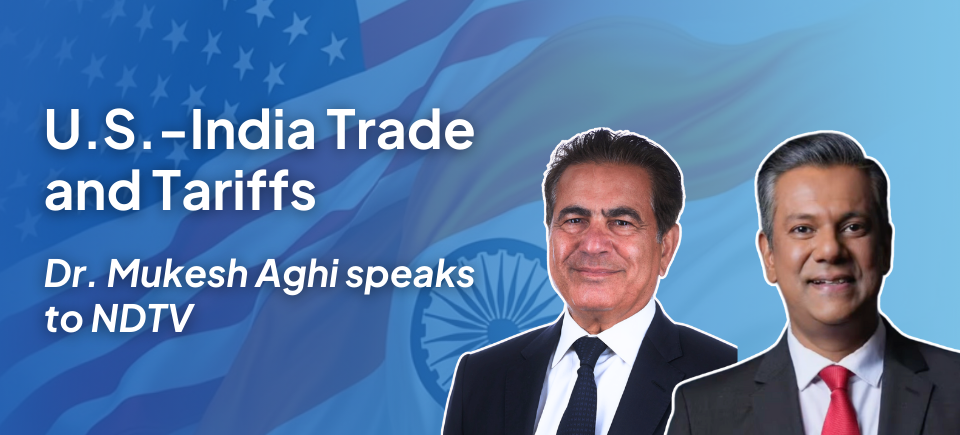
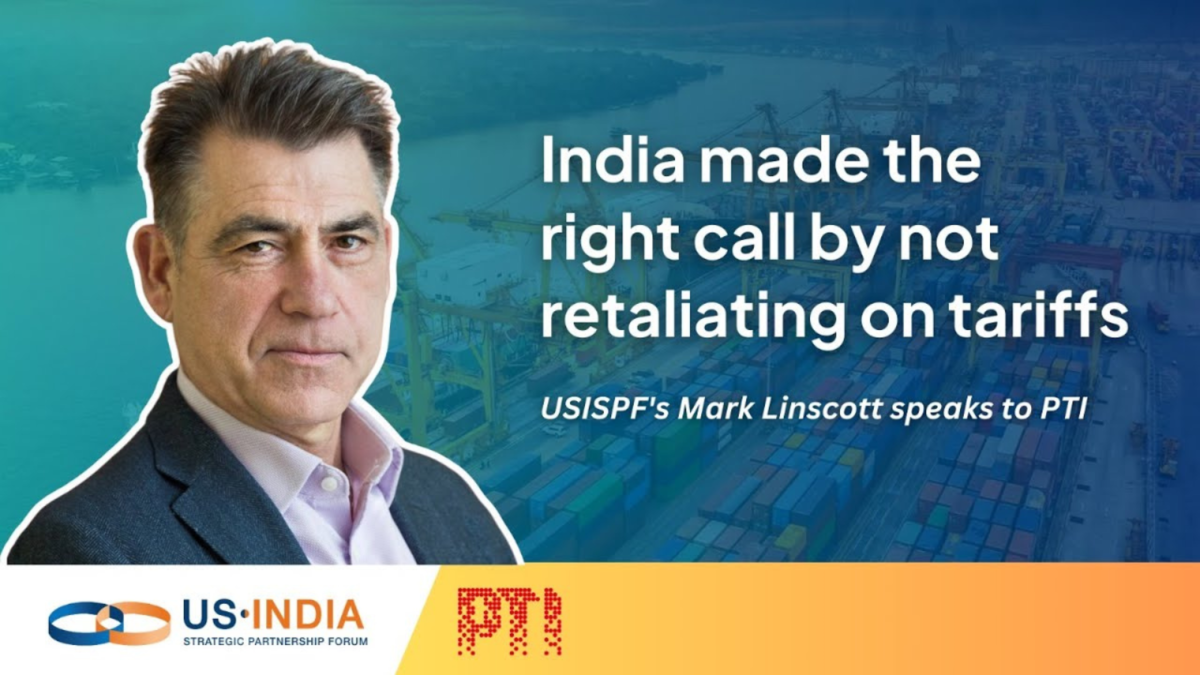
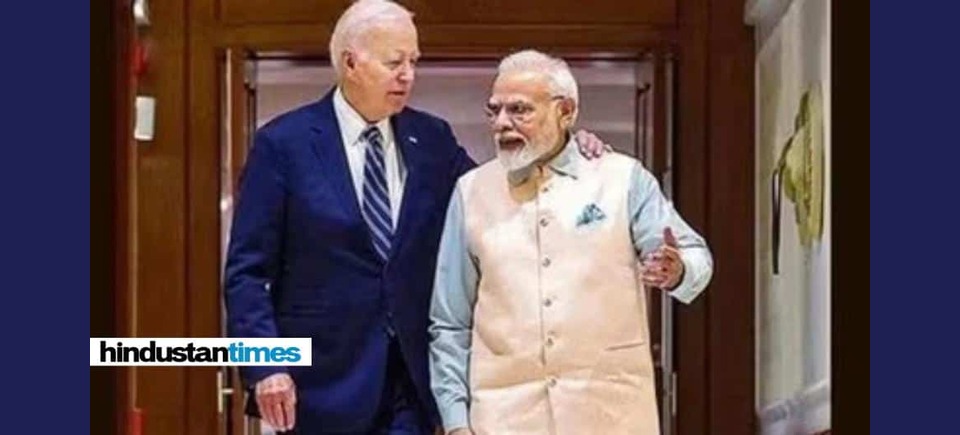
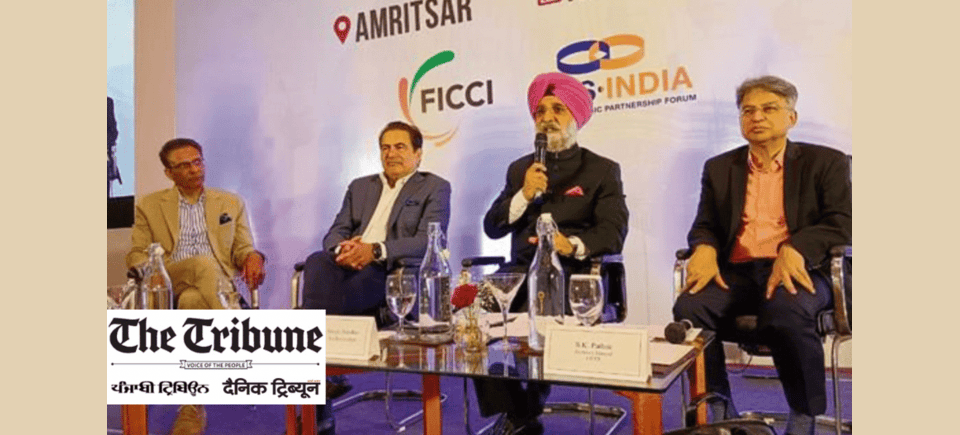
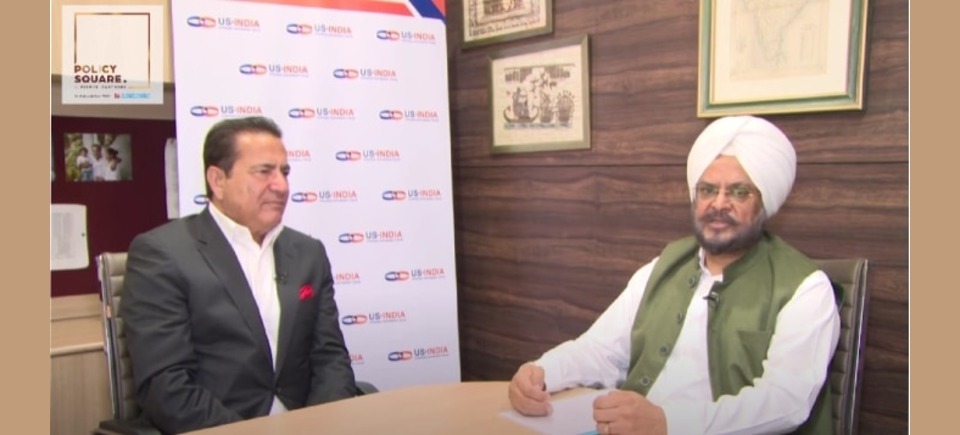
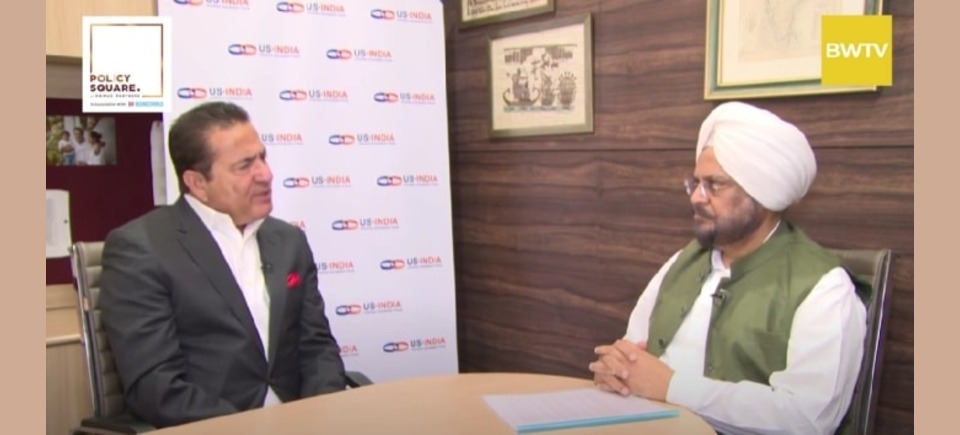
We are excited to present to you the latest edition of Policy Square, a joint effort by Primus Partners and Business World. In this episode of Policy Square, Dr. Mukesh Aghi, President and CEO of the US-India Strategic Partnership Forum (USISPF), engages in a thought-provoking discussion with Mr. Davinder Sandhu, Chairperson, Primus Partners, shedding light on five critical areas for a continued strategic partnership between India and the US. These areas include manufacturing, national security in emerging technology, aligning bilateral and multilateral priorities by leveraging India’s human resources, and trade.
Moreover, the conversation delves into the geopolitical dynamics of current times and how India and the US can form a powerful alliance, the global economy, the impact of new technologies such as AI, and favorable policies that promote accessibility & ease of doing business.
We thank Dr. Mukesh Aghi for sharing his valuable insights and recommendations on how to maximize the potential of this bilateral relationship. His profound thoughts have shed light on various avenues for collaboration, including other promising domains that warrant exploration by both nations.
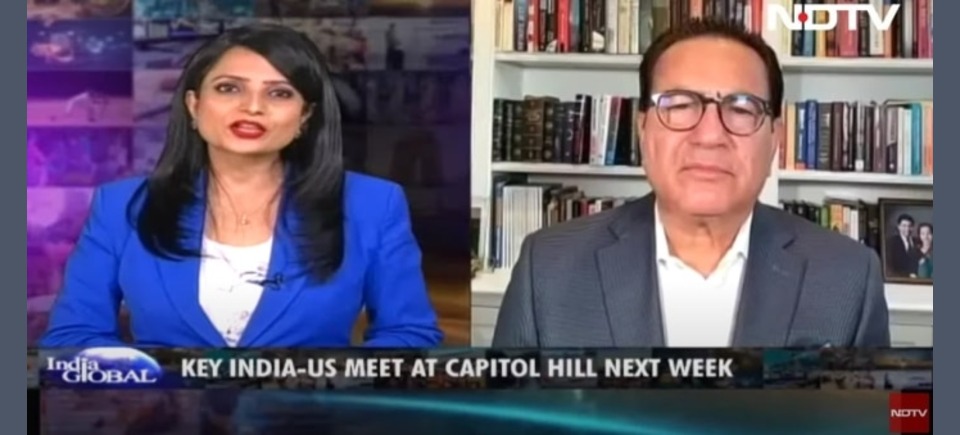
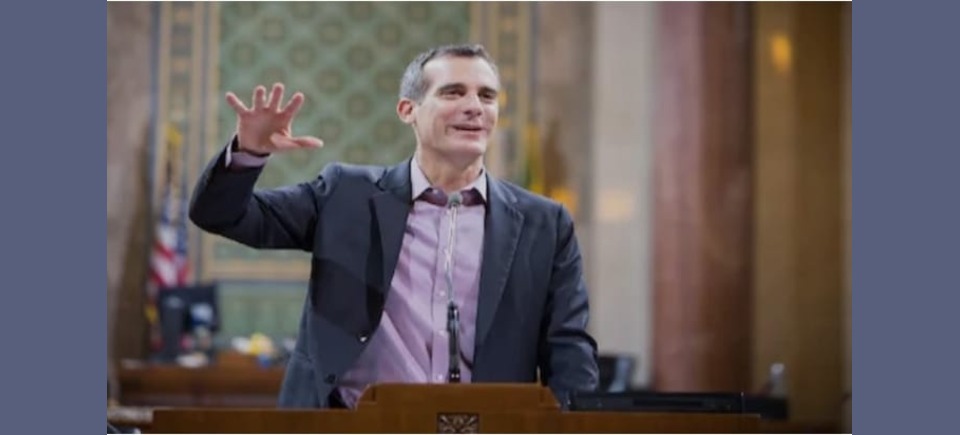
Eric Garcetti has arrived in India, thus ending the longest period since the United States has gone without an ambassador to India. Since Ambassador Ken Juster served his last days in January 2021, Roosevelt House in New Delhi had been without an occupant.
Ambassador Garcetti will no doubt hit the ground running and will be soon settling into an Indian summer after making the rounds in Washington. The former mayor’s experience of having been the executive of a large metropolitan like Los Angeles gives him a sharp perspective on the economic issues and prioritising the need to attract investors, all of which play a vital part as we seek to strengthen the commercial relationship.
On a personal front, the incoming ambassador shares a special affinity for India, having visited the country in his youth and having studied Hindi in college. During his time as Mayor, he interacted with Indian officials on matters pertaining to energy, ports, culture, and urbanisation and of course catered to the large diaspora in the Los Angeles metropolitan county.
As Ambassador, Garcetti will have a plate full of US-India engagement on the horizon with the Quad Summit in Australia, India hosting G20 world leaders, and an impending state visit by Prime Minister Modi over the summer.
One of the key aspects is that Garcetti is a well-known confidant of President Biden and this close convivial working relationship will expedite key decisions, which at times in the past could be stuck through layers of formal bureaucracy.
Garcetti’s biggest impact will be to help expedite the wait times as the visa backlog across all categories from working professionals to business visas, tourist, and student visas were severely affected due to the pandemic. The bureaucratic delays have exacerbated the wait times as several people have been unable to secure an appointment across the embassy and consulates in India.
His priorities will be threefold. On the commercial relationship, the US is now India’s largest trading partner, with annual bilateral trade touching near $200 billion. The commercial relationship remains robust with major American manufacturers looking at India for electronic manufacturing as companies seek a China plus-one strategy.
As India works to promote the investment climate and enhance the ease of doing business environment, Garcetti will be a key champion for American industry, creating a win-win situation as the positive tailwinds align in his favour.
On the geopolitical and geo-strategic part, Garcetti will reap the benefits of successive administration efforts, right from the Bush administration to the Civil Nuclear Deal, to the Biden Administration’s push for the inaugural Initiative for Critical and Emerging Technologies (iCET).
Defence has been one of the cornerstones of the US-India strategic partnership and Garcetti understands this well through his former background in the military as a US Navy reserve. The relationship has grown from almost zero sales to $20 billion in defence relationship since the seminal US-India civil nuclear arrangement. The new Ambassador’s top priorities will be to consolidate and build on these defence partnerships as the Indo-Pacific Quad gets momentum and the I2U2 begins to fructify in the same manner.
Furthermore, there is a vital opportunity for both American defence manufacturers as New Delhi seeks to gradually wean away from a dependence on the Russian-era arsenal. The war in Ukraine has galvanised the need to look at consolidating imports from the US, France and Israel, and the effects of the war on Russia’s military will also add to a supply chain issue for India in the long run, should this dependence continue.
The technology industry for decades has provided the US with a global competitive edge, and Silicon Valley continues to epitomise that hub for innovation. The time is ripe to focus on co-development and technology sharing, as iCET has opened this golden avenue. As the race for semiconductors heats up, the US and India can work towards chip manufacturing and focus on shared military technologies through the sale of jet engine technology.
Garcetti will be tasked to carry on the progress we have seen this year from the restart of the US-India Commercial Dialogue and the US-India CEO Forum. The commercial partnership is focused on rebuilding resilient supply chains, both to recover from pandemic losses and preclude a supply chain lacuna.
Furthermore, a stronger and stable supply chain network and a critical technology partnership with the U.S. will make Garcetti’s job easier to bat for American investors. This is the ideal win-win scenario as India seeks to consolidate its domestic and high-tech manufacturing base and American investors will need to be the lion’s share of those investments. Apart from the Trade Policy Forum (TPF), both India and the US underscore their priorities to build a stronger trade relationship through the Indo-Pacific Economic Framework (IPEF).
The upcoming G20 in India will touch on pertinent aspects of energy from climate finance to a much-needed shift to cleaner sources of energy and reducing dependency on fossil fuels in the emerging market world. And an impending state visit by Prime Minister Modi later this summer will give both Washington and New Delhi a chance to renew their larger and more specific bilateral goals, and energy collaboration with the strategic clean energy partnership could certainly be one of them.
However, most importantly, the underlying strength of the US-India relationship is epitomised in the people-to-people ties and one that is the secret ingredient of the strategic partnership.
Recent footage of Commerce Secretary Raimondo, partaking in the colourful festival of Holi with External Affairs Minister Jaishankar and Defence Minister, Rajnath Singh won the internet.
Increased American engagement with the Indian diaspora will be one of Garcetti’s top priorities, as his predecessor, Ambassador Juster partook in basketball activities as NBA teams made a splash across India.
Given his background in the southern Californian city of Los Angeles, codified as Hollywood central, Garcetti can help build on diaspora cultural linkage through Hollywood and Bollywood initiatives, as the Indian film industry has now garnered mainstream attention on American shores through the many years. Especially after the performance of RRR at the Oscars recently, a win for cultural diplomacy and the arts.
Visas continue to play an important part in ensuring education continuity, with constant student exchanges, and the recovery in the number of Indian students in the United States post the pandemic.
The eminent economist turned diplomat, John Kenneth Galbraith, known for his towering stature, served as President Kennedy’s envoy to India in the early 1960s and perhaps helped build the strong edifice US-India relations sit on today. This was far before, any nuclear deal was signed, or any commercial agreement was penned. In fact, it was during a time when India was rampantly socialist that was juxtaposed with American capitalism. But Galbraith had a deep affinity for the people of India, and saw as early as 1963, the possibility (when many may have seen none), of a US-India strategic partnership, based on shared democratic values and the people to people to relations.
Galbraith set the tone for his successors, eminent personalities such as Chester Bowles, Daniel Patrick Moynihan, Tom Pickering and Frank Wisner. Eric Garcetti has an opportunity to add himself to the roster of stalwarts by being empathetic, connecting with the population emotionally, and building a much stronger US-India partnership.
—The author, Dr. Mukesh Aghi, is President & CEO of the US-India Strategic Partnership Forum (USISPF).
More information
New Us Ambassador To India — Eric Garcetti To Pave The Way For A Stronger Partnership (cnbctv18.com)
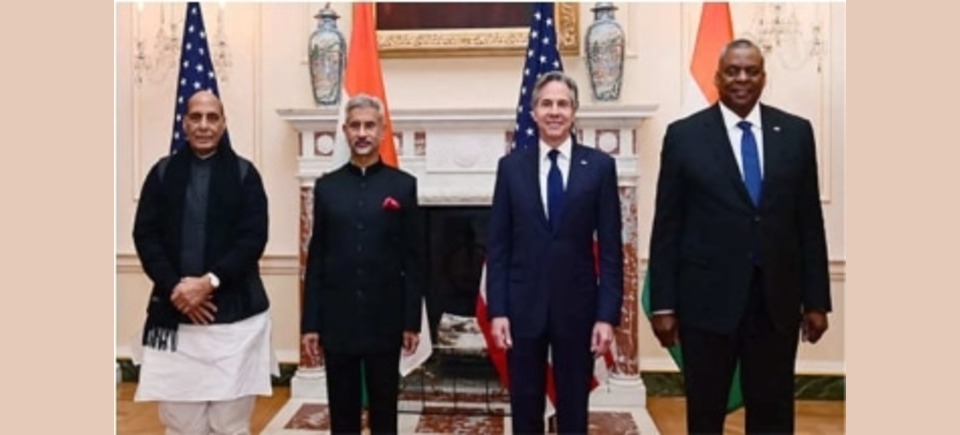
“The 2+2 Ministerial Dialogue outlined the path forward to continue building on the ambitious course in the US-India partnership and touched on the secret sauce of this relationship – the importance of people-to-people ties,” Mukesh Aghi, president of US India Strategic and Partnership Forum (USISPF) said.
President Biden and Prime Minister Modi will now look forward to continuing the conversation in May at the next Quad Principal’s meeting in Tokyo, Japan, he said a day after the first virtual bilateral meeting between the two leaders along with the fourth India-US 2+2 dialogue.
The talks reiterated and reaffirmed the strength and robustness of the bilateral partnership.
Washington has made abundantly clear that New Delhi is a key partner in helping secure a “free, open and prosperous Indo-Pacific” as both President Biden and Prime Minister Modi discussed the important aspects of bilateral and global significance, he said.
“Most importantly, both leaders touched on the worrying humanitarian situation with the conflict in Ukraine, as Prime Minister Modi reiterated that diplomacy and dialogue between Ukraine and Russia was essential to ending this conflict,” Aghi said.
External Affairs Minister, S Jaishankar, Defence Minister Rajnath Singh and their counterparts, Secretary of State, Antony Blinken and Secretary of Defense, Lloyd Austin reiterated their respective leaders’ commitment and efforts in the global fight against the COVID-19 pandemic, the urgency of climate action, strengthening resilient supply chains disrupted by the pandemic and the Indo-Pacific Economic Framework and infrastructure, he said.
According to Aghi, this 2+2, like the past editions, touched on key science and technology partnership initiatives and new domains of cooperation in space and cyber and emerging technologies.
The foreign and defense principles outlined the importance of counterterrorism, operationalising the Major Defense Partnership and multilateral co-operation under the Quad umbrella, he noted.
Aghi said the dialogues epitomised the burgeoning military to military cooperation and joint-exercises between the armed forces of both nations as both sides reaffirmed their common strategic interests and an abiding commitment to the rules-based international order, touching on the Indian Ocean region to East and Southeast Asia and Europe.
“Both President Biden and Prime Minister Modi outlined their concern on the food supply shortages arising from the conflict and agreed to maintain close consultations on the ongoing crisis in Ukraine, including on humanitarian assistance efforts, and condemned the loss of civilian life,” he said.
More information
https://m.economictimes.com/news/india/22-ministerial-dialogue-outlined-path-forward-to-continue-building-on-the-ambitious-course-in-india-us-partnership-usispf/amp_articleshow/90806157.cms
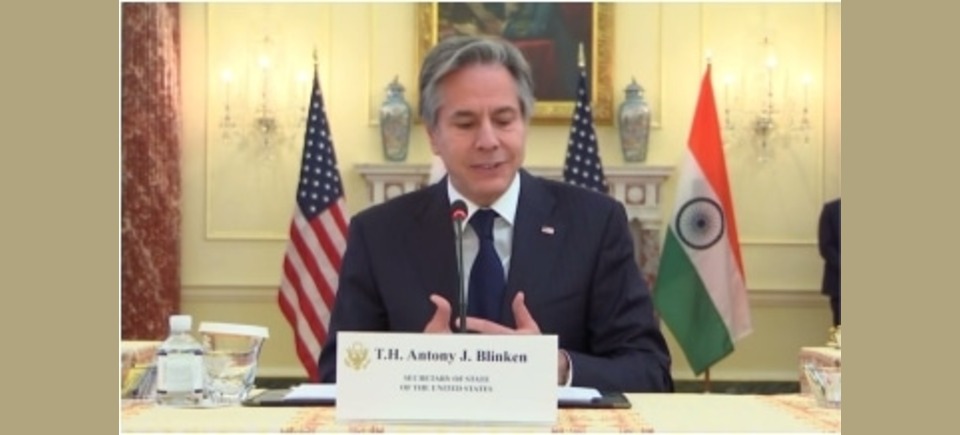
“The 2+2 Ministerial Dialogue outlined the path forward to continue building on the ambitious course in the US-India partnership and touched on the secret sauce of this relationship – the importance of people-to-people ties,” Mukesh Aghi, president of US India Strategic and Partnership Forum (USISPF) said.
President Biden and Prime Minister Modi will now look forward to continuing the conversation in May at the next Quad Principal’s meeting in Tokyo, Japan, he said a day after the first virtual bilateral meeting between the two leaders along with the fourth India-US 2+2 dialogue.
The talks reiterated and reaffirmed the strength and robustness of the bilateral partnership.
Washington has made abundantly clear that New Delhi is a key partner in helping secure a “free, open and prosperous Indo-Pacific” as both President Biden and Prime Minister Modi discussed the important aspects of bilateral and global significance, he said.
“Most importantly, both leaders touched on the worrying humanitarian situation with the conflict in Ukraine, as Prime Minister Modi reiterated that diplomacy and dialogue between Ukraine and Russia was essential to ending this conflict,” Aghi said.
External Affairs Minister, S Jaishankar, Defence Minister Rajnath Singh and their counterparts, Secretary of State, Antony Blinken and Secretary of Defense, Lloyd Austin reiterated their respective leaders’ commitment and efforts in the global fight against the COVID-19 pandemic, the urgency of climate action, strengthening resilient supply chains disrupted by the pandemic and the Indo-Pacific Economic Framework and infrastructure, he said.
According to Aghi, this 2+2, like the past editions, touched on key science and technology partnership initiatives and new domains of cooperation in space and cyber and emerging technologies.
The foreign and defense principles outlined the importance of counterterrorism, operationalising the Major Defense Partnership and multilateral co-operation under the Quad umbrella, he noted.
Aghi said the dialogues epitomised the burgeoning military to military cooperation and joint-exercises between the armed forces of both nations as both sides reaffirmed their common strategic interests and an abiding commitment to the rules-based international order, touching on the Indian Ocean region to East and Southeast Asia and Europe.
“Both President Biden and Prime Minister Modi outlined their concern on the food supply shortages arising from the conflict and agreed to maintain close consultations on the ongoing crisis in Ukraine, including on humanitarian assistance efforts, and condemned the loss of civilian life,” he said.

“The 2+2 Ministerial Dialogue outlined the path forward to continue building on the ambitious course in the US-India partnership and touched on the secret sauce of this relationship – the importance of people-to-people ties,” Mukesh Aghi, president of US India Strategic and Partnership Forum (USISPF) said.
President Biden and Prime Minister Modi will now look forward to continuing the conversation in May at the next Quad Principal’s meeting in Tokyo, Japan, he said a day after the first virtual bilateral meeting between the two leaders along with the fourth India-US 2+2 dialogue.
The talks reiterated and reaffirmed the strength and robustness of the bilateral partnership.
Washington has made abundantly clear that New Delhi is a key partner in helping secure a “free, open and prosperous Indo-Pacific” as both President Biden and Prime Minister Modi discussed the important aspects of bilateral and global significance, he said.
“Most importantly, both leaders touched on the worrying humanitarian situation with the conflict in Ukraine, as Prime Minister Modi reiterated that diplomacy and dialogue between Ukraine and Russia was essential to ending this conflict,” Aghi said.
External Affairs Minister, S Jaishankar, Defence Minister Rajnath Singh and their counterparts, Secretary of State, Antony Blinken and Secretary of Defense, Lloyd Austin reiterated their respective leaders’ commitment and efforts in the global fight against the COVID-19 pandemic, the urgency of climate action, strengthening resilient supply chains disrupted by the pandemic and the Indo-Pacific Economic Framework and infrastructure, he said.
According to Aghi, this 2+2, like the past editions, touched on key science and technology partnership initiatives and new domains of cooperation in space and cyber and emerging technologies.
The foreign and defense principles outlined the importance of counterterrorism, operationalising the Major Defense Partnership and multilateral co-operation under the Quad umbrella, he noted.
Aghi said the dialogues epitomised the burgeoning military to military cooperation and joint-exercises between the armed forces of both nations as both sides reaffirmed their common strategic interests and an abiding commitment to the rules-based international order, touching on the Indian Ocean region to East and Southeast Asia and Europe.
“Both President Biden and Prime Minister Modi outlined their concern on the food supply shortages arising from the conflict and agreed to maintain close consultations on the ongoing crisis in Ukraine, including on humanitarian assistance efforts, and condemned the loss of civilian life,” he said.
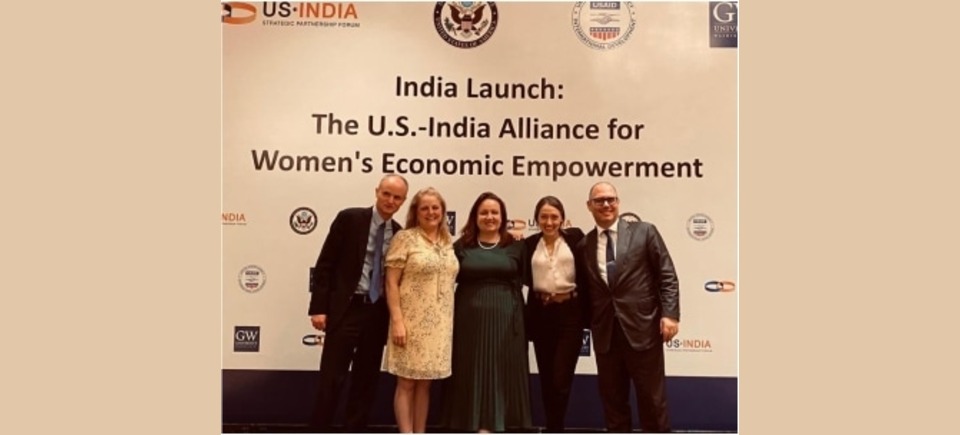
Today, the U.S.-India Strategic Partnership Forum (USISPF), the U.S. Department of State, the U.S. Agency for International Development (USAID), and George Washington University launched the U.S.-India Alliance for Women’s Economic Empowerment (Alliance) in New Delhi, India. The Alliance is a public-private partnership between the State Department, USAID, USISPF, and George Washington University aimed at advancing women’s leadership, economic participation, and entrepreneurship in India in order to gain better access to finance, technical skills, networking opportunities, and other tools to grow their businesses and succeed in the workforce.
The Alliance was first announced in October, 2021 in Washington, D.C. by USAID Administrator Samantha Power. Smriti Irani, the Honourable Minister for Women and Child Development, Government of India, delivered keynote remarks at the launch today in New Delhi. The launch also featured Patricia Lacina, Chargé d’affaires, U.S. Embassy New Delhi, Katrina Fotovat, Senior Official of the, Secretary’s Office of Global Women’s Issues, U.S. Department of State, and Sanjay Gupta, Country Head and Vice-President, Google, Inc.
Senior Official Katrina Fotovat emphasized the longstanding U.S. commitment to advancing women’s economic security, “When women’s voices, expertise, and contributions are recognized in the boardroom, marketplace, household, and community, businesses grow, partnerships are formed, and innovative solutions are created, allowing economies [to] thrive and women to prosper.”
At the event today, Sanjay Gupta announced a “Google pledge to support 1 million women in their entrepreneurship journeys with WomenWill and towards the cause of the India Million Women Mentors Initiative of the Alliance. Since 2015 in India, Google began the journey to bring more women online with the Internet Saathi program, which trained approximately 30 million rural women across 300,000 villages in basic digital literacy.” Led by Alliance member Pod, the India Million Women Mentors Initiative aims to connect one million women and girls in India with mentors over the next five years.
Smriti Irani, Hon’ble Minister for Women and Child Development, Government of India, re-iterated the Honourable Prime Minister’s commitment to lead “women centric initiatives that have supported the growth trajectory of many women in India”. On the occasion of this launch, she emphasized that, “women for long have been consumers of technology. It is time to move the needle to see women as owners and leaders of technology.”
Mukesh Aghi, President, and CEO of the US-India Strategic Partnership Forum, commended the launch of the Alliance, saying, “We are glad to see the momentum of the Alliance since it first launched in October.”
GWU is the Alliance’s academic partner and will provide insights and leadership around the acceleration of gender lens investment in India through data and evidence. Amita N. Vyas, Director of the GW Maternal and Child Health Centre at Milken Institute School of Public Health at GW serves on the Alliance’s Executive Committee alongside senior leaders from the U.S. Department of State, USAID, and the U.S. India Strategic Partnership Forum. “The Alliance will provide new and innovative ways to create stronger partnerships and investments, and we know that investing in adolescent girls and women is catalytic because it not only changes the lives of individual women, but ensures that their families, communities, and the country thrives,” Vyas said.
About the U.S.-India Alliance for Women’s Economic Empowerment
The U.S.-India Alliance for Women’s Economic Empowerment is a public-private partnership between the State Department, USAID, USISPF, and George Washington University designed to catalyse transformational commitments to foster women’s economic advancement and inclusion in India. We focus on three areas of action: accelerating women’s entrepreneurship, fostering leadership in the workforce and providing access to career enhancing education and skills building opportunities. The Alliance works with cooperating members in the private sector, civil society, and academia in both countries to advance its mission.
About the U.S.-India Strategic Partnership Forum
The U.S.-India Strategic Partnership Forum (USISPF) is committed to creating the most powerful partnership between the United States and India. As the only independent not-for-profit institution dedicated to strengthening the U.S.-India partnership in Washington, D.C. and in New Delhi. USISPF is the trusted partner for businesses, non-profit organizations, the diaspora, and the governments of India and the United States.
More information
https://www.theweek.in/wire-updates/business/2022/04/01/pwr22-us-india-strategic-partnership-forum.html
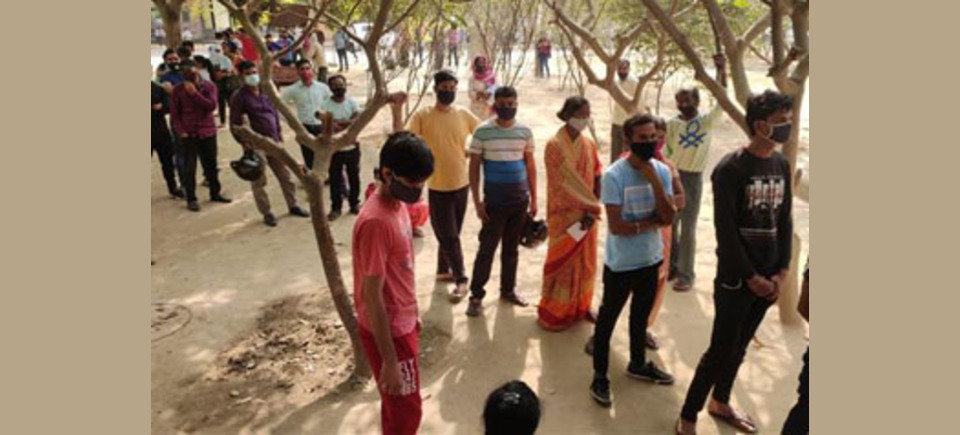
India is currently struggling with a second wave of the pandemic with more than 3 lakh daily new coronavirus cases being reported in the past few days
Washington, April 28
America’s corporate sector has stepped up its efforts to help India in its battle against the Covid pandemic and ensure that lives are saved, the head of an India-centric American business advocacy group has said.
India is currently struggling with a second wave of the pandemic with more than 3 lakh daily new coronavirus cases being reported in the past few days, and hospitals are reeling under a shortage of medical oxygen and beds.
“The other whole objective is, what we need to do to save and sustain life,” Mukesh Aghi, the president of the US India Strategic and Partnership Forum, said.
“All I can say is all hands are on deck. US corporations have stepped up and you will see the speed and things coming to India very fast,” Aghi told PTI in an interview.
Representing several hundred American companies having a footprint in India, Aghi who has been coordinating with both the US and Indian governments said that these organisations are concerned about the situation as most of them have large employee bases in India.
Over the past few days, CEOs of various companies have been holding daily virtual meetings to discuss and coordinate their relief efforts in India.
Many of these announcements have come out in the public domain, for instance, MasterCard contributing USD 10 million, and Google announcing USD 18 million in new funding for India.
Google is helping India with tracking Covid in India.
Aviation giant Lockheed Martin is sending helicopters and cargo flights to move equipment to small towns in India.
And many firms have offered their empty offices in India to be used as vaccine centres.
UPS and United and Delta have already volunteered flights to take equipment to India. Amazon is coordinating ventilators distribution.
FedEx on Tuesday flew 1,000 oxygen concentrators to India.
Air Products announced plans to allocate resources and assets from its operations around the world to support and maximise the supply and distribution of oxygen within India during this period of crisis.
“From IBM to Amazon to Chase all, I would say, most of them, have stepped up. The CEOs have stepped up and made tremendous contributions to ensure that lives are saved,” he said in response to a question.
“What we have agreed, is basically look at multiple areas to support India. First is bringing in oxygen concentrators. As of now, we have almost 1,000 oxygen concentrator devices landing in India between today and tomorrow. We are targeting to bring at least 25,000s of them and have been resourcing around the world to be shipped to India,” Aghi said. PTI
More information
Other Sources: Times of India, The Wire, and The First Post

Washington: In a show of solidarity, the CEOs of about 40 top American companies have come together to create a first-of-its-kind country-specific global task force to mobilise resources and coordinate efforts to help India fight the battle against COVID-19.
A collective initiative of the US-India Business Council of the US Chamber of Commerce, and the US-India Strategic and Partnership Forum and Business Roundtable, the task force during its meeting here on Monday committed to get 20,000 oxygen concentrators to India in the next few weeks, Deloitte CEO Punit Renjen told PTI.
The new US public-private partnership to provide India critical medical supplies, vaccines, oxygen, and other life-saving assistance amid an unprecedented surge in coronavirus cases is called the ‘Global Task Force on Pandemic Response: Mobilising for India’.
The first-of-its-kind country-specific global task force to address a public health crisis in another country was addressed by US Secretary of State Tony Blinken.
The conversation showed how the United States and India can leverage the expertise and capabilities of the US private sector towards solutions for India’s COVID-19 crisis, Blinken said in a tweet.
“A number of American companies have come together over the weekend. We are focused on doing our very best to help in any way that we possibly can. As the prime minister said, we were very confident, our spirits were up after successfully tackling the first wave, but this storm has shaken the nation. It is up to us to help in any way possible,” Renjen said in response to a question.
More information
Other Sources: Business Today, Republic World, The Hindu, Economic Times, The Tribune, and Business World

India had supported multiple countries when they were battling the COVID-19 pandemic throughout 2020 and early 2021. And now, as India fights an unprecedented health crisis, support has started pouring in from different corners of the world.
International governments and private companies are pitching in to help India overcome the shortage of oxygen and medicines needed to fight the virus. The US government has promised to immediately supply essential raw material required to manufacture Covishield and will also send oxygen generation equipment to India.
US President Joe Biden said in a tweet: “Just as India sent assistance to the US as our hospitals were strained early in the pandemic, we are determined to help India in its time of need.”
The US National Security Advisor Jake Sullivan spoke to India’s NSA Ajit Doval about the spike in COVID-19 cases in India and offered assistance across the board. Among other countries, the UK has announced that it is sending over 600 medical devices including oxygen concentrators and ventilators, while Germany, France and Russia said they would provide oxygen support and other medical help to India.
India’s Reliance Group, Adani Group, Amazon and the Tata Group along with Singapore’s Temasek have been arranging supplies including oxygen containers and concentrators, some of which have already started to arrive on Indian shores.
Global business leaders have also extended their support to India. Google’s Sundar Pichai said, “Devastated to see the worsening COVID crisis in India. Google & Googlers are providing Rs 135 crore in funding to give India and UNICEF for medical supplies, organisations supporting high-risk communities, and grants to help spread critical information.”
Microsoft’s Satya Nadellla tweeted, “I am heartbroken by the current situation in India. I am grateful the US government is mobilizing to help. Microsoft will continue to use its voice, resources, and technology to aid relief efforts, and support the purchase of critical oxygen concentration devices.”
To discuss the worldwide support India is receiving, CNBC-TV18 Managing Editor Shereen Bhan spoke to Nisha Biswal, President of USIBC; Mukesh Aghi, President of USISPF; Walter Lindner, German Envoy to India and Ugo Astuto, EU Ambassador to India.
More information
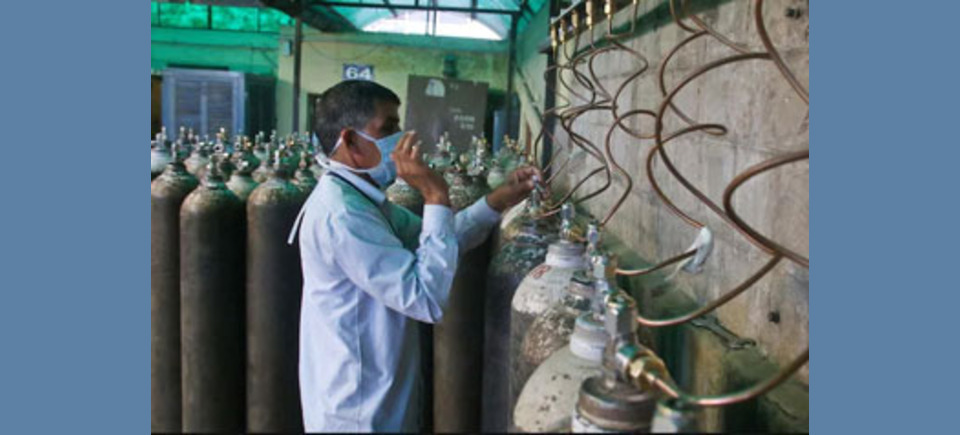
Washington, Apr 25 (PTI) An India-centric American trade advocacy group on Sunday said it has placed orders for one lakh portable oxygen concentrators and is working to airlift oxygen cylinders to New Delhi and other cities, in addition to sending shipment of vaccines directly from companies.
“Fighting the pandemic effectively will require concerted action on all fronts. At this time, the need is enormous, and all resources have to pooled,” said US-India Strategic and Partnership Forum (USISPF) president and CEO Mukesh Aghi.
The USISPF is working closely with the Government of India to ensure seamless movement of critical equipment and supplies, he said.
“USISPF will be soon setting up a dedicated web portal to centralize the efforts of individuals and other companies,” Aghi said.
Giving details of the efforts by USISPF, Aghi said India will soon receive at least a dozen ISO containers that will help transport oxygen within the country. These containers are being shipped or airlifted from different parts of Asia. Another dozen containers have already been identified for shipment to India and efforts are on to triple this number, he said.
USISPF members are working on airlifting oxygen cylinders into Delhi and a few other states that face shortage of oxygen supply.
Through generous donation of its member companies, USISPF has placed orders to source 100,000 portable oxygen concentrators for use at home and hospitals to be shipped to India immediately, he said, adding that USISPF is already in touch with manufacturers in the US, Mexico, Malaysia and China.
“India will soon also receive a significant shipment of vaccine directly from pharmaceutical companies,” he said.
USISPF has also approached companies in the US to supply and/or donate ICU beds, Covid-Test kits, N-95 Masks and other medical equipment. We expect the shipments to begin as early as Tuesday/Wednesday of the coming week.
On the ground, USISPF is working with member companies and NGO partners to set up vaccination and medical centers on corporate campuses.
In a statement, USISPF appreciated the efforts by leaders across the US government at the highest level to identify concrete steps the United States can take to assist India through this crisis.
“We look forward to announcements soon that will support India’s efforts to fill needs like oxygen, medicines, medical supplies, and vaccines,” USISPF said.
“This should include a waiver of current restrictions on the export of vaccine raw materials to ensure production of vaccine in India can continue uninterrupted. USISPF and our members stand ready to support assistance efforts of the US government at this critical time,” it said. PTI LKJ ZH ZH
More information
Other Sources: Business Wire, India Today, Business Line, ANI News and Millennium Post
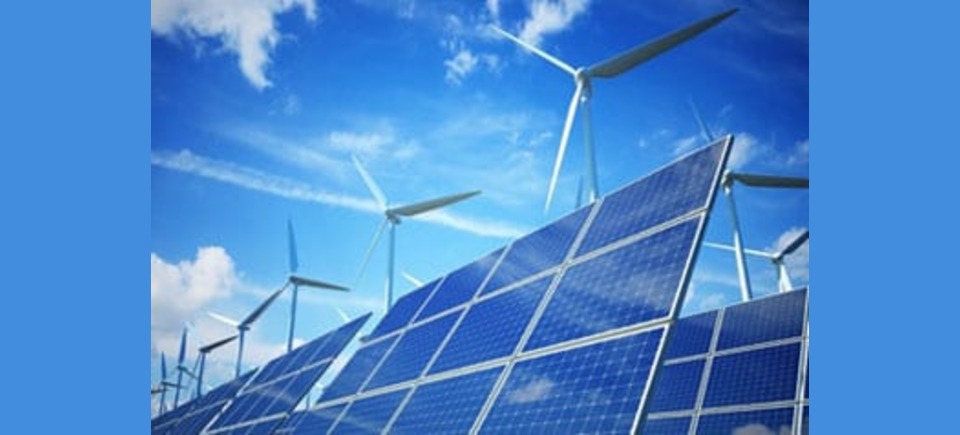
America’s relationship with India continues toascendin the Biden administration. The productive engagement by Prime Minister Modi and President Biden at the first Quad Summit was followed by a successful visit by U.S. Secretary of Defense Lloyd Austin III to India.
America’s relationship with India continues to ascend in the Biden administration. The productive engagement by Prime Minister Modi and President Biden at the first Quad Summit was followed by a successful visit by U.S. Secretary of Defense Lloyd Austin III to India. Even as White House occupants change and new priorities emerge, the U.S.-India relationship, built on common interests, shared values and wide spread linkages, continues to deepen and broaden to new areas of cooperation.
This week Special Presidential Envoy for Climate John Kerry will meet with senior officials in New Delhi prior to President Biden’s Leaders Summit on Climate, which Prime Minister Modi and 39 other leaders will attend. Since Mr. Kerry’s last official visit to India as Secretary of State in 2016, India has worked hard to achieve its Paris climate commitments. It is on track to decrease the carbon intensity of its economy by 33-35 percent from 2005 levels to 2030 through adoption of renewables and natural gas, forest restoration and conservation and incentives to encourage the sale of electric vehicles, among other efforts. India’s energy consumption per capita is only a third of the global average, but as it approaches a $5 trillion economy, rising energy usage will drive up emissions unless more aggressive abatement measures are implemented.
India must provide low-cost energy access to millions to break the cycle of poverty and support long-term growth. If Washington accepts this imperative, low-carbon energy can be the next strategic pillar in the U.S.-India partnership. India’s energy choices must be affordable and accessible so more Indians can benefit. They must also be sustainable to protect India’s environment and the planet and scalable to meet the rising needs of 1.5 billion Indians by 2030. Achieving these conditions will require international dialogue, government support and active industry involvement.
Three opportunities are particularly promising:
- continuing the impressive deployment of renewables;
- increasing natural gas usage;and
- introducing new technologies to develop India’s own sources of fossil fuels and then to abate their emissions.
India has made major strides in deploying renewables, with 136 GW of installed renewables capacity now representing 38 percent its installed electricity generation. India intends to expand its renewable energy capacity to 450 GW by 2030. Launched in 2009, the U.S.-India Partnership to Advance Clean Energy (PACE) was expanded by Prime Minister Modi and former President Barack Obama and will become a cornerstone of the strategic energy partnership between Minister of Petroleum and Natural Gas Dharmendra Pradhan and U.S. Energy Secretary Jennifer Granholm.
Recognizing the value of natural gas in Indian homes, transportation and industry, Prime Minister Modi has committed to nearly triple India’s use of natural gas by 2030. The United States enables India’s quest for cleaner energy with supplies of liquefied natural gas (LNG)that have climbed from zero in 2015 to more than 124,000 million cubic feet last year. And under the auspices of the U.S.-India Gas Task Force, American and Indian companies are innovating to get cleaner burning fuel to otherwise stranded Indian businesses. For example, ExxonMobil is partnering with Indian Oil Corporation and Chart Industries to create virtual pipelines to deliver LNG on intermodal containers by road, rail and waterways not connected by physical pipelines to demand centers that otherwise must rely on more costly energy sources with higher emissions. The result will be more Indian manufacturing, more Indian jobs and lower Indian emissions.
The United States also can supply advanced technology to help meet India’s dual challenge of obtaining more affordable and reliable energy while reducing environmental impacts. India now relies heavily on crude imports that drain foreign currency reserves and create security vulnerabilities. But India may have abundant oil and gas reserves in its vast maritime territory. With governmental support, India should be able to attract international companies with proven expertise in deep-sea and ultra-deep-sea exploration. American firms also can help India implement carbon capture and storage (CCS), the process of capturing CO2 that would otherwise be released into the atmosphere and injecting it into deep geologic formations for safe and secure storage. CCS is a promising way to abate emissions in industrial sectors such as chemicals, cement and steel. Hydrogen is another option to reduce emissions in hard-to-mitigate industrial and transportation applications. Hydrogen is a versatile fuel that can be made from renewables, gas and coal.
In each of these areas, U.S. companies will be essential to drive the U.S.-India partnership to new heights. By making low-carbon energy a strategic pillar of the bilateral relationship, India and the United States can transform their common challenges into shared opportunities.
(The author is President and CEO, U.S.-India Strategic Partnership Forum. Views expressed are personal and do not reflect the official position or policy of the Financial Express Online.)
More information
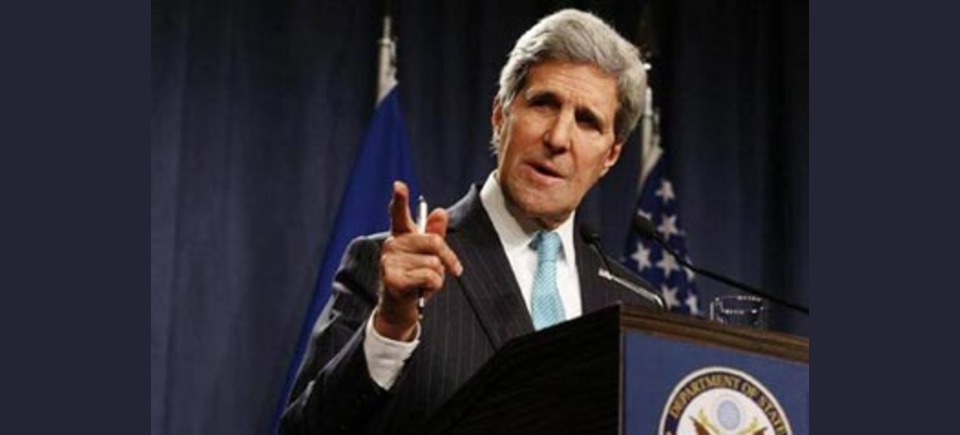
Kerry made the comment while delivering the keynote address at the annual leadership summit of South Asia Women in Energy — a platform launched in 2019 by the US India Strategic Partnership Forum (USISPF), in partnership with United States Agency for International Development (USAID).
Calling India a “red hot investment opportunity” because of the country’s efforts to increase the share of renewables in the energy basket, special US presidential envoy for climate John Kerry said on Tuesday that “global investment in new clean power capacity is set to exceed $10 trillion through mid-century, more than six times the investments in dirtier options”.
Kerry made the comment while delivering the keynote address at the annual leadership summit of South Asia Women in Energy — a platform launched in 2019 by the US India Strategic Partnership Forum (USISPF), in partnership with United States Agency for International Development (USAID).
Kerry, who is the former US secretary of state, is touring Abu Dhabi, New Delhi, and Dhaka, between April 1-9 for consultations on increasing climate ambition, ahead of US President Joe Biden’s Leaders’ Summit on Climate scheduled in April 22-23.
“I want to see India flourish as a clean tech hub of Asia, producing and deploying clean technologies and playing a critical role in global clean supply chains,” Kerry stated. Earlier in the day, Kerry met Prakash Javadekar, the Union minister of environment, forest and climate change.
“In 2021, we stand at the precipice of a rare opportunity to create new technologies and new markets,” Kerry said, adding that “India sees this and India is seizing this opportunity.” India has set a target to raise the capacity of installed renewable energy generation plants from the current level of 93 giga-watt (GW) to 450 GW by 2030. About 35 GW is under various stages of implementation and 30 GW under various stages of bidding. If the 45.7 GW of hydro and 6.8 GW of nuclear capacities are included, the target under the Paris climate change accord of having 40% of installed power generation capacity from non-fossil fuel sources can be achieved by 2022 itself.
More information
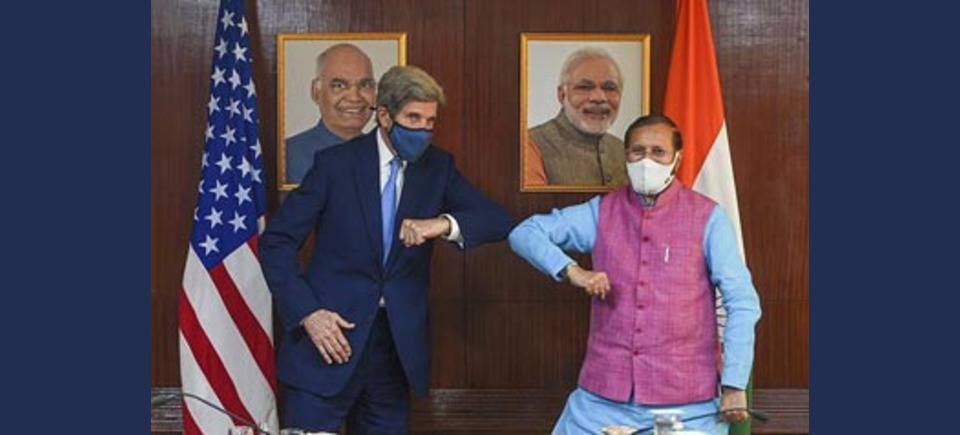
John Kerry met with Environment Minister Prakash Javadekar and External Affairs Minister S. Jaishankar on Tuesday
India is a “red-hot” investment opportunity because of its “clean energy” shift, said U.S. special envoy, suggesting that having the US as a partner in tackling climate change is a unique advantage. In his first public address after reaching Delhi for a four-day visit to prepare for U.S. President Joseph Biden’s Climate Change Summit on April 22, Mr. Kerry said the U.S. is committed to bringing emissions to below 1.5 degrees Celsius, and hoped to help India cut emissions as well.
Mr. Kerry met with Finance Minister Nirmala Sitharaman, External Affairs Minister S. Jaishankar, and Environment Minister Prakash Javadekar on Tuesday. He is expected to meet with Prime Minister Narendra Modi, Petroleum minister Dharmendra Pradhan and Minister of State for Renewable Energy R.K. Singh on Wednesday.
“FM underscored the need to enhance financial flows to developing countries beyond $100bn to strengthen climate action,” a Ministry of Finance statement said, underscoring the need for developed countries’ to keep their $100 billion commitment per year to developing countries.
While it is unclear whether he will make any announcements on restoring some of the funding for India that the Trump administration had cancelled, Mr. Kerry is understood to be discussing how to deepen India’s targets for renewable energies, and laying the ground for the COP-26 summit in the UK later in the year as well.
“India has an advantage that we didn’t have in the US as we were developing… Not just the benefits of decades of scientific and technical advancements. You also have the United States as your friend and partner. And we are here to support you on this path to a sustainable future,” Mr. Kerry said in a videotaped message to the U.S. – India Strategic Partnership Forum (USISPF) at a virtual conference for South Asian women involved in the energy industry.
“India has the opportunity to both elevate women’s empowerment, and to avoid the mistakes made by other countries like ours. Instead of building a modern and sustainable society that is the envy of the world, some of us have contributed too much to the problem that we’re living through today,” he added, commending India for its leadership of the International Solar alliance, working towards targets of 450 gigawatts of renewables by 2030, and becoming a global market leader of solar energy storage by 2040.
Calling for more innovation and cooperation between India and the US in order to make a “net zero energy transition”, Mr. Kerry said that the world needs to phase out coal or thermal energy “five times faster” than it has in the period 2013-2018, ramp up renewable energy six times faster and transition to electric vehicles at a rate 22 times faster in order hold global warming increases at 1.5 degrees Celsius.
“I want to see want to see India flourish as a place of green tech hub of Asia, producing clean technologies and playing a critical role in global clean supply chains. I believe our two nations, the world’s two biggest democracies have a great deal to gain from joining hands for global leadership to confront the climate crisis and meet the moment,” Mr. Kerry said.
More information
Categories
CNBC-TV18 @CNBCTV18News


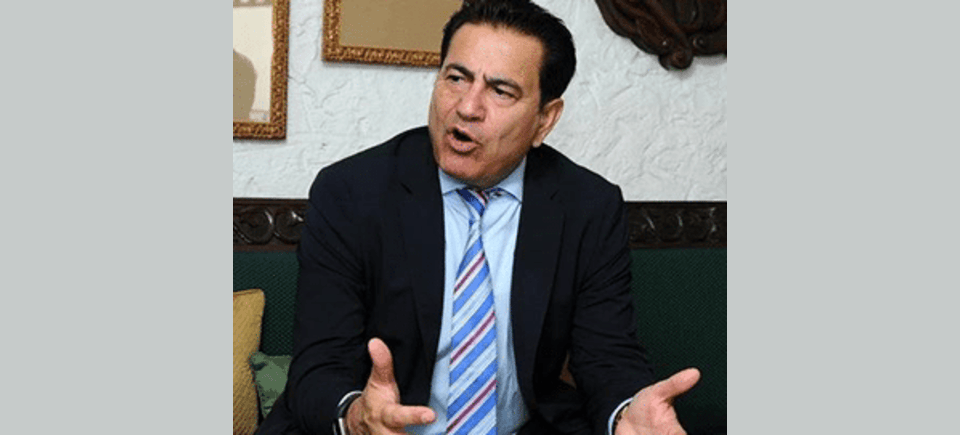

Source: Youtube
Source Link: https://www.youtube.com/watch?v=8XjVcdX_cgI&t=11s