
News Month: February
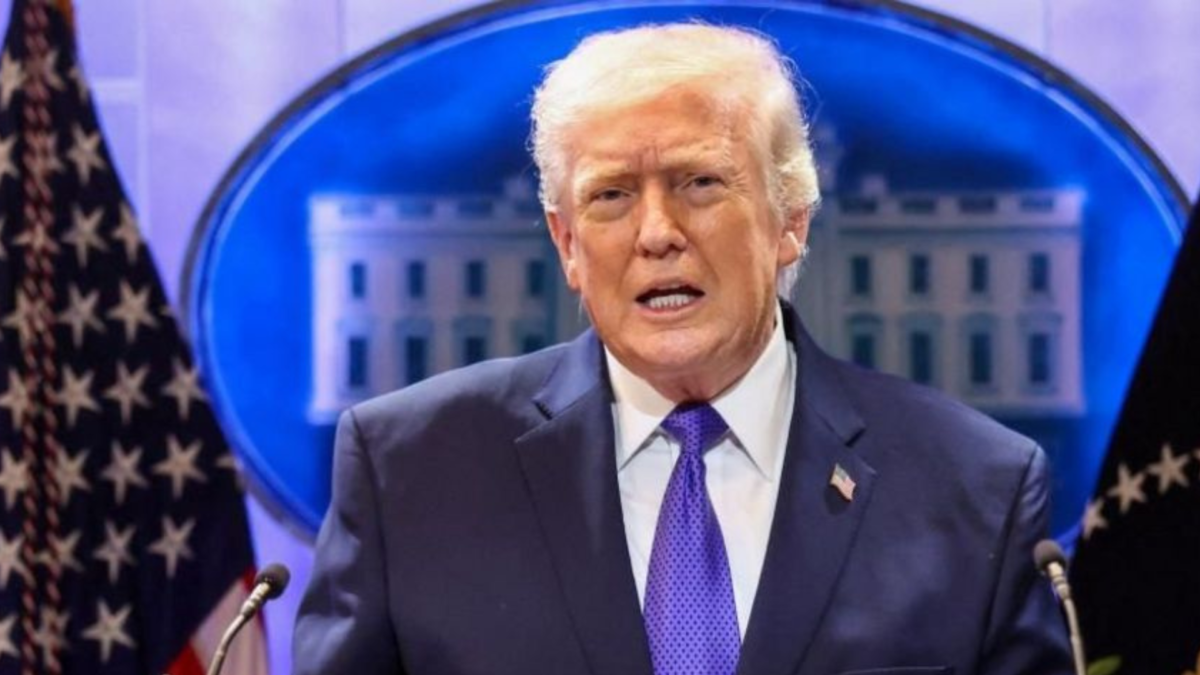
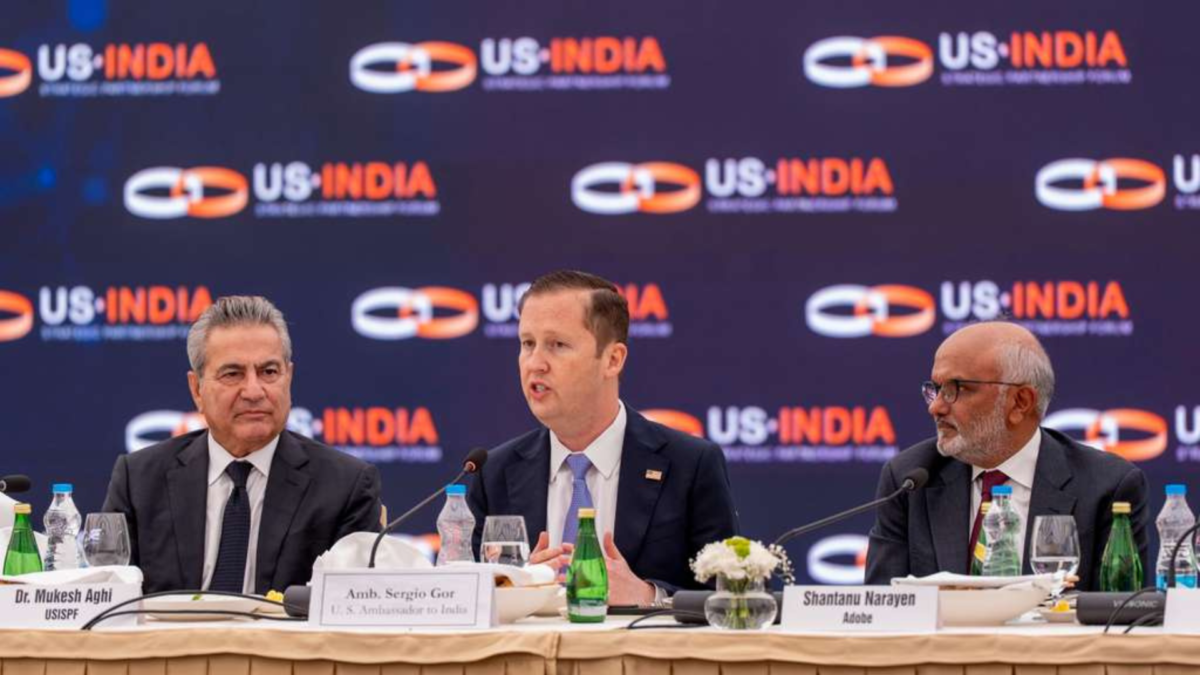

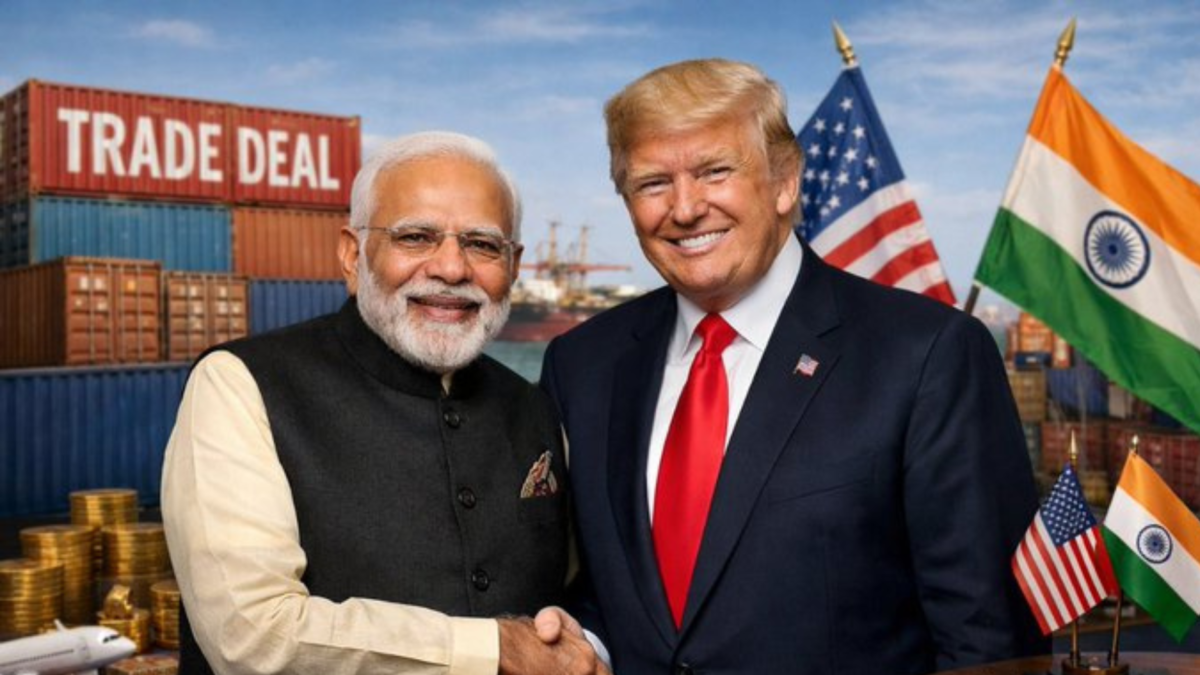
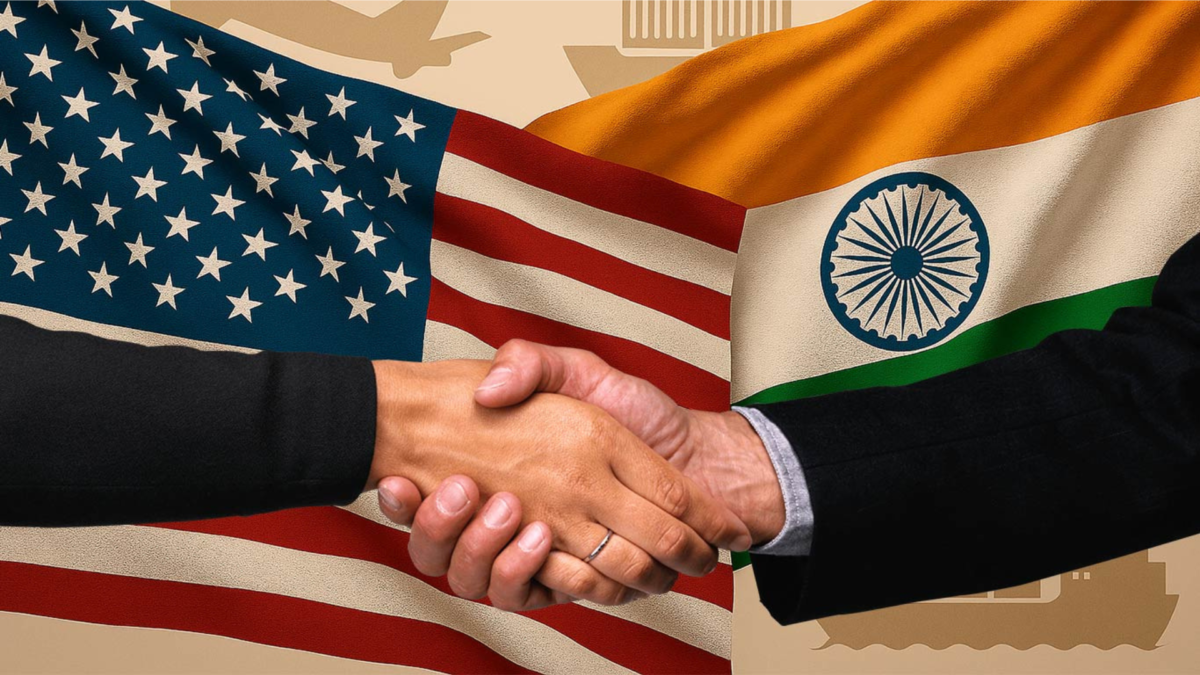
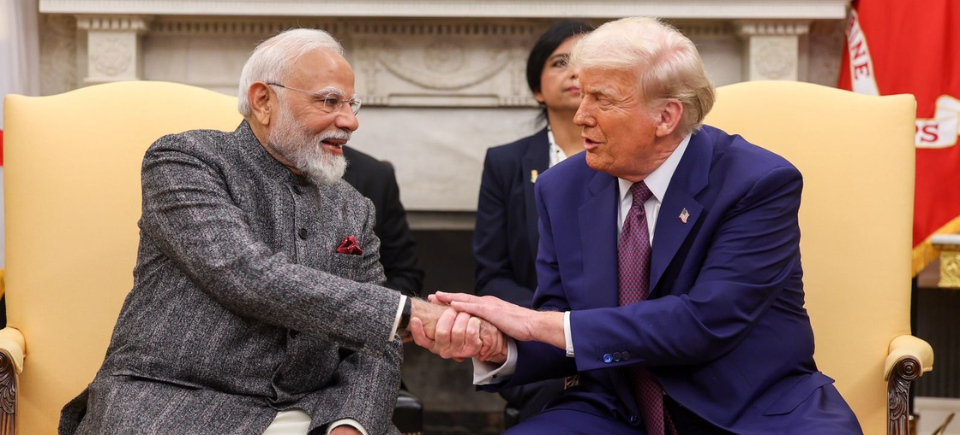
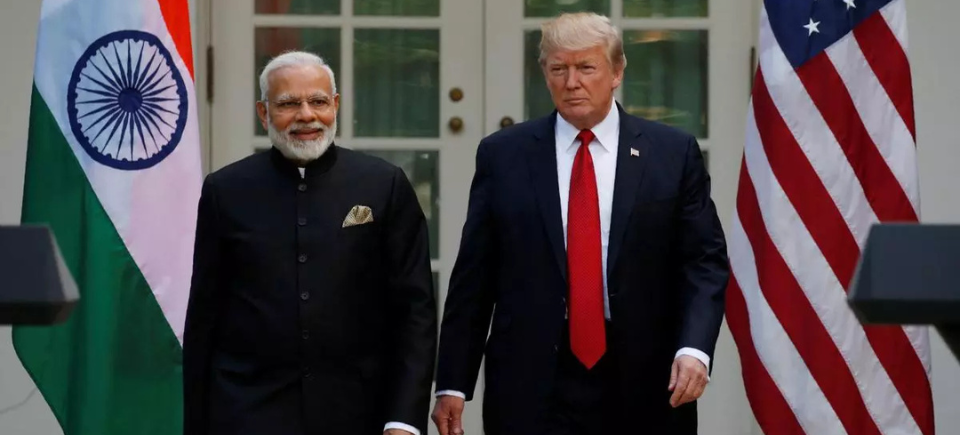
The US India Strategic Partnership Forum (USISPF) enthusiastically welcomes President Donald J. Trump’s announcement following his conversation with Prime Minister Narendra Modi, which reaffirms their shared commitment to deepen the U.S.–India economic partnership and advance a bilateral trade agreement.
The reduction of India’s reciprocal tariff from 25% to 18% marks an important and positive first step. While the agreement’s specifics are pending, today’s announcement signals strong political will on both sides to move toward a comprehensive U.S.–India Bilateral Trade Agreement (BTA) that addresses tariffs, market access, non-tariff barriers, and other trade-related issues across a wide range of sectors. A BTA between the two nations would deliver meaningful benefits for businesses, workers, and consumers in both countries, while strengthening supply chains and economic resilience.
Both governments have made clear that this is only the beginning, with additional phases and negotiations anticipated in the months ahead. USISPF is encouraged by the constructive momentum generated by this announcement and remains optimistic about the scope and ambition of what lies ahead.
USISPF reiterates its full commitment to working closely with both the Government of India and the U.S. Government to advance the shared objective of expanding bilateral trade toward the $500 billion target. A stronger U.S.–India trade and investment relationship is not only critical to both economies but also central to advancing a stable, resilient, and rules-based Indo-Pacific.
About the US-India Strategic Partnership Forum (USISPF):
The US-India Strategic Partnership Forum (USISPF) is committed to creating the most powerful partnership between the United States and India. As the only independent not-for-profit institution dedicated to strengthening the U.S.-India partnership in Washington, D.C., and in New Delhi, USISPF is the trusted partner for businesses, non-profit organizations, the diaspora, and the governments of India and the United States.
For media inquiries and further information, please contact:
Ankit Jain
ajain@staging.usispf.org +1 (224)460-7900
Akshobh Giridharadas
agiridharadas@staging.usispf.org
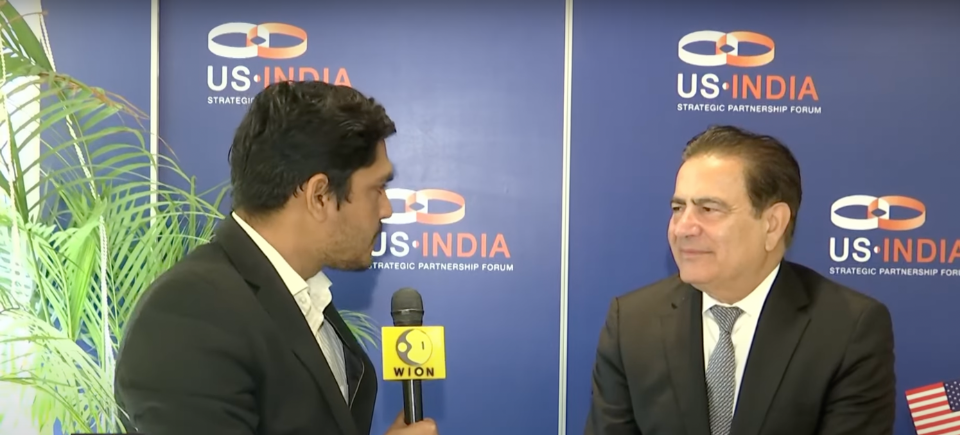
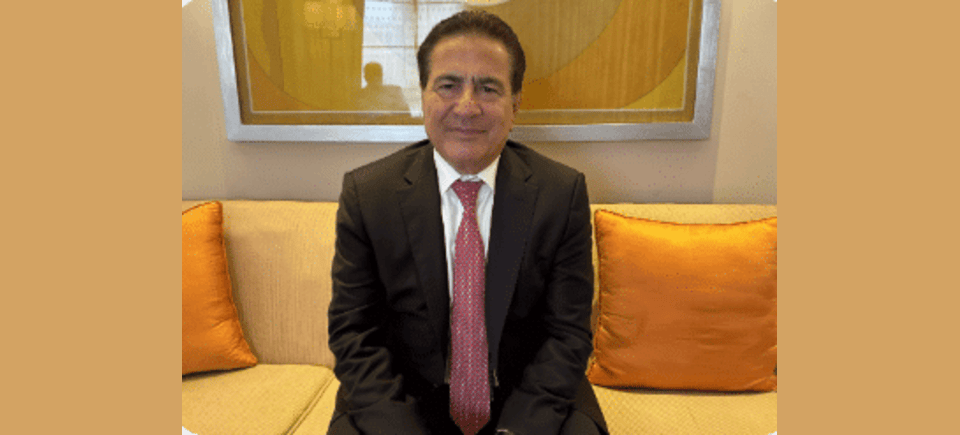
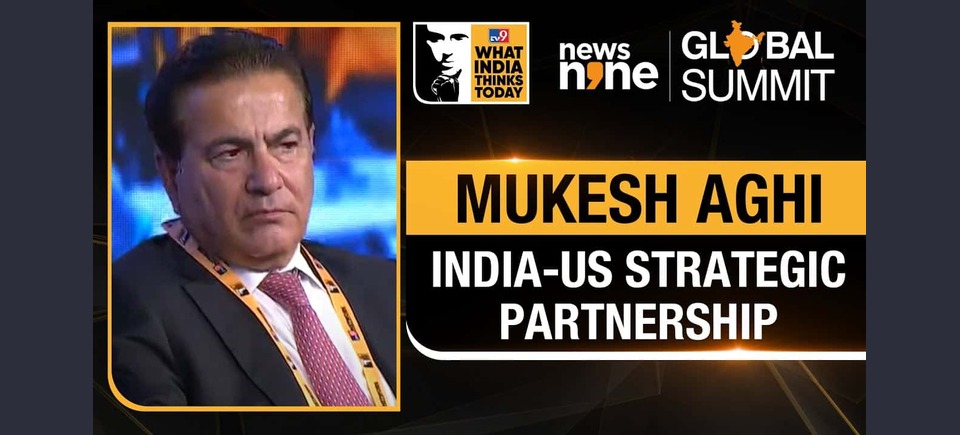

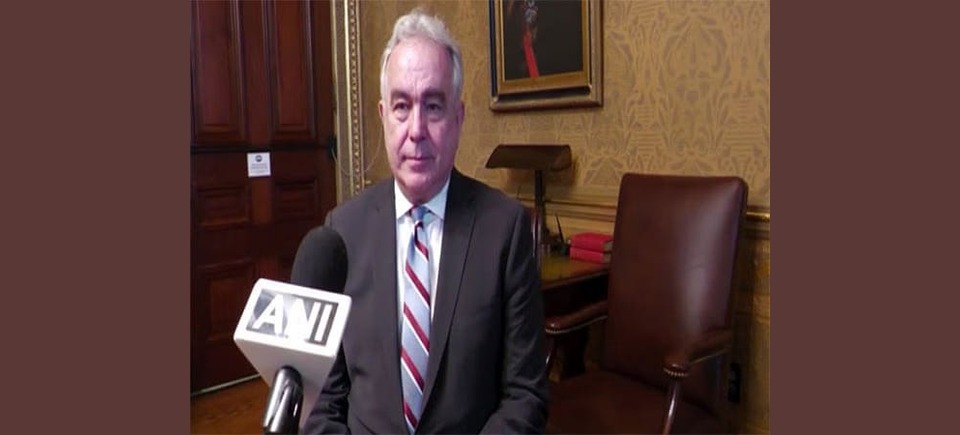



Washington [US], February 1 (ANI): Reacting to India’s Union Budget 2023-2024, the Chief Executive Officer (CEO) and President of the US-India Strategic Partnership Forum, Dr Mukesh Aghi said that it provides a roadmap for stability, growth and development.
In an official statement, he added how the seven priorities of the Union budget pave the way for growth and job creation for India.
“India’s Union Budget 2023-24 provides a roadmap for stability, growth and development. The 7 priorities and the economic agenda pave way for India @100 giving a strong impetus to growth, job creation and stabilising the macro economy amidst global headwinds,” Aghi said.
Finance Minister Sitharaman started her Budget speech at 11 am on Wednesday, the last full Budget of the Modi government in its second term. Like the previous two Union Budgets, Union Budget 2023-24 is also presented in paperless form.
This year’s Budget holds much significance as the country is scheduled to have the next Lok Sabha election in April-May 2024.
Highlighting how the Union Budget 2023 has taken into consideration the needs of all sectors of the economy, the USISPF CEO said, “The Union Budget 2023 has taken into consideration the needs of all sectors of the economy, reflecting the Indian Government’s commitment towards a prosperous and inclusive India. Increased government spending in critical areas of the economy such as agriculture, Green Energy & infrastructure, education and new age technology adoption are indeed welcome announcements towards India @100.”
The budget session of the Parliament began on Tuesday with President’s address, subsequently tabling the Economic Survey for 2022-23. The formal exercise to prepare the annual Budget for the next financial year (2023-24) commenced on October 10.
The Economic Survey, tabled in the Parliament on Tuesday, noted India’s GDP is expected to grow in the range of 6 to 6.8 per cent in the coming financial year 2023-24. This is in comparison to the estimated 7 per cent this fiscal and 8.7 per cent in 2021-22.
More information
https://www.aninews.in/news/world/us/union-budget-2023-is-a-roadmap-for-stability-growth-says-us-india-strategic-partnership-forum20230201232355/

The Union Budget presented by Finance Minister Nirmala Sitharaman provides a roadmap for stability, growth and development, the head of an American non-profit business advocacy and strategic partnership group that is centred towards India said Wednesday.
Mukesh Aghi, President and CEO of US India Strategic and Partnership Forum (USISPF) also said that the budget took into consideration the needs of all sectors of the economy, reflecting the Indian Government’s commitment towards a prosperous and inclusive India.
“India’s Union Budget 2023-24 provides a roadmap for stability, growth and development. The 7 priorities and the economic agenda paves way for India @100 giving a strong impetus to growth, job creation and stabilizing the macro economy amidst global headwinds,” said Aghi.
“The Union Budget 2023 has taken into consideration the needs of all sectors of the economy, reflecting the Indian Government’s commitment towards a prosperous and inclusive India. Increased government spending in critical areas of the economy such as agriculture, Green Energy & infrastructure, education and new age technology adoption are indeed welcome announcements towards India @100,” Aghi said.
Welcoming the proposed rationalisation of tax rates in the Union Budget, USISPF praised the concessional tax rate of 15 per cent for cooperative societies setting up manufacturing or production and increased threshold limits for presumptive taxation schemes.
It welcomed the proposal to introduce a new programme that will boost research and innovation in the pharmaceutical sector through centres of excellence. This will greatly encourage the industry to invest more in research and development, it said.
The budget brings in measures for improving ease of doing business, USISPF said as it welcomed the proposals of decriminalisation of certain offences under the Income Tax Act, use of PAN as a common identifier and extended incorporation dates for eligible startups claiming tax exemption.
More information
https://www.moneycontrol.com/news/business/budget/union-budget-2023-provides-roadmap-for-stability-growth-and-development-usispf-9986401.html/amp
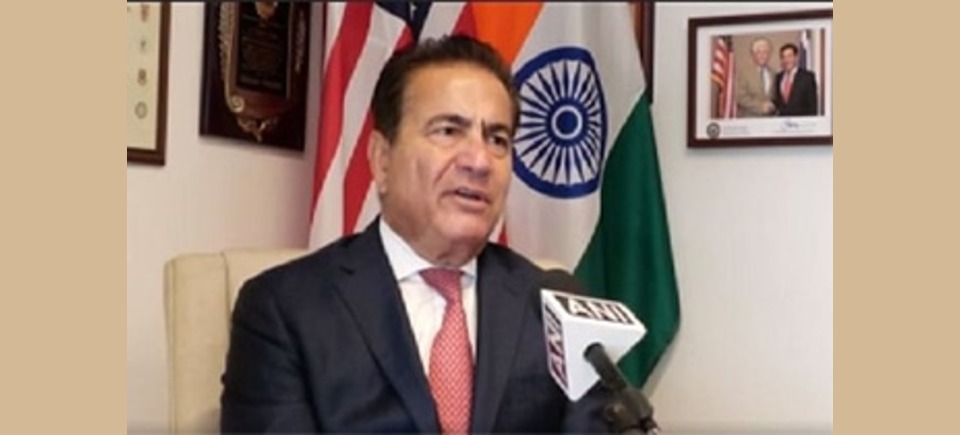
Reacting to India’s Union Budget 2023-2024, the Chief Executive Officer (CEO) and President of the US-India Strategic Partnership Forum, Dr Mukesh Aghi said that it provides a roadmap for stability, growth and development.
In an official statement, he added how the seven priorities of the Union budget pave the way for growth and job creation for India.
“India’s Union Budget 2023-24 provides a roadmap for stability, growth and development. The 7 priorities and the economic agenda pave way for India @100 giving a strong impetus to growth, job creation and stabilising the macro economy amidst global headwinds,” Aghi said.
Finance Minister Sitharaman started her Budget speech at 11 am on Wednesday, the last full Budget of the Modi government in its second term. Like the previous two Union Budgets, Union Budget 2023-24 is also presented in paperless form.
This year’s Budget holds much significance as the country is scheduled to have the next Lok Sabha election in April-May 2024.
Highlighting how the Union Budget 2023 has taken into consideration the needs of all sectors of the economy, the USISPF CEO said, “The Union Budget 2023 has taken into consideration the needs of all sectors of the economy, reflecting the Indian Government’s commitment towards a prosperous and inclusive India. Increased government spending in critical areas of the economy such as agriculture, Green Energy & infrastructure, education and new age technology adoption are indeed welcome announcements towards India @100.”
The budget session of the Parliament began on Tuesday with President’s address, subsequently tabling the Economic Survey for 2022-23. The formal exercise to prepare the annual Budget for the next financial year (2023-24) commenced on October 10.
The Economic Survey, tabled in the Parliament on Tuesday, noted India’s GDP is expected to grow in the range of 6 to 6.8 per cent in the coming financial year 2023-24. This is in comparison to the estimated 7 per cent this fiscal and 8.7 per cent in 2021-22.
More information
https://theprint.in/world/union-budget-2023-is-a-roadmap-for-stability-growth-says-us-india-strategic-partnership-forum/1348764/
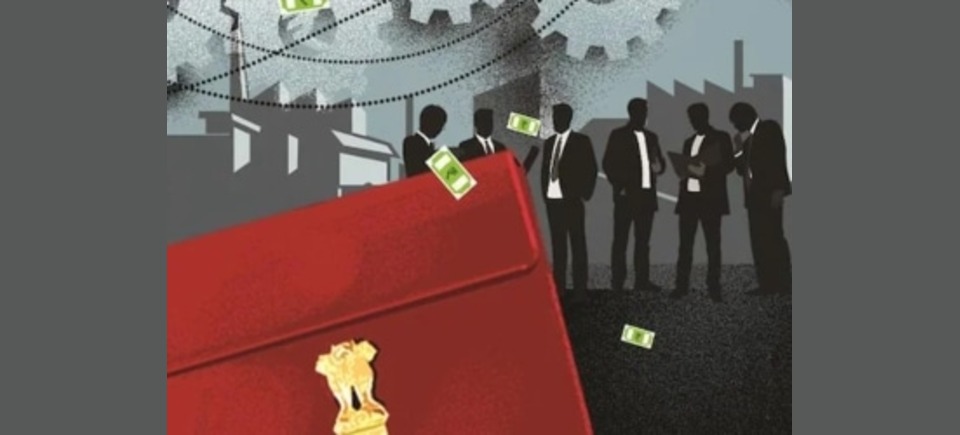
The Union Budget presented by Finance Minister Nirmala Sitharaman provides a roadmap for stability, growth and development, the head of an American non-profit business advocacy and strategic partnership group that is centred towards India said Wednesday.
Mukesh Aghi, President and CEO of US India Strategic and Partnership Forum (USISPF) also said that the budget took into consideration the needs of all sectors of the economy, reflecting the Indian Government’s commitment towards a prosperous and inclusive India.
India’s Union Budget 2023-24 provides a roadmap for stability, growth and development. The 7 priorities and the economic agenda paves way for India @100 giving a strong impetus to growth, job creation and stabilizing the macro economy amidst global headwinds,” said Aghi.
“The Union Budget 2023 has taken into consideration the needs of all sectors of the economy, reflecting the Indian Government’s commitment towards a prosperous and inclusive India. Increased government spending in critical areas of the economy such as agriculture, Green Energy & infrastructure, education and new age technology adoption are indeed welcome announcements towards India @100,” Aghi said.
Welcoming the proposed rationalisation of tax rates in the Union Budget, USISPF praised the concessional tax rate of 15 per cent for cooperative societies setting up manufacturing or production and increased threshold limits for presumptive taxation schemes.
It welcomed the proposal to introduce a new programme that will boost research and innovation in the pharmaceutical sector through centres of excellence. This will greatly encourage the industry to invest more in research and development, it said.
The budget brings in measures for improving ease of doing business, USISPF said as it welcomed the proposals of decriminalisation of certain offences under the Income Tax Act, use of PAN as a common identifier and extended incorporation dates for eligible startups claiming tax exemption.
More information
https://business-standard.com/article-amp/current-affairs/union-budget-provides-roadmap-for-stability-growth-and-development-usispf-123020101974_1.html

By Mukesh Aghi
U.S. President Joe Biden completed a year in office in January. After four years of the Trump administration, the Biden administration has reset U.S. foreign priorities to more global engagement with a sense of multilateral diplomacy, as evinced with Build Back Better World (B3W) initiatives at G7, a focus on strengthening transatlantic ties, prioritization of the climate action initiatives by rejoining the Paris climate Accords and reprioritizing the Joint Comprehensive Plan of Action (JCPOA), to get Iran back to the negotiating table.
Furthermore, the elephant in the room has been trade, as Biden’s predecessor preferred a more transactional approach to trade, whereas Biden prefers a more collaborative multilateral approach to trade.
Trade:
Though trade between India and the United States has not quite reached the level of a Free-Trade Agreement, the needle has been moved more closely towards an early harvest deal. As Minister for Trade and Commerce Piyush Goyal spoke about at USISPF’s Fourth Annual Leadership Summit, he is eyeing an ambitious bilateral trade target of a trillion dollars between India and the United States by 2030. Currently, that number is $150 billion.
In the first year, we’ve already seen some successes, such as the maiden visit to New Delhi by U.S. Trade Representative (USTR) Katherine Tai and Deputy U.S. Trade Representative Sarah Bianchi, who met with Minister Goyal to re-launch the Trade Policy Forum (TPF) after a hiatus of four years.
The devil may be in the details, and there are still several outstanding market issues to sort through, but soon following the TPF, The U.S. Food and Drug Administration (U.S.FDA) approved the import of mangoes and pomegranates from India and secured New Delhi’s approval to supply of cherries, alfalfa hay, pork, and pork products to India.
With the U.S. as India’s largest trade partner, we strongly believe there is potential for increased trade resulting from continued dialogue, in-person meetings and additional trade agreements.
Bilateral Discussions
Though mobility in the era of the pandemic has been limited to a virtual world with the constant threat of new variants, both representatives from Washington to New Delhi have continued to have in-person bilateral discussions emphasizing the commitment.
The inaugural Quad summit presented the chance of a first meeting between President Biden and Prime Minister Modi in Washington. Both Secretary of StateTonyBlinkenand his counterpart Foreign Minister S. Jaishankar have met each other repeatedly to discuss challenges pertaining from mitigating the spread of Covid to managing the fallout resulting from the U.S. withdrawal from Afghanistan and the regional security challenges it continues to present.
Few threats are larger than the threat of Climate Change, and India and United States continued to engage to face this challenge as President Biden appointed a Washingtonian veteran in former Secretary of State, John Kerry to be the climate czar.Special Presidential Envoy for Climate, Kerry, visited India and along with Minister Bhupendra Yadav launched the U.S.-India Climate Action and Finance Mobilization Dialogue.Washington and New Delhi also coalesced on pressing Climate Action agenda at COP26.
The conventional security front has seen Defense Secretary Lloyd Austin meet his counterpart Defence Minister Rajnath Singh early in 2021, and the two will meet shortly for the 2+2 dialogue in Washington. Just a few months before his untimely passing, even the late Chief of Defence Staff, General Bipin Rawat, made a trip to Washington to discuss bilateral defense cooperation with his counterpart, Chairman of the Joint Chiefs of Staff Army Gen. Mark A. Milley.
A focus on the Indo-Pacific and Quad
Since Biden’s inauguration, we’ve observed an increased focus on the Indo-Pacific and specifically a commitment to increased cooperation under the Quad, driving a shared vision of a free and open and inclusive Indo-Pacific region. This week, Secretary of State Antony Blinken will participate in yet another Quad meeting during Biden’s presidency— this time in Melbourne, Australia—along with his counterparts, the foreign ministers from Australia, Japan, and India. The meeting will focus on synergy on vaccines, climate, new resilient supply chains and emerging technologies, while working to preclude assertive forces in the region.
I am confident that President Biden will honor India with an exemption from the Countering American Adversaries Through Sanctions Act (CAATSA), as the strategic relationship between the two is far too important, and sanctions would never have the intended consequences and instead be a reset of the relationship, a price too high to pay, given the focus on the Indo-Pacific.
Since Biden took office, the Quad countries have participated in a joint naval exercise last year, a foreign ministers’ meeting, a virtual meeting, an ambassadorial meet, an in-person Quad summit, in addition to the upcoming meeting next week.
The Quad countries have formed working groups on Covid-19 vaccination development to ensure developing countries have access to the vaccines, increased cooperation on technology and clean energy, all with the intention of promoting a free and open Indo-Pacific. After a virtual meeting in March 2021 and the first in person Quad Leaders’ Summit hosted by President Biden with the respective heads of state in September 2021.Looking ahead there will be a foreign minister’s meeting and an in-person heads of state summit expected later this year, in Japan, with new Prime Minister Fumio Kishida playing host, it’s clear that the Biden Administration is committed to ensuring that the Quad partnership is taken seriously in order to produce the cooperation necessary to build a stronger Indo-Pacific region.
Overall, the partnership has deepened during President Biden’s first year in office. We saw immediate support from the U.S. during India’s devastating second wave of Covid-19 in March 2021, and India has been quick to collaborate with the U.S. on vaccine production and medical supplies. The Quad has been reinvigorated, and bilateral trade has increased. Defense and security collaboration remains strong. With continued attention and investment of time and resources into this relationship, we believe it will only continue growing strong, having the potential to reach a new chapter of enduring success.
More information
https://www.financialexpress.com/world-news/bidens-one-year-presents-increased-engagement-with-india-in-trade-and-in-the-indo-pacific/2430461/

By Mukesh Aghi
Russia’s build up on the border with Ukraine, has had the administration in Washington worried. The chatter became louder last week when India abstained from the UN Security Council to discuss the escalating tensions on the Russia-Ukraine border.
Russia and China (permanent veto members) voted against the meeting. At the same time, India abstained along with the African nations of Gabon and Kenya. The other council members (Norway, France, the US, the UK, Ireland, Brazil, and Mexico) voted for the meeting.
As President and CEO of the US-India Strategic Partnership Forum (USISPF), an independent not-for-profit headquartered in Washington DC, with the mission to strengthen the partnership between the two democracies, I find the need to put some thoughts on the table.
At the outset, I would like to record that we at USISPF welcomed Ned Price’s comments, the State Department spokesperson when he articulated that “relationship with India that stands on its own merits” and won’t be impacted due to the tension with Russia over the Ukraine crisis.
The Biden administration understands that India’s position on Ukraine in the United Nations Security Council is a matter of India’s own foreign policy priorities. Hence, Price added, “I will leave it to our Indian partners to discuss their stance in the UN Security on this particular issue.
Why would India Abstain?
India’s Abstention is more significant than not wanting to get involved in a conflict many miles away. It will likely be seen as synonymous with India’s diplomatic posture on the world stage, primarily driven by a sense of strategic autonomy emanating from its non-aligned posture during the Cold War era. New Delhi’s strategic autonomy is a sense of its independent long-term foreign policy based on a multipolar world. Even though ties between Washington and New Delhi have grown on defense, trade, and diaspora relations, India still maintains a legacy era special friendship with Moscow.
Even since the dissolution of the Soviet Union, India’s trade with Russia, especially in defense, has only decreased and now stands at nearly 50 percent and as high as 56 per cent of India’s total arms imports between 2015 and 2019. But still, Russia continues to be India’s foremost defense supplier, followed by France, Israel, and the United States.
Moscow is pivotal to India’s supply of the S-400s missile defense system, which India needs to counter an expansionist China, with aspirations to spread its sphere of influence in Asia and with whom India shares a near-3500 km of undefined border, some of it known as the Line of Actual Control (LAC). It is important to note that Washington DC never offered New Delhi the Patriot missiles, which are closest to the S-400 missile system. Furthermore, unlike Turkey, whose name comes up every time we talk about S-400, India isn’t a NATO signatory and doesn’t have the same obligations as Ankara.
Though India isn’t in any formal alliance with either the U.S. or Russia, it has been clear about maintaining its strategic engagement with Moscow and Washington. We saw this in the recently concluded first 2+2 Foreign and Defense Ministers meeting between New Delhi and Moscow, a trend of successful summits India has successfully followed with the US.
It is vital that the larger framework of the US-India strategic partnership is not viewed when either partner exercises its strategic autonomy to choose the path best for its interest. The sacrosanctity in the US-India partnership allows each partner to exercise their strategic independence and for the other to respect that independent foreign policy, as manifested in Afghanistan, with the US withdrawal from its longest conflict.
Both the United States and India have shared strategic interests in Indo-Pacific and are concerned about Beijing’s sphere of influence. President Bush signed the Civil-Nuclear deal recognizing India’s importance as a strategic partner. President Obama pivoted to Asia, President Trump’s administration used the term Indo-Pacific to describe the region, and President Biden put the Quad into motion.
Since President Biden took office, we have seen concrete steps to operationalize the Quad through collaboration in shared priorities in vaccine diplomacy, resilient supply chains, critical and emerging technologies, STEM-based education, and climate action. The initial success of this framework has also paved the way for the “Middle East Quad” between US, India, UAE, and Israel. The introduction of an AUKUS trilateral accentuates a direct security component in the region, though India is not a part of it.
Next week, the Quad Foreign Ministers meeting takes place between February 9-12 in Melbourne, Australia. While neither Russia nor Ukraine is part of the Indo-Pacific, their presence will be felt in the room and will distract the United States.
Hence the strategic imperative of staying focused is critical. The focus on the Indo-Pacific must not wane. The clarion call is simple, the theatre of convergence of shared interests with the fastest-growing markets remaining in the Indo-Pacific and the importance of the US-India partnership in maintaining prosperity and stability in the region.
Source: Twitter
Source Link: https://twitter.com/ETNOWlive/status/1230514907931529216