

News Month: January

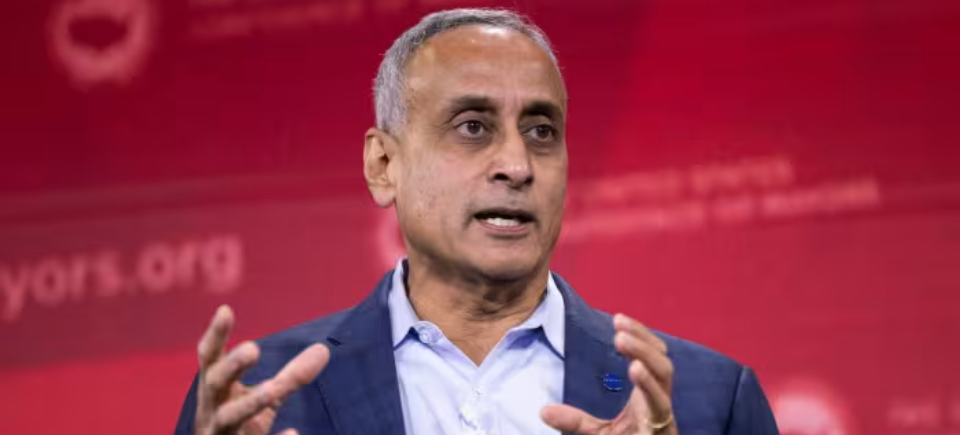


Washington, Jan 26 (PTI) India’s Ambassador to the US Taranjit Singh Sandhu has been one of the leading architects of the flourishing India-US relationship, the chief of a top India-centric American business and advocacy group has said.
In his remarks at a farewell reception hosted in honour of the outgoing Indian envoy here on Thursday, Mukesh Aghi, the president and CEO of US-India Strategic and Partnership Forum (USISPF), said Sandhu’s resume of achievements remains long and impressive.
“Ambassador Sandhu has been one of the leading architects of this relationship, which stands at its apex from the deep synergy in clean energy, education partnership, space collaboration, defence, and technology ties,” said at the farewell organised by the USISPF.
Sandhu, 61, retires from the foreign service after 35 years of diplomatic career this month.
However, when Ambassador Sandhu took the helm in Washington in February 2020, ominous times were about to upend the economies and suspend daily lives, Aghi said, adding that a cataclysmic pandemic meant new challenges even for a veteran diplomat.
Sandhu steered through COVID-19, helping Indian students return home, working through visa backlogs for the diaspora, and strengthening vaccine diplomacy between the two countries.
“A post-Covid-era saw the onset of Ambassador Sandhu helping lead the first in-principal Quad Summit in Washington, the restart of the Trade Policy Forum, and then the onset of the I2U2, IPEF, consolidating bilateral ties in multilateral settings,” he said.
The I2U2 is a grouping of Israel, India, the United Arab Emirates and the United States to deepen technological and private sector collaboration in the region and tackle transnational challenges in six focus areas: water, energy, transportation, space, health and food security.
The United States launched the Indo-Pacific Economic Framework for Prosperity (IPEF) along with countries like India, Australia, Indonesia, Japan, the Philippines, Singapore, Thailand, and Vietnam to advance resilience, sustainability, inclusiveness, economic growth, fairness, and competitiveness for participant economies.
“Today, the Indo-Pacific is a priority as Ambassador Sandhu has overseen new defence partnerships, from iCET to INDUS-X, to drone transfers to jet engine manufacturing deals, from semiconductors to supply chains, ushering in a new chapter in critical technology,” Aghi said.
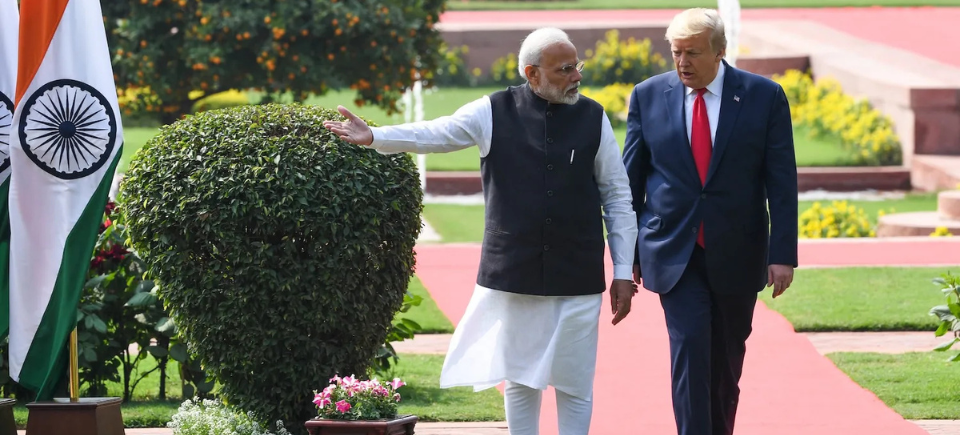
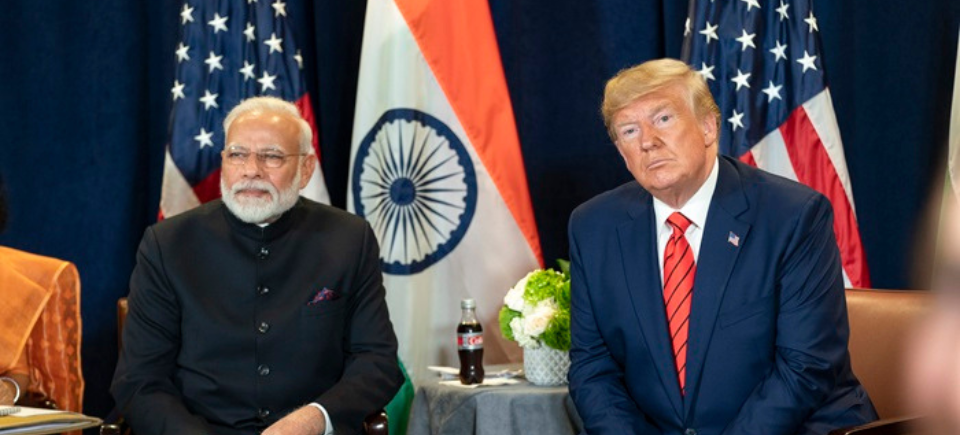
The highlights of Sandhu’s tenure, he said, would be the historic state visit of Prime Minister Narendra Modi and President Joe Biden’s first visit to India as Commander-in-chief for a momentous G20 summit, and also organising former president Donald Trump’s maiden visit to the country.
However, one must remember that the relationship was not always smooth sailing, he noted.
“Sandhu’s perspicacity was evinced early on, during his first Washington stint as the First Secretary (Political) as he formed crucial relations on Capitol Hill, with both Democrat and Republican lawmakers, during a time of sanctions from the Clinton Administration,” he said.
“Today, the relationship is truly bipartisan, and the India Caucus and the Samosa Caucus, are in deep admiration of Ambassador Sandhu’s diplomatic efforts to steer the relationship from choppy waters then to the pristine seas now,” Aghi said.
His second stint in Washington was as second in command to S Jaishankar, as then DCM Sandhu and Ambassador Jaishankar, wrote the beginning chapters of Prime Minister Modi’s engagement with the United States, he noted.
“But more important than the dossiers, visits, and agreements, have been the intangible bonds of friendship that Ambassador Sandhu has forged with the diaspora. From young students to veteran business leaders, from entrepreneurs to titans, from cultural communities and caucuses, the diaspora across the US has at least one Ambassador Sandhu story,” he said.
“Historians will note that he changed the nature of the relationship, forged new connections, strengthened the strategic partnership, and above all remained affable and humble in challenging and celebratory times,” Aghi said.
Ashley Tellis, a top American expert on India, in his remarks, said that Sandhu has been an insidious contributor to this relationship because he understood right from the beginning how important this partnership is for the future of both countries.
“In his last tenure here in Washington, he had to deal with a very complex environment in terms of our bilateral relationship. But the fact that we have still managed to stay the course and move this relationship ever upward is a great tribute to you, Taranjit,” Tellis said.
Eminent Indian American defence expert Vikram Singh said Sandhu has been a steward of this relationship for an entire generation. “For those of us who have been involved, it’s been one of the best parts of our jobs trying to advance this relationship to have you as our partner. You are sought, kind of irreplaceable because you have this long span of history of the period of growth, dynamism, and transformation of the US-India partnership,” Singh said.
In his remarks, Sandhu recollected the words of Prime Minister Modi at an event hosted by USISPF in the city in which he said that the US-India partnership is not just for convenience, but for conviction, compassion and of shared commitment for a better future. “So our relationship touches the people. It is for development,” Sandhu said.
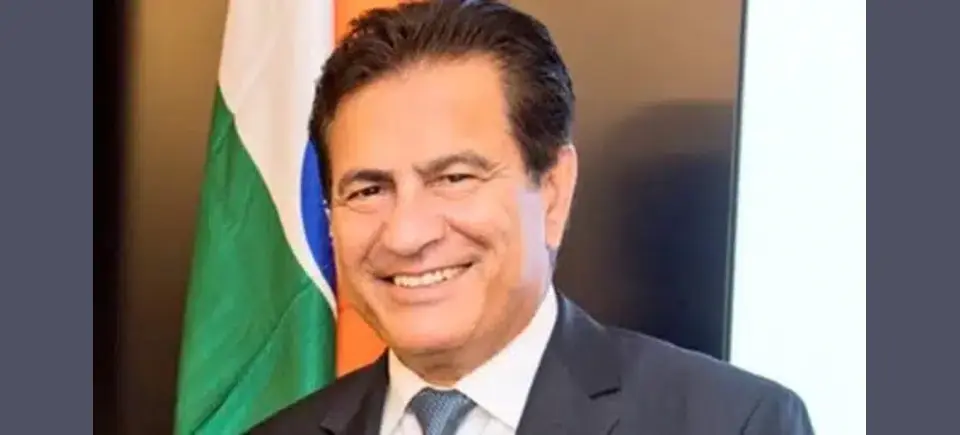
On the much anticipated electric vehicle (EV) major Tesla’s entry into India, Aghi, who was in India briefly to participate in the Vibrant Gujarat Summit recently, said that there is no discussion on the same as Tesla is awaiting India’s EV policy and that the company’s entry would involve a strong chip manufacturing ecosystem and not just a battery ecosystem. Edited excerpts:
India and the United States (US) have sandboxed the controversy around the alleged plot to assassinate Khalistan separatist Gurpatwant Singh Pannun as both countries are geopolitically aligned — with most US firms such as Apple Inc looking at India to de-risk their supply chain, Mukesh Aghi, President and Chief Executive Officer of the US-India Strategic Partnership Forum told Divya A and Ravi Dutta Mishra.
On the much anticipated electric vehicle (EV) major Tesla’s entry into India, Aghi, who was in India briefly to participate in the Vibrant Gujarat Summit recently, said that there is no discussion on the same as Tesla is awaiting India’s EV policy and that the company’s entry would involve a strong chip manufacturing ecosystem and not just a battery ecosystem. Edited excerpts:
Click Here for More.
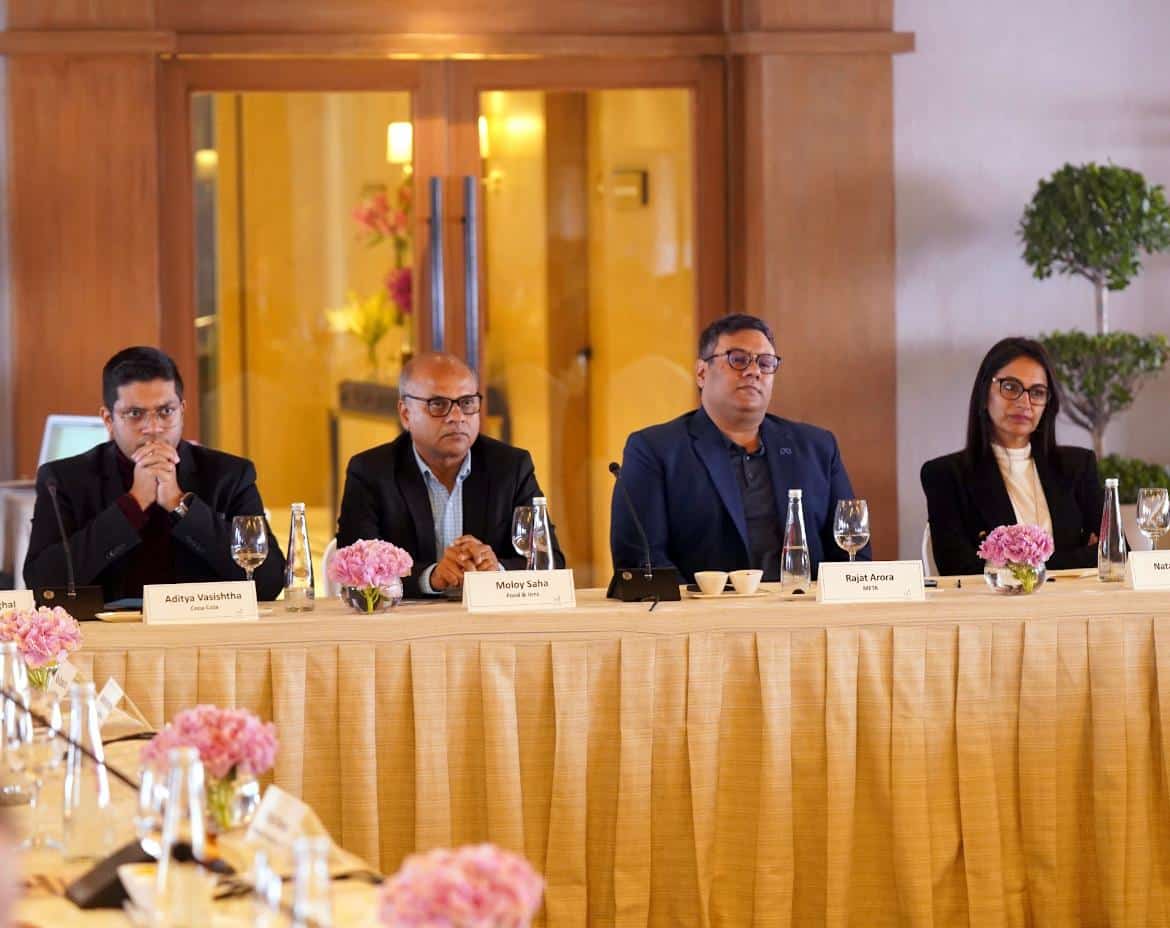
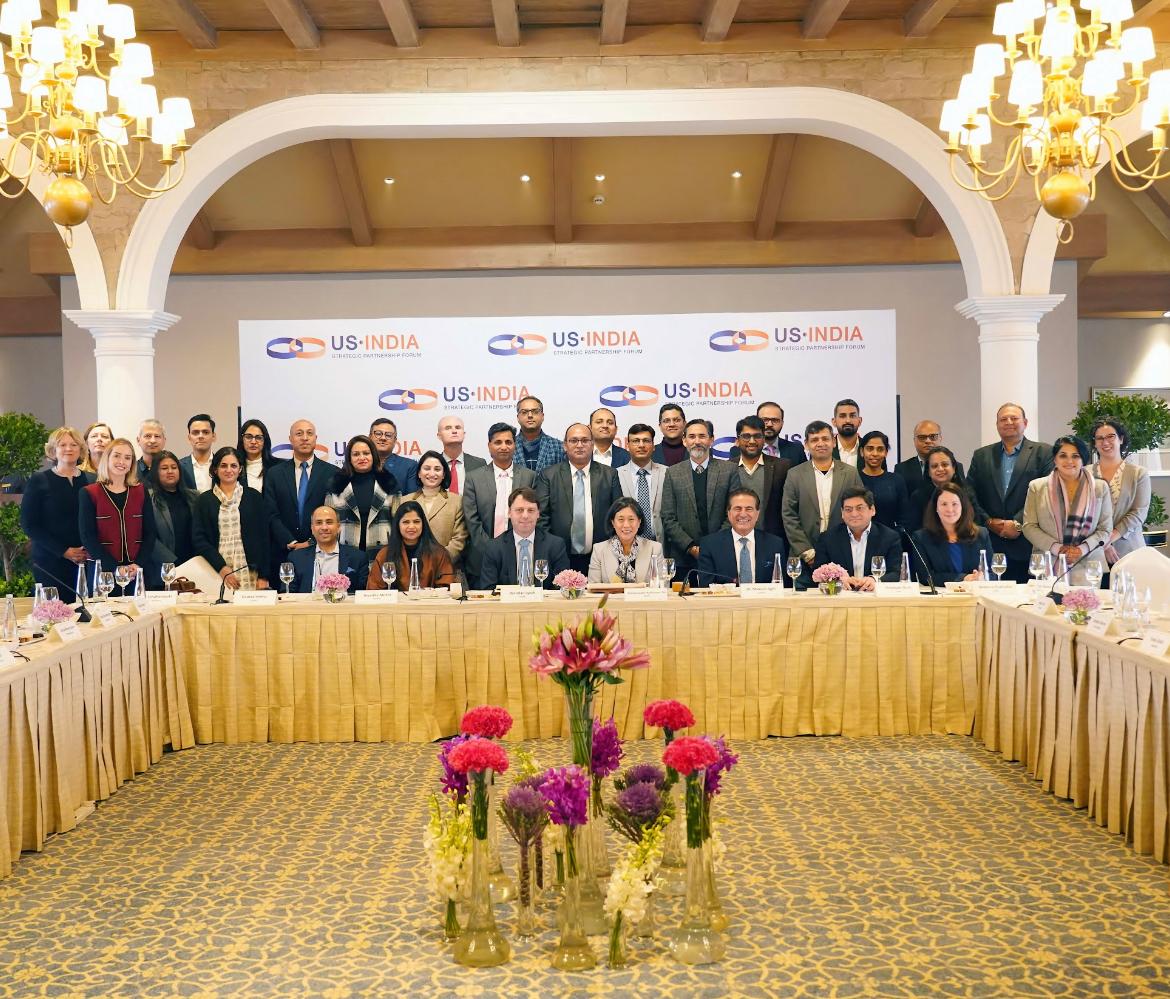
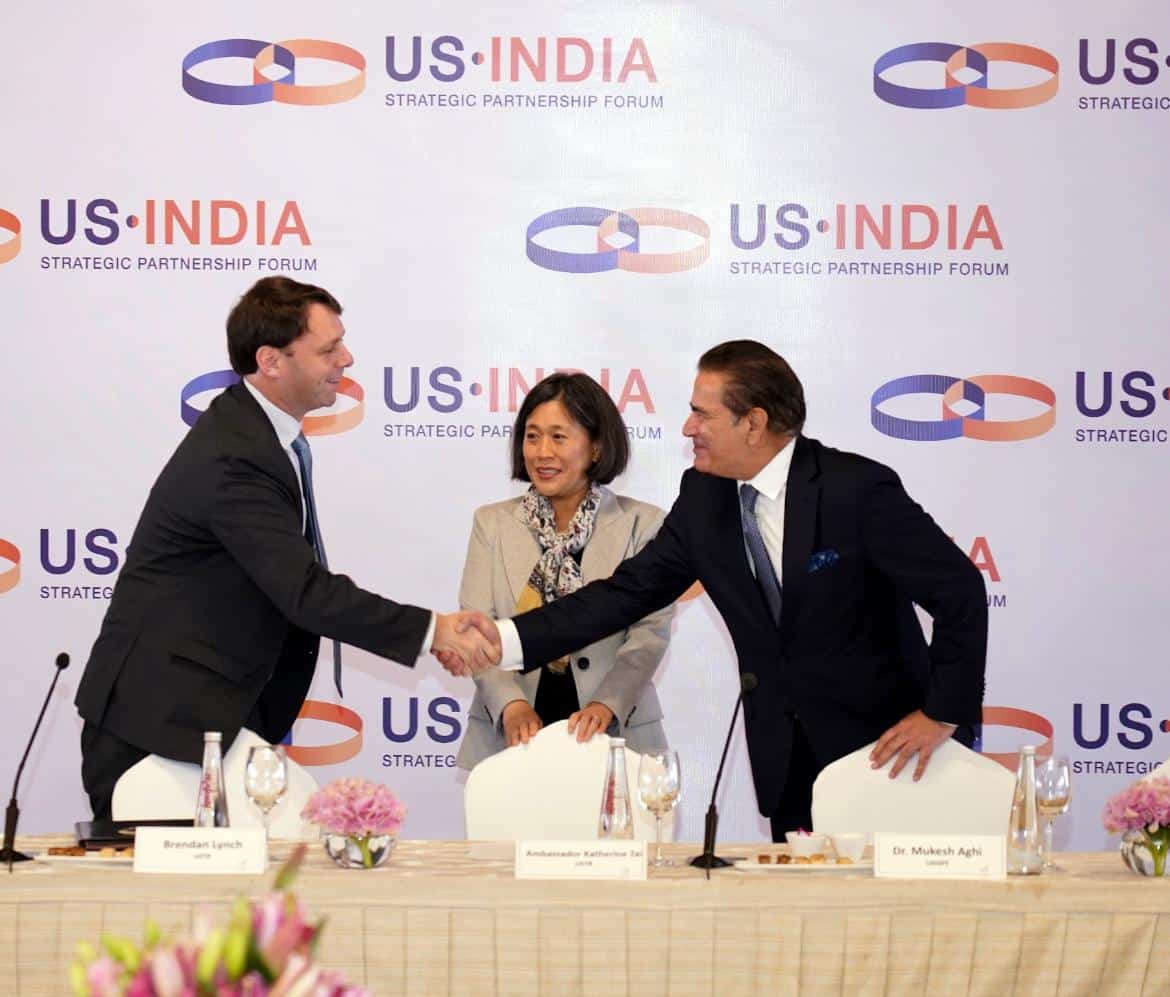
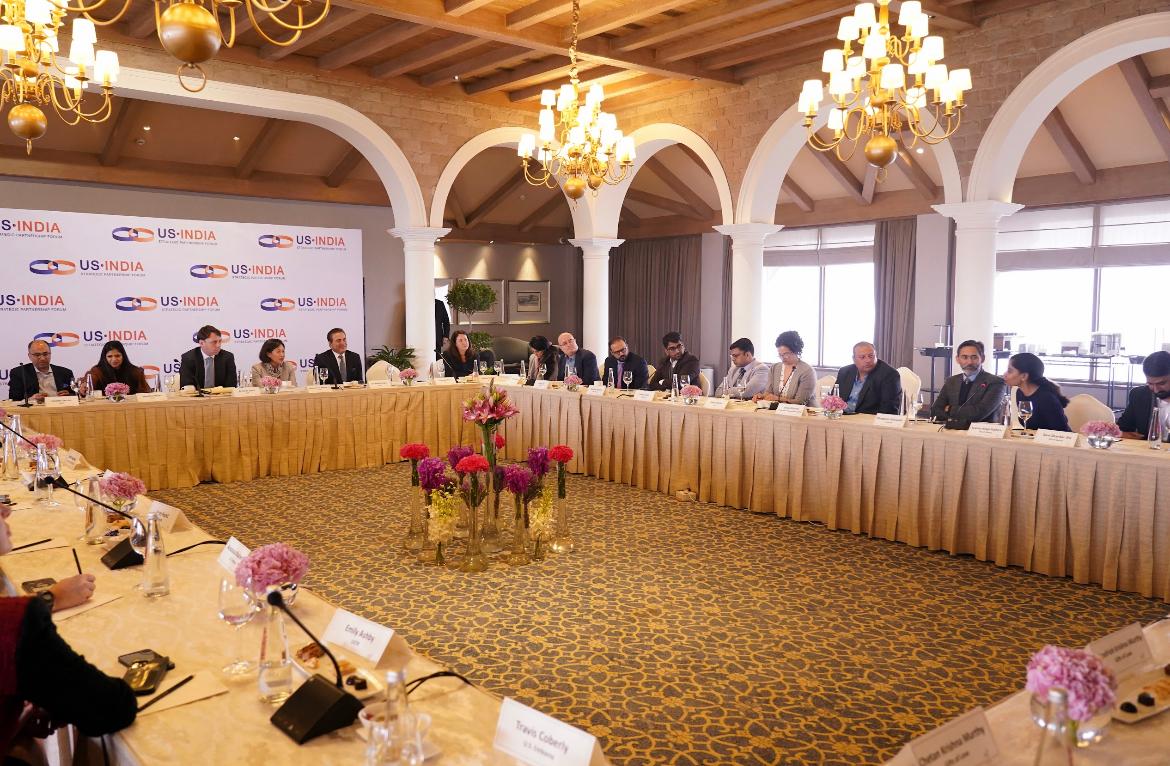
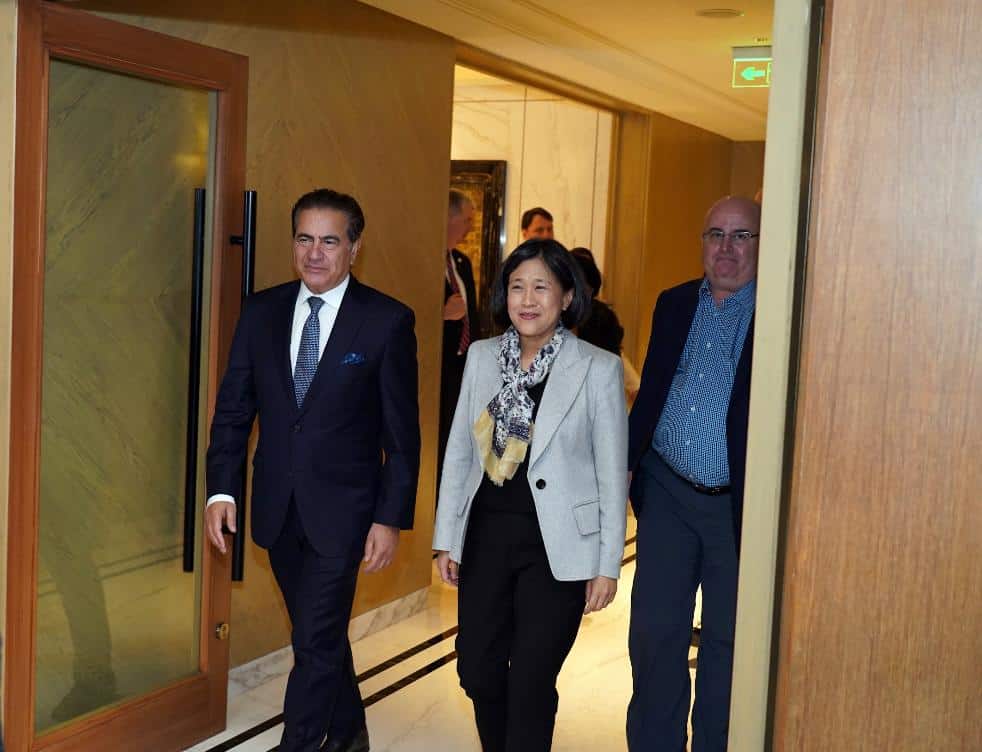
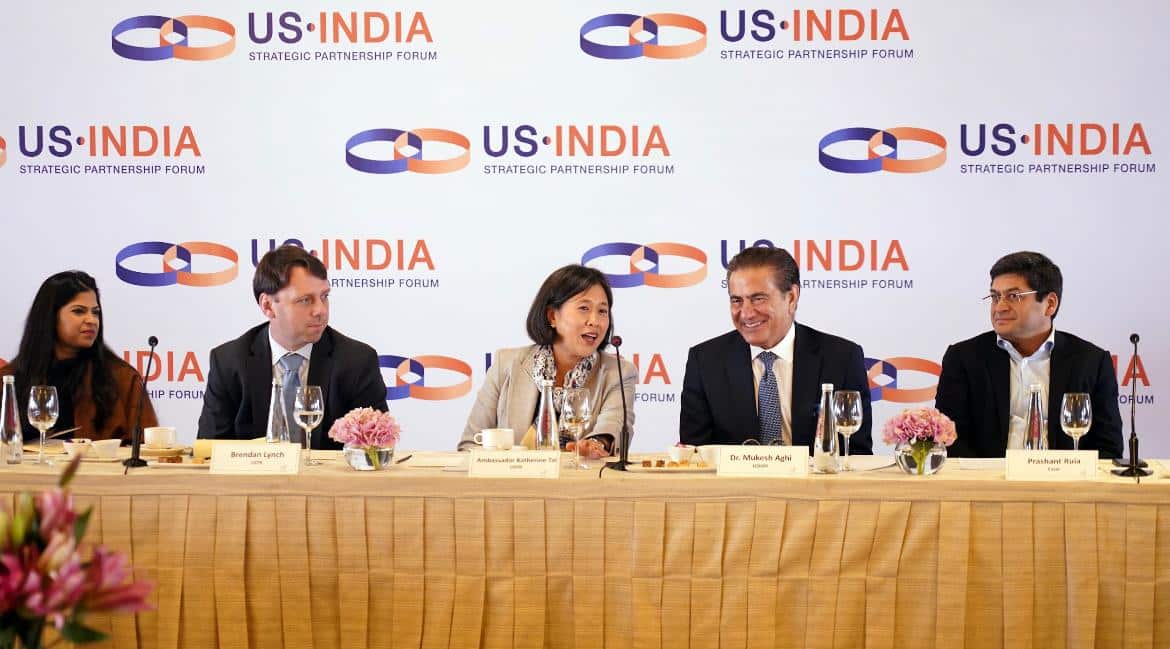
The U.S.-India Strategic Partnership Forum (USISPF) hosted a closed door roundtable discussion featuring Ambassador Katherine Tai, providing a platform for member companies specializing in collaborations with small and medium-sized enterprises (SMEs). Notable participants included public policy professionals from industry leaders such as Amazon, Meta, Coca-Cola, WinzO Games, JCI, Amway, T-Second, and Educational Testing Services (ETS), along with representatives from their affiliated SMEs.
These companies showcased programs tailored to cater to the unique needs of the SME community. Some participants presented initiatives directly supporting SMEs, while others emphasized their extensive networks and mentorship programs designed to empower SMEs within distinct industry ecosystems.
The roundtable, enriched by the presence of prominent women leaders and entrepreneurs such as Ms. Saumya Rathore (Co-Founder, WinzO Games), Ms. Hoofrish Krishnamurthy (Co- Founder, Gifts of Love), and Ms. Natasha Jog (Head of Public Policy, Instagram), underscored the evolving role of women in the Indian SME ecosystem. The discussion highlighted the significant contributions of women leaders in driving innovation, job creation, and fostering diversity, thereby shaping a more inclusive and dynamic business environment.
Throughout the dialogue with Ambassador Tai, the discussions delved into the evolving needs of SMEs, including startups, and the inherent challenges associated with entering new markets and participating in global trade. The collaborative discourse shed light on innovative approaches and programs implemented by member companies to support SMEs and startups.
The session also explored potential initiatives and policy changes related to U.S. government assistance to Micro, Small, and Medium Enterprises (MSMEs) in India, spearheaded by Ambassador Katherine Tai. The focus was on fostering collaboration between MSMEs and addressing key challenges in the dynamic landscape of global trade.



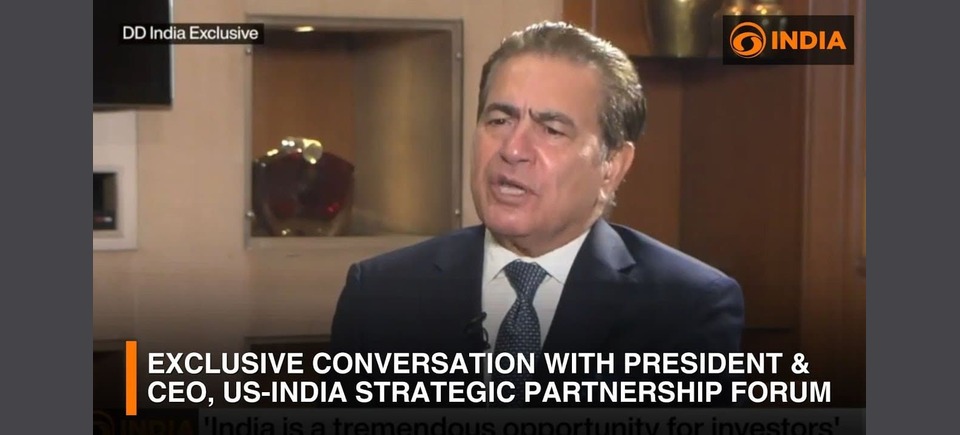
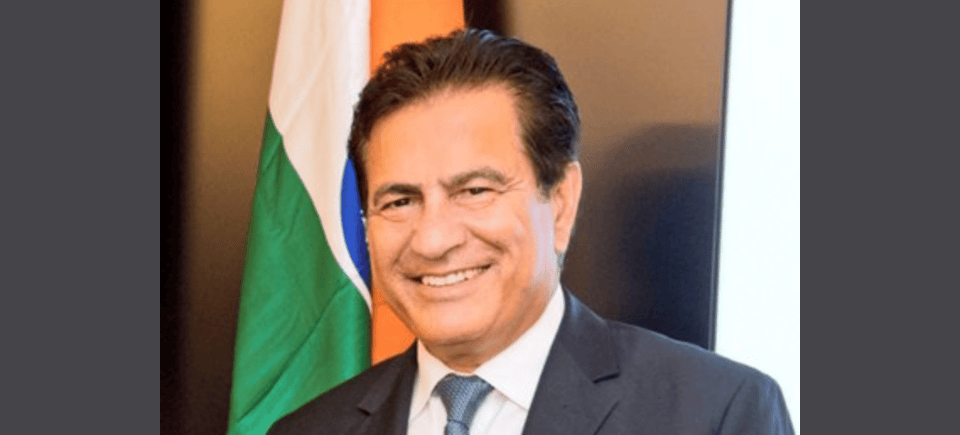
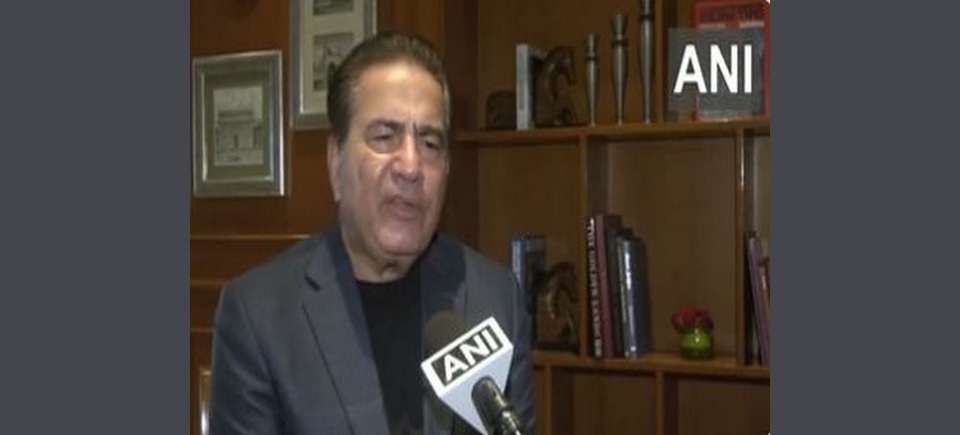

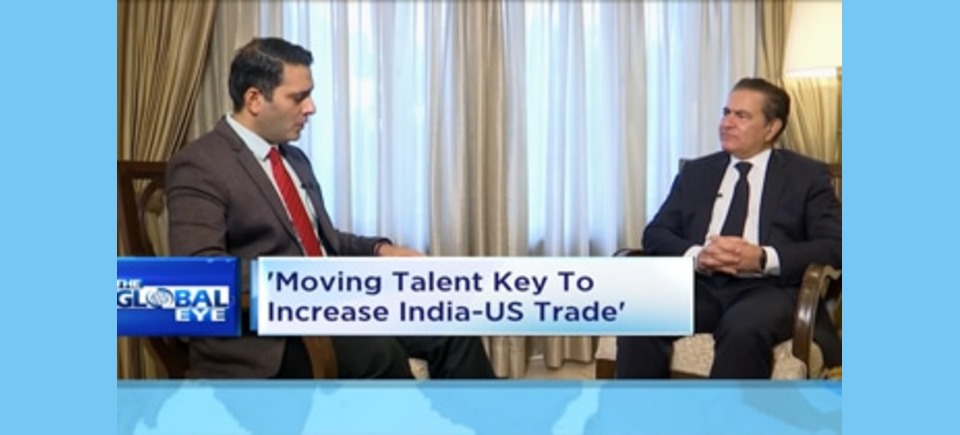



The US-India Strategic Partnership Forum (USISPF) on Tuesday announced its association as a partner organisation with the Vibrant Gujarat Global Summit 2024 from January 10th to 12th, 2024, in Gandhinagar.
“USISPF is honoured to lead a delegation comprising over 35 Fortune American companies, including Salesforce, Abbott, Blackstone, HSBC, UPS, Micron, Cisco, SHRM, and others. These companies also have plans to increase their investments in Gujarat. The delegation will be led by Lal Karsanbhai, President and CEO of Emerson, and co-led by USISPF President & CEO Dr. Mukesh Aghi,” the USIPF stated in an official release.
At the summit, the focus areas will include leveraging India’s burgeoning momentum in the hi-tech manufacturing space, particularly in avenues of semiconductors and chip manufacturing, as well as critical areas of the energy transition, chemicals and industrial manufacturing, aerospace, and defence.
“The companies are also eagerly exploring opportunities to build on the flagship Gujarat International Finance Tec-Cit (GIFT) City’s economic landscape,” the release added.
As part of the engagement at the summit, USISPF will host two insightful panel discussions on January 11 on the themes of the US-India Innovation Handshake and US-India Partnership.
In the US-India Innovation Handshake, the USISPF will focus on accelerating the Start-Up Ecosystem in partnership with iCreate, this panel will explore avenues to catalyse innovation and foster collaboration in the vibrant start-up ecosystem of both countries.
Additionally, under the US-India Partnership theme, the USISPF will explore Opportunities for Manufacturing and Global Value Chains. This panel will delve into the vast opportunities for collaboration in manufacturing and global value chains, showcasing the potential for growth and mutual benefit.
The president and CEO of USISPF, Mukesh Aghi, said, “It’s wonderful to be back in Gujarat and an honour for us at USISPF to lead a delegation of American companies to invest and contribute to the development of Gujarat, a state with a strong entrepreneurial spirit. Vibrant Gujarat Summit is a flagship program of the Government of Gujarat, and an investor summit whose success was personally spearheaded by Prime Minister Modi during his Chief Ministerial days and it’s commendable how far the summit has come in little over two decades.”
“The tenth edition accentuates the development and socio-economic growth in the western Indian state that epitomizes India’s entrepreneurial spirit and can-do attitude. Today, India is the fifth-largest economy and the fastest-growing major economy in the world, as investors remain optimistic about India’s growth at a time of global headwinds and de-risking supply chains,” he added.
The president and CEO of Emerson, Lal Karsanbhai, said, “I am honored to lead this distinguished delegation from the United States to the Vibrant Gujarat summit. Gujarat has emerged as a beacon of economic growth and innovation, and it is a privilege to witness first-hand the collaborative opportunities that exist between our nations. As we engage in discussions and explore partnerships, we look forward to fostering stronger ties that will not only benefit our businesses but also contribute to the global economic landscape.”
The participation of American companies will strengthen economic cooperation with the state of Gujarat and further deepen the US-India strategic and bilateral partnership.
The US-India Strategic Partnership Forum (USISPF), formed in 2017, is an independent non-profit, non-governmental, and non-partisan organization headquartered in Washington, D.C., with offices across both countries. Through its network of 400+ global companies, USISPF bridges the gap between business and government and fosters closer public-private sector partnerships across all facets of the economy and society in the United States and India.
The Vibrant Gujarat Global Summit was started in 2003 when he was the state’s chief minister.
The tenth edition of the Vibrant Gujarat Global Summit will be held from January 10 to 12. The theme for this year’s event is ‘Gateway to the Future’. The summit will celebrate ’20 Years of Vibrant Gujarat as the Summit of Success’.
The event, this year, will feature 34 partner countries and 16 partner organisations. The Ministry of Development of the North-Eastern Region will also utilise the Vibrant Gujarat platform to showcase investment opportunities in the Northeast.
The summit will feature various events including seminars and conferences on globally relevant topics such as Industry 4.0, Technology and Innovation, Sustainable Manufacturing, Green Hydrogen, Electric Mobility and Renewable Energy and Transition towards Sustainability.
In the Vibrant Gujarat Global Trade Show, which kicked off in the state capital on Tuesday, a range of products equipped with world-class, state-of-the-art technology are being showcased. E-mobility, startups, MSMEs, Blue Economy, Green Energy and Smart Infrastructure are some of the focus sectors of the Trade Show.
Earlier, on December 1, PM Modi met the UAE President on the sidelines of the COP-28 Summit and invited him to the Vibrant Gujarat Summit.
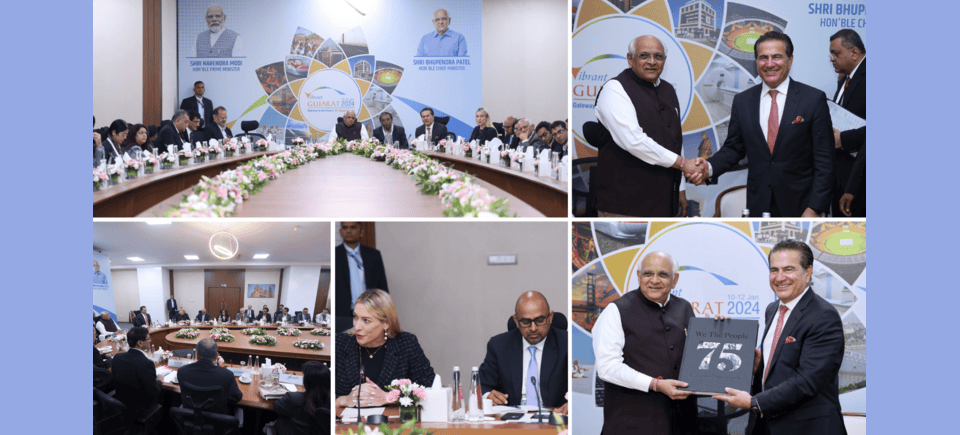
Washington, Thursday, January 11, 2024:
A high-level delegation from the US-India Strategic Partnership Forum (USISPF), led by Dr. Mukesh Aghi, President and CEO, participated in a constructive roundtable meeting with the Honorable Chief Minister of Gujarat, Shri Bhupendra Patel, on the sidelines of the Vibrant Gujarat Global Summit 2024.
Comprising of 35 Fortune American companies, the delegation delved into meaningful discussions regarding investment opportunities within the Gujarat International Finance Tec-City (GIFT) and International Financial Services Centre (GIFT IFSC). Additionally, they explored avenues for collaborative ventures with key stakeholders in Gujarat’s major industrial, business, IT, and FinTech sectors.
Chief Minister of Gujarat Shri Bhupendra Patel expressed enthusiasm about the ongoing collaboration between USISPF and Vibrant Gujarat, emphasizing the consistent efforts since 2017 in leading high-level industry delegations to the summit. Highlighting the significance of the US-India relationship, he noted on X (formerly Twitter) that the USA remains Gujarat’s major export destination. The Chief Minister mentioned that more than 120 American companies have established their base in Gujarat currently. He stated, “Had a fruitful meeting with the delegation of USISPF. Showcased the potential of GIFT IFSCA and the investment opportunities in this smart city.”
Dr. Mukesh Aghi, President & CEO of USISPF, expressed, “It’s an honor for USISPF to lead a delegation of American companies to invest and contribute to the development of Gujarat, a state that epitomizes India’s entrepreneurial spirit and can-do attitude. Our engagement at the Vibrant Gujarat Global Summit reaffirms our commitment to fostering economic ties and exploring avenues for mutual growth and development between the United States and Gujarat.”
The meeting highlights USISPF’s ongoing dedication to boosting US-Gujarat economic ties and unlocking avenues for shared prosperity.
About the US-India Strategic Partnership Forum (USISPF): The US-India Strategic Partnership Forum (USISPF) is committed to creating the most powerful partnership between the United States and India. As the only independent not-for-profit institution dedicated to strengthening the U.S.-India partnership in Washington, D.C., and in New Delhi, USISPF is the trusted partner for businesses, non-profit organizations, the diaspora, and the governments of India and the United States.
For immediate release.
For media inquiries, please contact:
Ankit Jain
Akshobh Giridharadas
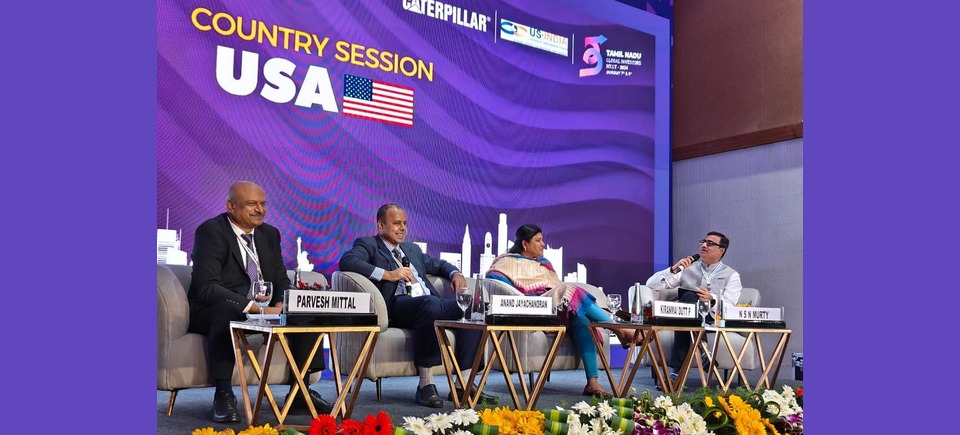
The distinguished panelists explored the convergence of technology, investigating how the synergy of technological advancements and collaborations can serve as pivotal drivers for fostering innovation and constructing vibrant ecosystems.
Panellists:
- Parvesh Mittal, Managing Director-India, Howden,
- Anand Jayachandran, Director – Government Engagement, Mastercard,
- Dr. Kiranmai Dutt Pendyala, Corporate Vice President – Human Resources, UPS India Technology Centre
Moderated by: NSN Murty, Partner & Leader, Government & Public Services, Deloitte
Special thanks to our panelists for their valuable insights that will shape the future of technology-driven economic growth.
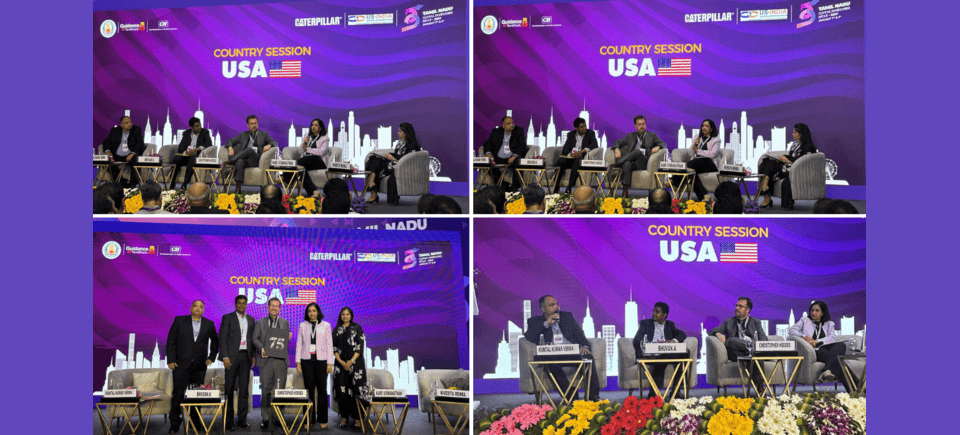
We had the honour of hosting the USA country session at the Tamil Nadu Global Investors Meet 2024. Our focus was on exploring investment opportunities in Tamil Nadu. Tamil Nadu’s business-friendly environment has attracted investments from several U.S. companies. During the session, we highlighted the importance of continued collaboration and partnerships between U.S. companies, research institutions, and their counterparts in Tamil Nadu. This collaborative effort aims to significantly contribute to the growth of India’s economy and further strengthen the bilateral relationship.
Panellists:
- Christopher Hodges, U.S. Consul General, Chennai
- Bhuvan Anandakrishnan, Vice-President, Caterpillar
- Kuntal Kumar Verma, Chief Manufacturing Officer, First Solar
- Kami Viswanathan, President – Middle East, Indian Subcontinentand Africa, FedEx
Moderator:
Nivedita Mehra, Managing Director, US-India Strategic Partnership
Forum (USISPF)
Thanks to our members and audience for joining the session!

Washington, Jan 27 (PTI) A top India-centric American business advocacy group, in collaboration with various US government agencies and a prestigious university, has announced an alliance to increase the number of women in STEM education and the workforce in India.
The launch of the US-India Alliance for Women’s Economic Empowerment STEM Collaborative was announced by Mukesh Aghi, president and CEO of the US-India Strategic and Partnership Forum during the US-India Alliance Shatter Summit.
“India and the US tech synergy is well evinced in India being an IT powerhouse and the US having the most robust tech economy. However, there is still a lacuna in the number of male and female STEM graduates,” Aghi said.
More information
https://www.ptinews.com/news/international/alliance-launched-to-increase-number-of-women-in-stem-education-workforce-in-india/501950.html

A top India-centric American business advocacy group, in collaboration with various US government agencies and a prestigious university, has announced an alliance to increase the number of women in STEM education and the workforce in India.
The launch of the US-India Alliance for Women’s Economic Empowerment STEM Collaborative was announced by Mukesh Aghi, president and CEO of the US-India Strategic and Partnership Forum during the US-India Alliance Shatter Summit.
India and the US tech synergy is well evinced in India being an IT powerhouse and the US having the most robust tech economy. However, there is still a lacuna in the number of male and female STEM graduates, Aghi said.
For India to unleash its full potential, there needs to be a concerted effort to get more young girls and women in STEM (science, technology, engineering and maths), he said.
The US-India Alliance for Women’s Economic Empowerment is a public-private partnership between the State Department, USAID, USISPF, and George Washington University designed to catalyse transformational commitments to foster women’s economic advancement and inclusion in India, he said.
Under this Alliance, one of the key priorities has been to accelerate women in STEM education and the workforce, the USISPF said, adding that the new catalytic US-India Alliance for Women’s Economic Empowerment STEM Collaborative aims to identify barriers and create opportunities for advancing women and girls in STEM in India.
Radhika Shah, co-president of Stanford Angels and Entrepreneurs and Collaborative Founder and Co-Chair, in her remarks, said as a product of both the Indian and American STEM education systems and having grown up in Ahmedabad under the influence of a Gandhian grandfather, it is her honour to co-found and co-chair the catalytic collaborative.
We live in a moment of unprecedented opportunity as we race into the digital age an opportunity to ensure every girl and woman benefits from the digital revolution, including access to early STEM education, well-paying STEM jobs, and leadership at the very helm, she said.
The Collaborative intends to work with leaders across the public and private sectors in both countries’ tapping resources and expertise in government, civil society, and the private sector in order to foster dialogue and catalyse collaboration, resources, innovative solutions, and knowledge sharing, according to USISPF.
Temina Madon, Co-Founder of The Agency Fund and Collaborative Founder Co-Chair said, “To achieve our ambitious goals, we think it will be important to learn from Indian civil society organisations that have been supporting and empowering women for generations.
We also need to incorporate insights from economics and psychology, including how to cultivate a sense of belonging for women in technical work. Science and technology can uplift our countries and our diverse communities. But only if women are equal participants, she said.
Leaders in technology and those driving social change will be successful in increasing women’s participation in AI-related fields only if more girls are given the opportunity to pursue STEM, said Deepali Khanna, vice president and managing director, Asia Office, The Rockefeller Foundation, Collaborative Champion.
Michelle Nunn, CEO of CARE USA, Collaborative Champion said she is thrilled to see the launch of the bold collaborative.
CARE’s programmes around the world, including in India, focus on STEM activities as a key strategy to teach and train skills to help women and girls succeed and to transform communities and nations, she said.
Increased participation by Indian women in STEM is crucial for India to grow a healthy, diverse scientific ecosystem, helping to address a number of pressing societal concerns in public health, climate change, said Rajesh Gopakumar, director International Center for Theoretical Sciences, Collaborative Champion.
According to Cole Wilbur, president emeritus, The David and Lucile Packard Foundation, Collaborative Champion the philanthropy sector can play a key role in collaboration with the private sector and governments in bringing about this transition.
It has never been more important now to accelerate women and girls’ leadership in STEM, Wilbur said.
More information
https://www.business-standard.com/article/international/alliance-launched-to-boost-number-of-women-in-stem-workforce-in-india-123012700069_1.html
Washington, Jan 27 (PTI) A top India-centric American business advocacy group, in collaboration with various US government agencies and a prestigious university, has announced an alliance to increase the number of women in STEM education and the workforce in India.
The launch of the US-India Alliance for Women’s Economic Empowerment STEM Collaborative was announced by Mukesh Aghi, president and CEO of the US-India Strategic and Partnership Forum during the US-India Alliance Shatter Summit.
“India and the US tech synergy is well evinced in India being an IT powerhouse and the US having the most robust tech economy. However, there is still a lacuna in the number of male and female STEM graduates,” Aghi said.
“For India to unleash its full potential, there needs to be a concerted effort to get more young girls and women in STEM (science, technology, engineering and maths),” he said.
The US-India Alliance for Women’s Economic Empowerment is a public-private partnership between the State Department, USAID, USISPF, and George Washington University designed to catalyse transformational commitments to foster women’s economic advancement and inclusion in India, he said.
Under this Alliance, one of the key priorities has been to accelerate women in STEM education and the workforce, the USISPF said, adding that the new catalytic US-India Alliance for Women’s Economic Empowerment STEM Collaborative aims to identify barriers and create opportunities for advancing women and girls in STEM in India.
Radhika Shah, co-president of Stanford Angels and Entrepreneurs and Collaborative Founder and Co-Chair, in her remarks, said as a product of both the Indian and American STEM education systems and having grown up in Ahmedabad under the influence of a Gandhian grandfather, it is her honour to co-found and co-chair the catalytic collaborative.
“We live in a moment of unprecedented opportunity as we race into the digital age an opportunity to ensure every girl and woman benefits from the digital revolution, including access to early STEM education, well-paying STEM jobs, and leadership at the very helm,” she said.
The Collaborative intends to work with leaders across the public and private sectors in both countries’ tapping resources and expertise in government, civil society, and the private sector in order to foster dialogue and catalyse collaboration, resources, innovative solutions, and knowledge sharing, according to USISPF.
Temina Madon, Co-Founder of The Agency Fund and Collaborative Founder Co-Chair said, “To achieve our ambitious goals, we think it will be important to learn from Indian civil society organisations that have been supporting and empowering women for generations.”
“We also need to incorporate insights from economics and psychology, including how to cultivate a sense of belonging for women in technical work. Science and technology can uplift our countries and our diverse communities. But only if women are equal participants,” she said.
“Leaders in technology and those driving social change will be successful in increasing women’s participation in AI-related fields only if more girls are given the opportunity to pursue STEM,” said Deepali Khanna, vice president and managing director, Asia Office, The Rockefeller Foundation, Collaborative Champion.
Michelle Nunn, CEO of CARE USA, Collaborative Champion said she is thrilled to see the launch of the ‘bold’ collaborative.
“CARE’s programmes around the world, including in India, focus on STEM activities as a key strategy to teach and train skills to help women and girls succeed and to transform communities and nations,” she said.
“Increased participation by Indian women in STEM is crucial for India to grow a healthy, diverse scientific ecosystem, helping to address a number of pressing societal concerns in public health, climate change,” said Rajesh Gopakumar, director International Center for Theoretical Sciences, Collaborative Champion.
According to Cole Wilbur, president emeritus, The David and Lucile Packard Foundation, Collaborative Champion the philanthropy sector can play a key role in collaboration with the private sector and governments in bringing about this transition.
It has never been more important now to accelerate women and girls’ leadership in STEM, Wilbur said.
More information
https://www.moneycontrol.com/news/business/alliance-launched-to-increase-number-of-women-in-stem-education-workforce-in-india-9944731.html

Washington, Jan 27 (PTI) A top India-centric American business advocacy group, in collaboration with various US government agencies and a prestigious university, has announced an alliance to increase the number of women in STEM education and the workforce in India.
The launch of the US-India Alliance for Women’s Economic Empowerment STEM Collaborative was announced by Mukesh Aghi, president and CEO of the US-India Strategic and Partnership Forum during the US-India Alliance Shatter Summit.
“India and the US tech synergy is well evinced in India being an IT powerhouse and the US having the most robust tech economy. However, there is still a lacuna in the number of male and female STEM graduates,” Aghi said.
“For India to unleash its full potential, there needs to be a concerted effort to get more young girls and women in STEM (science, technology, engineering and maths),” he said.
The US-India Alliance for Women’s Economic Empowerment is a public-private partnership between the State Department, USAID, USISPF, and George Washington University designed to catalyse transformational commitments to foster women’s economic advancement and inclusion in India, he said.
Under this Alliance, one of the key priorities has been to accelerate women in STEM education and the workforce, the USISPF said, adding that the new catalytic US-India Alliance for Women’s Economic Empowerment STEM Collaborative aims to identify barriers and create opportunities for advancing women and girls in STEM in India.
Radhika Shah, co-president of Stanford Angels and Entrepreneurs and Collaborative Founder and Co-Chair, in her remarks, said as a product of both the Indian and American STEM education systems and having grown up in Ahmedabad under the influence of a Gandhian grandfather, it is her honour to co-found and co-chair the catalytic collaborative.
“We live in a moment of unprecedented opportunity as we race into the digital age – an opportunity to ensure every girl and woman benefits from the digital revolution, including access to early STEM education, well-paying STEM jobs, and leadership at the very helm,” she said.
The Collaborative intends to work with leaders across the public and private sectors in both countries’ tapping resources and expertise in government, civil society, and the private sector in order to foster dialogue and catalyse collaboration, resources, innovative solutions, and knowledge sharing, according to USISPF.
Temina Madon, Co-Founder of The Agency Fund and Collaborative Founder Co-Chair said, “To achieve our ambitious goals, we think it will be important to learn from Indian civil society organisations that have been supporting and empowering women for generations.” “We also need to incorporate insights from economics and psychology, including how to cultivate a sense of belonging for women in technical work. Science and technology can uplift our countries and our diverse communities. But only if women are equal participants,” she said.
“Leaders in technology and those driving social change will be successful in increasing women’s participation in AI-related fields only if more girls are given the opportunity to pursue STEM,” said Deepali Khanna, vice president and managing director, Asia Office, The Rockefeller Foundation, Collaborative Champion.
Michelle Nunn, CEO of CARE USA, Collaborative Champion said she is thrilled to see the launch of the “bold” collaborative.
“CARE’s programmes around the world, including in India, focus on STEM activities as a key strategy to teach and train skills to help women and girls succeed and to transform communities and nations,” she said.
“Increased participation by Indian women in STEM is crucial for India to grow a healthy, diverse scientific ecosystem, helping to address a number of pressing societal concerns in public health, climate change,” said Rajesh Gopakumar, director International Center for Theoretical Sciences, Collaborative Champion.
According to Cole Wilbur, president emeritus, The David and Lucile Packard Foundation, Collaborative Champion the philanthropy sector can play a key role in collaboration with the private sector and governments in bringing about this transition.
It has never been more important now to accelerate women and girls’ leadership in STEM, Wilbur said.
More information
https://theprint.in/world/alliance-launched-to-increase-number-of-women-in-stem-education-workforce-in-india/1337535/

The US industry has urged FM to rationalize and simplify direct and indirect taxes in India.
A top US strategic and business advocacy group has urged Finance Minister Nirmala Sitharaman to simplify and rationalize India’s direct and indirect taxation system. The group believes that this move would increase the confidence of global investors and lead to greater foreign direct investment.
In its submission to the Finance Ministry ahead of the annual budget presentation, US-India Strategic and Partnership Forum (USISPF) has urged the ministry to rationalize corporate tax rates for foreign companies and harmonize holding periods and rates for different instruments for capital gain tax reforms.
It also urged the Finance Minister to extend the concessional tax regime to Foreign Portfolio Investment (FPI) from investing in securities while requesting her to reiterate India’s commitment towards the global tax deal.
The top recommendations of the US-based forum include advocating for a stable and predictable tax environment, improving the ease of doing business environment, rationalizing the cost of doing business, and rationalizing tax rates and tariffs. It has also sought tax incentives for specific sectors like renewable energy and R&D investment in the health sector.
On the topic of indirect taxes, USISPF has recommended reducing the customs duty rates for x-ray machines from 10 percent to 7.5 percent and provision of customs duty exemption on all items imported by specified research and development units while seeking clarification on the customs duty exemptions provided to oil and natural gas companies.
Additionally, USISPF urged the finance minister to reverse the increase in customs duty on nutritional products, recognizing the importance of the product and encouraging the availability of scientifically designed nutritional food in India.
In terms of customs tariffs and duties, the group advocated for addressing ambiguities in the customs tariff act on telecom products, extending concessional customs duty to advanced biofuel projects, and strengthening the process on the ground with regard to trade facilitation schemes such as CAROTAR and Faceless Assessment.
In an interview with CNBC-TV18, USISPF President Mukesh Aghi emphasized that India has the potential to target $100 Billion in FDI while stating that the upcoming budget has to be micro-focused on capex and infrastructure spending to fulfill this goal.
More information
https://www.livemint.com/news/india/budget-2023-top-us-body-urges-fm-to-simplify-direct-indirect-taxes-in-india-11674879952146.html
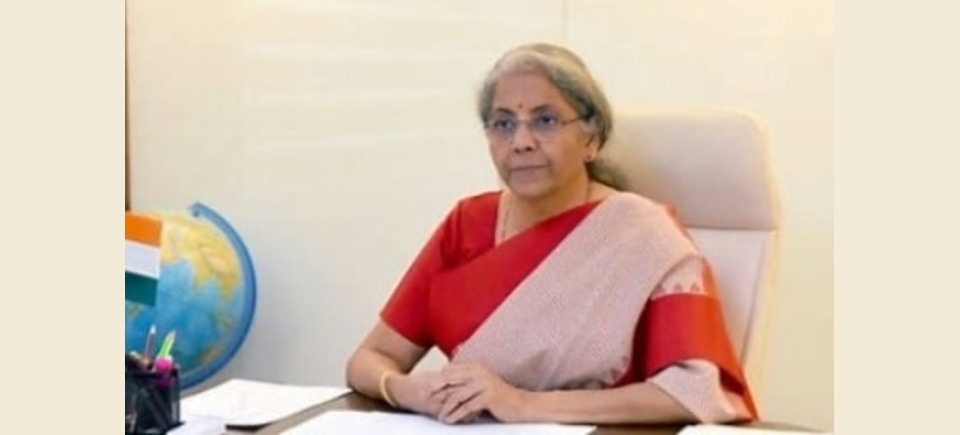
Ahead of the annual budget presentation, an India-centric top US strategic and business advocacy group has urged Union Finance Minister Nirmala Sitharaman to simplify and rationalise direct and indirect taxation system in India, a move it believes would increase the confidence of global investors and yield greater foreign direct investment.
Direct taxes can be in the form of income tax, capital gains tax or securities transaction tax, while indirect taxes such as GST, Customs Duty or VAT are levied on all end-consumers to buy any goods or services.
“Rationalise corporate tax rates for foreign companies,” said the US-India Strategic and Partnership Forum (USISPF) in its submission to the finance ministry ahead of the annual budget presentations on February 1. It said that the rate for foreign companies, including banks be reduced to bring parity and sought to rationalise tax for new manufacturing companies.
Urging India to simplify capital gain tax reforms, USISPF sought harmonising holding periods and rates of different instruments.
“Reiterate India’s commitment to the global tax deal,” it said and urged the Union Finance Minister to extend the concessional tax regime to Foreign Portfolio Investment (FPI) from investment in securities. USISPF has also suggested tax incentives to specific sectors like renewable energy and R&D investment in the health sector.
Among the Forum’s recommendations include advocating for a stable and predictable tax environment, improving the ease of doing business environment, rationalisation of the cost of doing business, and rationalisation of tax rates and tariffs.
On indirect taxes, the USISPF sought clarification on customs duty exemptions provided to oil and natural gas companies, reduction in customs duty rates for x-ray machines from 10 per cent to 7.5 per cent and providing customs duty exemption on all items imported by specified research and development units.
USISPF urged the finance minister to roll back the customs duty increase on nutritional products considering the importance and significance of the product and encourage the availability of scientifically designed nutritional food in India.
More information
https://www.dailypioneer.com/2023/business/us-industry-urges-fm-to-rationalise–simplify-direct-and-indirect-taxes-in-india-us-industry-urges-fm-to-rationalise–simplify-direct-and-indirect-taxes-in-india.html
By Parikshit Luthra
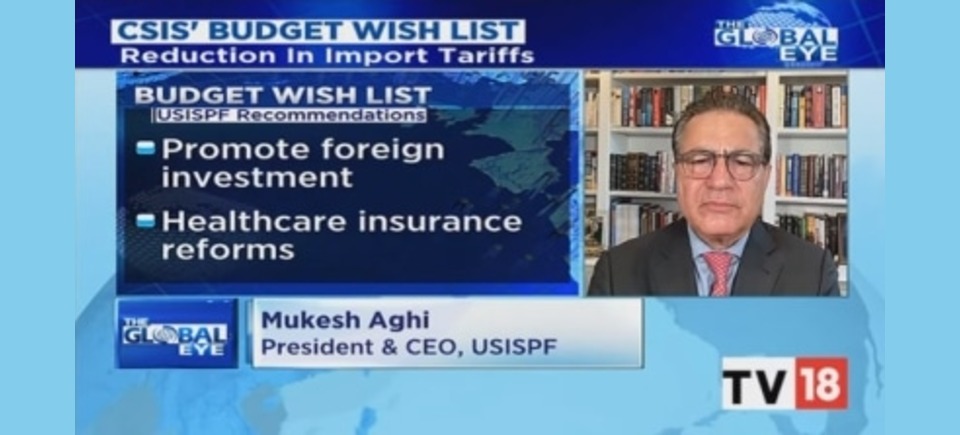
Budget 2023 is around the corner and the US-India Strategic Partnership Forum (USISPF) has some key asks from Finance Minister Nirmala Sitharaman and these include — promoting digital payments, reforms in healthcare and insurance segments and lastly simplifying foreign investments.
The Center for Strategic and International Studies (CSIS) recommends expediting settlement of contractual disputes, reducing import tariffs and improving infrastructure for MSMEs for ease of doing business with India.
The government has been taking steps to attract foreign companies to set up manufacturing plants in India — the government has also taken steps to simplify regulations for foreign investors.
Mukesh Aghi, President & CEO of USISPF, believes that India has a significant opportunity to attract foreign investment in the coming years. He notes that the country has the potential to target $100 billion in FDI by 2023 but emphasises the importance of a budget that is “micro-focused” on capex and infrastructure spending in order to achieve this goal.
“India is the chair of the G20, India is the fastest growing economy in the world today and there is a global disruption in supply chain. So that means it is an opportunity for India to target at least $100 billion FDI in this year itself. So that means we need to have a budget which is much more focused on capital investment and infrastructure investment. So what we are looking for is a budget which is lot more focused on growth for the next 10 years,” Aghi said.
Arvind Panagariya, the former Vice Chairman of NITI Aayog, notes that India has a great opportunity to capitalise on the “China +1” trend but emphasises the need for more liberalisation in order to make the most of this opportunity.
“China +1 is really a great opportunity for India to capitalise on the changed environment in which virtually all multi-nationals are seeking at least one more destination for their supply chains. So from that perspective, India has to continue to generally open up the economy and so the progress on the free trade agreements is extremely important. So free trade agreements and in general trade liberalisation are key,” Panagariya said.
Anit Mukherjee, an Adjunct Fellow at Wadhwani and the Chair of US-India Policy Studies at CSIS, also sees India as a beacon of stability in a difficult world. However, he cautions that a populist budget in 2023 could undermine this stability and notes that the budget should focus on enabling infrastructure, while providing foreign investors with stability in the taxation and investment regime.
Aghi also emphasised on the need for India to make dispute resolution faster and smoother, as well as making the ease of doing business much easier to match on a global basis.
Overall, these experts agree that India has a significant opportunity to attract foreign investment and become a hub for alternative supply chains in the coming years. However, they also stress the importance of liberalisation and a focus on infrastructure and ease of doing business in order to achieve this goal.
More information
https://www.cnbctv18.com/economy/budget-2023-capex-infrastructure-spending-usispf-nirmala-sitharaman-15787551.htm
Categories
The new emerging India and G20

Washington, DC: As we bid adieu to 2022, we reflect on the milestones that New Delhi has achieved, none as important as celebrating 75 years of Independence, a landmark in the country’s journey from its humble beginnings as a newly independent country to now a robust economy, the fifth largest global economic powerhouse.
The clock moves forward to 2023, and earlier on 1 December 2022, India assumed the Presidency for the G-20 summit from Indonesia. The outlook for next year has global economic headwinds as the Russia-Ukraine conflict will continue to dominate global affairs. As a result of which, we are witnessing inflationary trends, rising interest rates, and signs of recession, followed by escalating energy prices and worries about food shortage.
As I previously note, India’s G-20 Presidency propels New Delhi’s role as an emerging leader in the global scenario. India has long espoused a multilateral world order over a previously bipolar or unipolar world. New Delhi has stated that key stakeholders need to reflect on the evolution of the global economy over the past 70 years. The G-20 agenda for 2023 focuses on numerous ideas and issues including climate financing, energy security, international development cooperation as well as inclusive, equitable, and sustainable growth
India’s leadership will give a stronger voice to the challenges the developing world faces. New Delhi’s priorities include climate action, critical and emerging technologies, resilient supply chains, and vaccines, as we are witnessing a rise in Covid cases with a new variant that has emerged in China. India’s goal will be to build an inclusive ecosystem with holistic mechanisms to address critical global issues for the private sector.
Rebuilding supply chains is a major priority since the pandemic has disrupted the global flow of goods and services. What’s evinced in the boardroom is that companies are increasingly looking for a China-plus-one strategy. Strict Covid protocols in Beijing and followed by the outbreak of a new variant have worried global investors. Furthermore, there is a conscious need to diversify global supply chains to mitigate the proverbial all eggs in one manufacturing basket scenario.
India is a fantastic prospect for global corporations looking for alternate manufacturing destinations. Having interacted with state delegations in Uttar Pradesh, Assam, Gujarat, Tamil Nadu, and Karnataka, there is a conscious effort by state leadership to present their respective states as robust manufacturing destinations.
Global tech giant and innovation leader, Apple is looking to make the iPhone 14 in India. This is courtesy of how the Central government focus on manufacturing in form of PLI schemes and the Make in India strategy is succeeding in wooing top American tech companies. States too, in addition to the Centre’s scheme have interesting initiatives for high-end manufacturers. As India strives to make manufacturing a robust part of its economy through schemes such as Production Linked Incentive (PLI) and Make in India, the G-20 will seek to link global economies closer, and showcase India’s ability as a viable global manufacturing destination.
Apart from manufacturing, climate action, vaccines and supply chains, New Delhi will focus on critical and emerging technologies, space cooperation, AI for good as India continues to spurt unicorns in the new engine of economic growth that it has become.
Prime Minister Narendra Modi’s credo has been a good governance model. New Delhi, now at the helm of G-20, has an important chance to present a clarion call for emerging economies to adopt strong governance and collaborative model on global economic issues.
The G-20 forum is an august platform to discuss global economic issues and not fraught geopolitical ones. However, New Delhi has always espoused diplomatic dialogue and has called for all sides to de-escalate the conflict. Furthermore, Brazil, the next President in 2024, and India are both part of BRICS, along with Russia. India can use its unique position between the West and Moscow and its Presidency to urge for cessation of hostilities and prioritize larger and immediate concerns in health, climate, and supply chains, all of which impact the emerging market world greatly.
Prime Minister Modi has touched on digital transformation and data for good, as India continues to build on its digital economy, one that its Presidency will advocate as key to inclusive growth for the emerging market world. India’s goals for 2023, during its G-20 Presidency, will be to jointly work with its G-20 partners towards this objective. Digital solutions will not just help in innovation for the emerging market world but will be critical in the fight against climate change and mitigate the economic gap between the haves and the have-nots, with the rise in EdTech and MedTech.
India has strong comparative advantages as an investment destination over other economies, and none more so than its demographic dividend, with a large population under 35, New Delhi will project its role as a young, thriving, robust democracy and economic powerhouse at the G-20 summit in 2023.
Mukesh Aghi is the President & Chief Executive Officer of the US- India Strategic Partnership Forum.

Mukesh Aghi, president & CEO of the US- India Strategic Partnership Forum, said on the occasion of Indian minister Piyush Goyal’s visit to the US that, the trade policy meeting will look into the impediments and how to get rid of them.
Goyal is in the US to participate the 13th Trade Policy Forum (TPF).
“I do not think we will talk about GSP here,” Aghi told indica over the phone.
However, a few experts believe GSP will benefit India, though it’s hard to achieve, now that it’s in the hands of the US Congress.
Aghi feels that instead of the Generalized System of Preferences (GSP), the two countries ought to talk about bigger issues. “We are not just about trade,” he said. “It’s also about geo-politics, security, education, and immigration. Are we basically bringing in more secure supply chains to a country like India from China?”
He said that the US is focused “more on semi-conductor partnership, digital partnership, secure supply chains especially in generic drugs, and on defense manufacturing between two countries. We are also looking at food.”
He said GSP is not an impediment in the discussion at the moment.
He said that India’s hands are full at the moment with free trade agreements (FTAs) signed with the UAE, Australia, Israel and UK. He is not sure of an FTA between the US and India at the moment.
Official data suggests that bilateral trade between the US and India increased to $119.5 billion in 2021-22 from $80.5 billion in 2020-21. India received $55.61 billion in foreign direct investment from the US between April 2000 and June 2022.
The TPF is chaired by commerce and industry minister from the Indian side and United States Trade Representative (USTR) from the US side.
The TPF is designed to resolve trade and investment issues between the two countries, and consists of five focus groups: Agriculture, Investment, Innovation and Creativity (intellectual Property Rights), Services, and Tariff and Non-Tariff Barriers.
Dinsha Mistree, a research fellow at the Hoover Institution, at Stanford University, where he manages the Program on Strengthening US-Indian Relations said about Goyal’s visit that GSP would be good for India and should be part of any US- India trade discussion. “US and India should be doing a lot more to improve trade and investment, GSP is perhaps the most politically tractable policy to revisit. But GSP requires congressional reauthorization and only then can India be classified,” Mistree said.
Mistree added, “It is mostly in Congress’s hands and it’s still too early to say if it gets politicized. GSP is mostly out of India’s hands. Doing things to attract supply chains are much more doable in theory, but India has always been really bad at industrial policy.”
Mistree also pointed to tariffs says the Indian government has increased tariffs in a number of areas, including input goods. Infrastructure is a factor as well. “India also needs to become much more friendly to foreign business operations,” Mistree said. “Why do you think Ford and Citibank exited from India last year?”
He added, “They were smart enough not to blame government and said they were streamlining operations, but it’s no secret that both companies have had difficulties operating in India. Citi had been there for quite a while, like almost a century as well. It’s a challenging business environment.”
He said, “It’s the overall environment, but tax rationalization could help.”
Mark Linscott, senior fellow with the Atlantic Council’s South Asia Center, stated on the council website: “The first and fifth largest economies in the world have compelling national interests in solidifying and expanding their strategic partnership, yet the trade relationship is stuck with prospects for improvements dim. Two possibilities for 2023 could substantially alter the dynamics and put the trade relationship on a better, healthier course for the future. The first would be reauthorization of the US Generalized System of Preferences (GSP) program by Congress so that the two sides could come back to the table in the TPF with enticements to offer for concluding a wide-ranging trade agreement. If the United States could offer the reinstatement of India’s GSP benefits, the prospects are strong that the two sides could reach an agreement on a series of issues, covering agriculture, health-sector products, digital services, and new trade issues (e.g., environmental sustainability and more equitable distribution of the benefits of trade).”
He added, “The second would be a reversal of the Biden administration’s allergy to negotiating free trade agreements (FTAs), which has handicapped the United States in competing in global markets as their trading partners negotiate preferential trade terms among themselves (India concluded an FTA with the United Arab Emirates (UAE) and an interim FTA with Australia in 2022 and is actively negotiating with the United Kingdom, European Union, and Canada). The playing field has become less level for US export interests as a result, and a more captive US domestic market is neither realistic nor more beneficial. While it is unlikely that India would be at the top of the list for early negotiation of an FTA if the Biden administration changes course (the United Kingdom and Kenya are more likely candidates), even the start of an exploratory process for a US-India FTA would kick-start the expansion of the trade relationship.”
If neither of these possibilities emerge over the next year, it is likely that the TPF will continue to fall short of expectations. Both governments should consider the consequences of a trade relationship that has been going nowhere for too long.
Another senior fellow at the Atlantic Council, Atman Trivedi says in his statement on the council website, “Those searching for a silver-lining can hope the ministerial will inject new momentum into bilateral trade discussions for when the GSP is back in play. Ambassador and US Trade Representative Katherine Tai and Indian Minister of Commerce and Industry Piyush Goyal are thought to enjoy a good rapport. A positive and constructive session would be welcome in advance of India hosting the next round of Indo-Pacific Economic Framework negotiations on February 8-11. Those discussions will center on supply chains, clean economy, and fair economy, but not market access. India opted not to join IPEF’s trade pillar last September but signed-up for the other trade-adjacent topics.”
More Information
https://indicanews.com/will-gsp-help-in-us-india-trade-mukesh-aghi-says-no-other-experts-differ/
New Delhi, Delhi, India: Quad+, a journal dedicated to the intersection of geopolitics and technology, has been launched by the US-India Strategic Partnership Forum (USISPF). The journal will have a special focus on understanding and analyzing the implications of the Quad, the new strategic coalition between the United States, India, Australia, and Japan.
From its origins as a humanitarian response to the Asian tsunami, the Quad has come to represent a new model of a plurilateral organization. While informal and non-binding, it is now defining the strategic landscape of supply chains and critical technologies across half the world. While it has no doctrine, it is anchoring the emerging Indo-Pacific strategic environment. Quad+ will seek to monitor and explain the organization’s evolution in the coming years and how it reflects the rise of critical technology in contemporary geopolitics.
The first edition will lead with an interview by Dr. S Jaishankar, the Indian Minister of External Affairs, about the centrality of technology to world events today. It also includes four articles by strategic thinkers from the four Quad member-states on the relevance of the organization to their respective countries. There is also an article by Anirudh Suri, author of the book The Great Tech Game, on how and why technology has become the defining element of world affairs.
Commenting on the launch, Mukesh Aghi, President, and CEOof USISPF stated, “Washington and New Delhi have strengthened their bilateral partnership through the Quad. Hence with Quad+, our focus has been to seek contributions in the form of timely, thought-provoking, riveting articles and analyses that highlight issues across the realm of geopolitics, business, trade, tech, climate, and healthcare pertaining to the four partners. The Quad+ will be housed under the USISPF banner but will remain editorially independent and non-partisan.”
Pramit Pal Chaudhuri, a New Delhi-based journalist of almost 35 years of experience, has been appointed the editor for the Quad+. He will be assisted by USISPF teams across the US and India.
The Quad+ will be a quarterly journal, targeting four publications for the year. Each quarterly will have a unique theme set by the editor.
About the U.S.-India Strategic Partnership Forum (USISPF)
The US-India Strategic Partnership Forum (USISPF) is committed to creating the most powerful partnership between the United States and India. As the only independent not-for-profit institution dedicated to strengthening the U.S.-India partnership in Washington, D.C., and in New Delhi, USISPF is the trusted partner for businesses, non-profit organizations, the diaspora, and the governments of India and the United States.
More Information
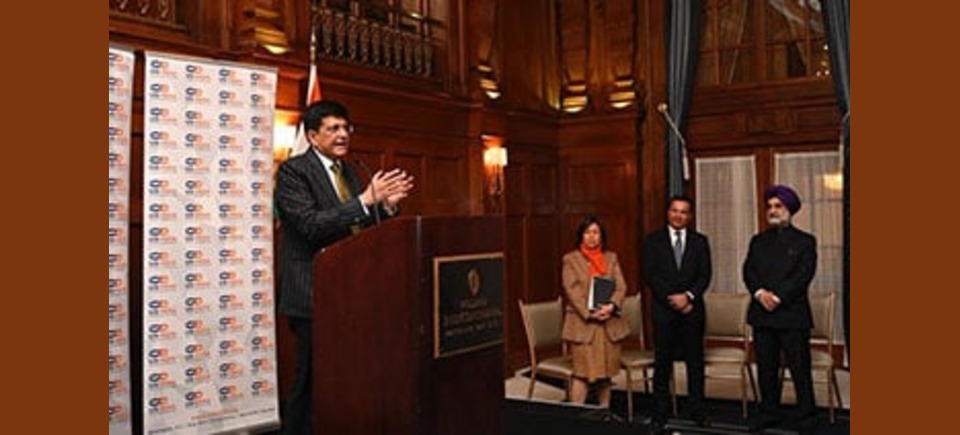
He spoke about the deepening of India-US trade engagement and the tremendous opportunities that lie ahead for both nations.
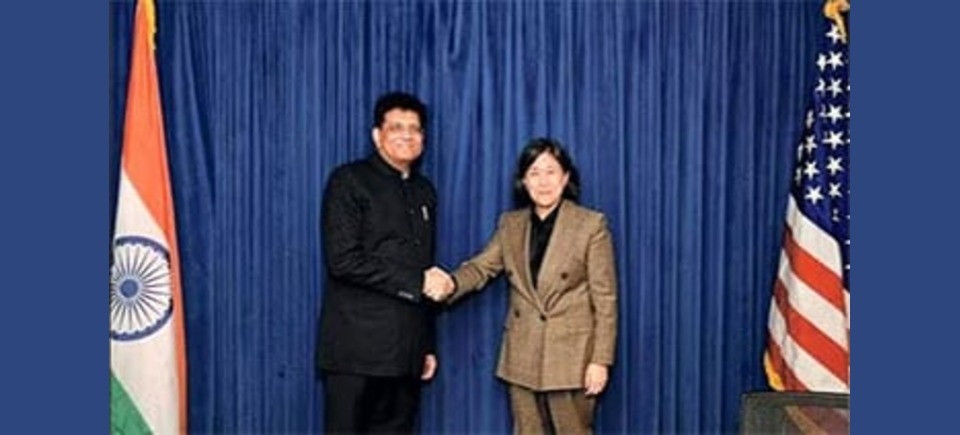
At the 13th Trade Policy Forum (TPF) ministerial talks held in Washington DC, Union ministerPiyush Goyal and US trade representative Katherine Tai hailed the fact that bilateral trade in goods and services had reached $160 billion in 2021, but also recognised that the full potential of the trade relationship remained “unfulfilled”.
Washington: Committing themselves to expanding their already growing trade relationship, India and the United States (US) have decided to build on the environment of trust to create resilient supply chains, resolve their existing trade disputes at World Trade Organisation (WTO) through bilateral mechanisms, work on expanding market access for each other’s products, and intensify their engagement through meetings of specific trade-related working groups on a quarterly basis.
At the 13th Trade Policy Forum (TPF) ministerial talks held in Washington DC on Wednesday, union minister for commerce and industry Piyush Goyal and US Trade Representative Katherine Tai hailed the fact that bilateral trade in goods and services had reached $160 billion in 2021, but also recognised that the full potential of the trade relationship remained “unfulfilled”, according to a joint statement released at the end of the talks.
Goyal told reporters that the TPF, since its relaunch in November 2021, had evolved into a “robust and outcome-oriented discussion” and was helping create a “smoother, more friendly and trusted environment for businesses to expand their trade and investment between the two countries”.
“The TPF is truly one platform where we have free and frank discussions, some which are predefined and some which emerge from the discussions.” These include issues of mutual interest as well as issues on which there are concerns on either side, the minister said.
US welcomes draft data law
Goyal said that the US has welcomed, prime facie, India’s draft Digital Personal Data Protection Bill that was released for public consultations at the end of November and appreciated American suggestions in the regard.
Both the US administration and tech industry had been concerned about India’s data localisation requirements, but the new proposed legislation states, “The Central Government may, after an assessment of such factors as it may consider necessary, notify such countries or territories outside India to which a Data Fiduciary may transfer personal data, in accordance with such terms and conditions as may be specified.” This is seen as opening the doors for cross-border data flows to trusted partners and geographies, of which the US is viewed as a key candidate.
Goyal said, “I must place on record our deep appreciation for the many guidance notes or suggestions we have received from the US from time to time on our digital laws and data protection and privacy laws so that we can align them with the needs of the world and help Indian businesses with their outreach with digital technologies.”
Pointing out that India is one of the largest suppliers on the information technology services side to the US, and that there is a “shared interest on both sides” to have a greater flow of data, Goyal said, “The new law placed for public consultations by ministry of electronics and information technology (Meity) was very very much appreciated by the US side and they do see that our effort to align the needs of industry, while maintaining the highest standards of data protection and privacy, has been brought out beautifully in the new law. The US side has expressed their prima facie satisfaction with the new law and will continue to engage with Meity.”
The joint statement said that both sides affirmed the importance of a conducive ecosystem for digital trade and agreed to enhance their engagement on the issue. In addition, the statement said that Goyal highlighted India’s interest in the potential of digital health, “particularly telemedicine services as an element of continuity of care during health emergencies.”
Trade convergences and divergences
Building on the achievements of the 2021 TPF, which enabled pork exports from US and mango exports from India among other steps, Wednesday’s talks opened up the prospect of the export of wild caught shrimps from India to the US.
The joint statement said that both sides had welcomed the finalisation of the turtle excluder device (TED) design, whose trials will help minimise the impact of fishing on sea-turtle populations. Goyal explained that wild caught shrimp exports had been banned by the US because of the concerns of the impact on turtles. “We hope that these trials in India will complete in the coming few months so that wild caught shrimps can be exported to the US. It was a product of good acceptance in the US market, good taste and has good potential for trade between the two countries.”
India and the US have also agreed to create a new working group on resilient trade.
The group, according to the joint statement, will focus on trade facilitation “which is particularly relevant to the construction of durable and resilient supply chains”; sustainable and inclusive growth “including cooperative engagement to promote labour rights and workforce development”; expanding dialogue on “good regulatory practices”; and the role of trade in contributing to environmental protection, including issues related to “mobilisation of sustainable finance and scaling up of clean technologies”, circular economy, and sustainable lifestyle choices.
India also highlighted, according to the joint statement, its interest in restoration of its beneficiary status under the US Generalized System of Preferences (GSP), which was revoked by the Donald Trump administration. But Goyal said that while he had placed the demand on record, it was not an issue that ranked high up on Indian priorities.
“I have not heard any significant clamour from Indian industry to focus our energies on the GSP issue. I have raised it. It is an issue that the Congress will have to take a call on. But it is not an issue that is high on our priority list or something on which we spend a lot of time. It was discussed, but more in passing. I can assure you that trade continues to expand very rapidly and I don’t think GSP withdrawal has been to the detriment of our growing trade ties.”
The two sides also discussed the contentious issue of intellectual property (IP), with the US, according to the joint statement, welcoming India’s ongoing domestic consultations regarding the “administration of its IP regime, including on the treatment of business confidential information related to working of patents, procedures for patent application oppositions, and streamlining of trademark infringement investigations”.
The two ministers also acknowledged that there remained work to be done to finalise access for certain agricultural products of interest to both sides and expressed their intent to increase dialogue on food and agricultural trade issues in 2023.
Among other issues, the ministers spoke about India’s draft Drugs, Medical Devices and Cosmetics Act; the streamlining of regulations under the Mandatory Testing and Certification of Telecommunication Equipment and Compulsory Registration Order; enhancing trade in professional services between the two countries; and cooperation in the fin tech sector.
Mobility and totalisation pact
The minister said that India found resonance vis a vis its request that business visa processing times need to be expedited so that trade, investment and business doesn’t suffer.
“India has made the request to the US that it may speed up issuance of regular business visas where people come for short trips. We are delighted that the movement of professional and skilled workers, students, investors, business travellers are expanding between the two countries. We are grateful that the US was able to process student visas on an expedited visas so that our students were able to come in the post-Covid context in the fall of 2022.”
On the long-pending issue of the totalisation pact — which deals with the issue of social security deposits of Indian professionals during their residency in the US and is a key Indian concern — the joint statement said that the ministers had acknowledged recent discussions on the issue, and “upon the receipt of additional information” from India, encouraged further engagement to arrive at an early outcome.
Industry responses
Commenting on the TPF, Mukesh Aghi, president and chief executive officer of the US India Strategic Partnership Forum, said that trade was a core pillar of the India-US strategic partnership – and since TPF’s relaunch, both sides had come together to resolve outstanding issues, find new areas of cooperation, and explore new areas of mutual interest.
“Despite the pandemic, the trade relationship is growing leaps and bounds. Numbers show that the US has overtaken China to be India’s largest trading partner,” Aghi said, adding that the creation of the working group on resilient trade was a milestone.
Ambassador (retired) Atul Keshap, the president of the US-India Business Council, said that the forum was an important step in sustaining the effort to strengthen bilateral commercial ties. “We are especially encouraged by both sides’ expressed intent to reconvene the TPF on a quarterly basis and the statement’s clear recognition that the potential of the bilateral relationship remains unfulfilled.” Keshap said that the creation of the working group on resilient trade reflected the urgent demand for a “high-standard, high-trust, and highly dependable trading ecosystem from industry and civil society”.
Experts offered a mixed assessment of the talks and Goyal’s visit. Richard M Rossow, the Wadhwani Chair in US India Policy Studies at The Center for Strategic and International Studies in Washington DC and an authority on the bilateral economic relationship, said that the minister’s visit was probably more notable for its engagements with business leaders than the formal talks with his counterpart. “As companies further look to diversify regional manufacturing out of China, India is under consideration—and Minister Goyal is a very good spokesperson and shepherd.”
Rossow said that the TPF itself lacked quantifiable outcomes that will alter trade. “But such summits can accelerate action behind the scenes. And some of the points outlined in the Joint Statement like the possible resumption of GSP and continuing talks over a Social Security totalisation agreement will have a stimulative effect on commercial ties if they are ultimately concluded.”
More Information
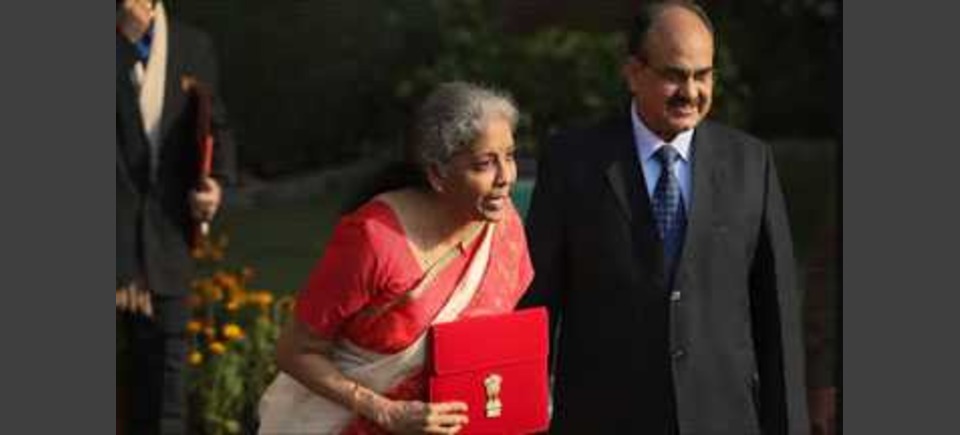
Indian Finance Minister Nirmala Sitharaman will unveil the FY22-23 Union Budget on February 1, 2022. As we enter into the third – and hopefully final – year of COVID disruption, we expect India’s upcoming Budget will seek to balance short-term fiscal needs with structural reforms to support medium-term growth.
The Budget prospects going into the next fiscal year are relatively sunny. The past year has seen a strong recovery driven by private consumption and the release of pent-up demand. India’s nominal GDP grew significantly faster than expected, generating greater tax revenues to offset revenue losses elsewhere. Public investment, particularly on capital expenditures, also provided critical demand support as COVID-related uncertainty dragged down private investment.
However, the strong results over the past year were also partly the result of base effects and the recovery itself is still fragile, particularly as consumption reverts to normal levels and households look to rebuild their balance sheets. The omicron variant has also renewed economic uncertainty. Even without another full-scale lockdown substantial fiscal support will be required to keep the recovery on track. Charting the path forward is a challenge.
Given that backdrop, we expect the FY22-23 Budget to incorporate measures to boost welfare and generate growth in the short, medium, and long-terms.
First, we expect significant welfare spending to be the budget priority in the short-term. In light of the recent farmer protests, and statewide elections commencing in February, the government can take advantage of its strong revenue performance to continue important social supports. Subsidies for food and fertilizer have been a lifeline for vulnerable populations hit hardest by the pandemic and job guarantee schemes have played an important role in supporting domestic demand. These programs should continue as a necessary – albeit temporary –expenditure.
In addition, public spending on physical infrastructure to service secondary and tertiary care, integrating digital for primary and follow-up care and COVID-related medical interventions will rightly remain a top priority for the foreseeable future. Best practices have been built during COVID-19, particularly disease surveillance to enable early predictions and vaccine literacy to protect at-risk groups from various vaccine preventable diseases should be mainstreamed.
Second, we expect the finance minister will seek measures to boost the economy’s medium-term growth potential. Ideally, new measures will focus on promoting exports and domestic investment, to take advantage of structural changes in the global economy as real wages in other parts of Asia rise and trade and investment patterns shift. The Production Linked Incentives(PLIs) announced in the last budget were a positive step in this direction and should be expanded as much as possible in the coming year. The goal should be to unite “Make in India” with the demands of a shifting global supply chain and create the global manufacturing hub for labor-intensive, high value-added sectors that will deliver much needed employment.
Finally, to achieve sustainable long-term growth, the FY22-23 Budget must balance the competing needs of fiscal consolidation and large increases in capital spending. Finance Minister Sitharaman clearly recognizes macroeconomic stability is a prerequisite for long-term public investment, which in turn is necessary to crowd in the private and foreign investment needed to close India’s large infrastructure gap. The FY22-23 Budget is therefore likely to chart a path to fiscal deficits under 6 percent in the next two years, through a combination of expenditure discipline (for instance, no more fund for public bank recapitalization) and revenue enhancements (e.g. divestments and monetization of public assets).
The Budget will likely include an ambitious target for divestment revenues, possibly as high as Rs 1.5 trillion, or nearly three times the pre-pandemic targets. Though past experience in this area is not encouraging (actual divestments fell nearly Rs 2.5 trillion ($34 billion) short of the target over the past two years and the results of this year to date are no better), meeting an ambitious target in 2022 will be especially important. The economic benefit of a strong divestment program is indisputable, and the revenue generated is needed to pay for crucial social spending. The Budget is an opportunity to reaffirm the government’s commitment to divestment and outline a clear plan to sell at least 25 public sector units, including completing the huge IPO of Life Insurance Corporation (LIC) without delay.
Likewise, a strong focus on capital spending will raise the country’s growth potential and create jobs for millions of new employees every year. Research from the RBI shows that capital expenditures boost GDP growth more than any other category of public spending. The 25 percent increase in the capital spending budget last year was a great first step that should be matched by a similar increase this year.
Finally, we expect the forthcoming Budget will build upon recent efforts to strengthen India’s financial sector, the lifeblood of its economy. We look forward to new measures to broaden and deepen local capital markets and make it easier for investors to hedge the local currency.
A number of administrative reforms, such as easing restrictions on overseas listing of Indian start-ups and reducing regulatory burdens on Qualified Foreign Institutional Investors, would help Indian firms tap into global pools of capital. Other measures, such as reducing dominant role of government in banking and insurance markets though divestment and governance reforms, will make crucial financial services safer, cheaper, and more accessible to the vast majority of Indian citizens.
The FY22-23 Budget can also provide guidelines for eventual regulation of the fast-evolving crypto and digital asset space, a priority Minister Sitharaman touched on during her visit to the United States in late 2021. These measures will ensure consumer protection and financial stability without sacrificing innovation and growth.
With a focus on macroeconomic stability, fiscal discipline, revenue growth, and a shift from short term relief and medium-term recovery, the FY22-23 budget will chart India’s path back to sustainable growth and the pave the way towards a $5 trillion economy of its potential.
More Information
https://www.cnbctv18.com/finance/whats-in-store-for-budget-2022-short-term-relief-medium-term-growth-12296482.htm
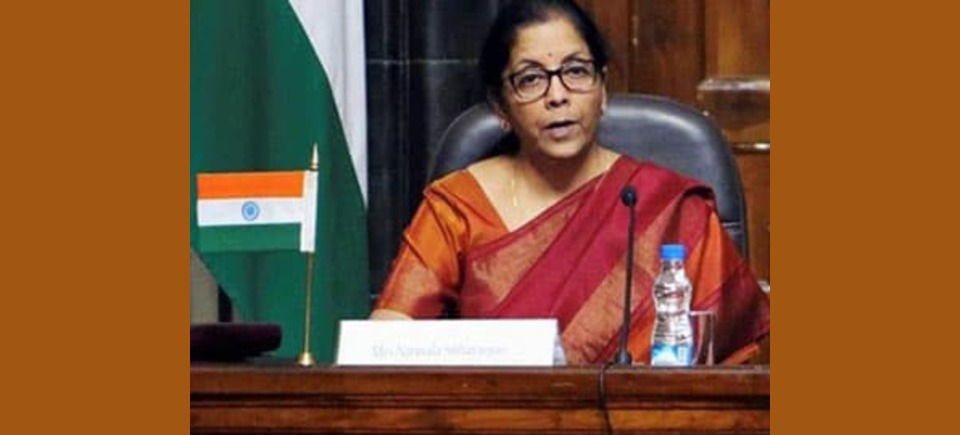
Days ahead of the annual budget, a top American business advocacy group, in a set of recommendations to the India’s Union Finance Minister, has recommended urgent action to address the distortions and inefficiencies arising out of regulatory mandates in the banking sector. Finance Minister Nirmala Sitharaman is scheduled to present her annual budget on February 1.
Washington DC-based US-India Strategic Partnership Forum (USISPF), which represents leading Fortune 500 companies, in a set of recommendations argued that to improve the ease of doing business for institutional investors, the process to register as Qualified Foreign Institutional Investor (QFII) should be streamlined, and the ability to adopt a single window clearance will enable smoother setting up of companies in India.
“Foreign investors can provide the billions in additional insurance equity capital needed to meet higher goals for insurance penetration, but existing restrictions discourage new foreign investment and undermine the 2021 reforms,” it said.
Should the 74 per cent cap on FDI remain, the GOI should address other complications like the three-party joint venture necessitated by the 20 per cent limit of bank ownership in insurers, it added. Having high expectations from the annual budget, USISPF said it should try to bring in tax stability and continuity, crucial factors in attracting investors.
A commitment to global tax norm will keep multinationals assured of tax certainty as they setup shop in India. Functional bottlenecks, ever-increasing TDS/TCS compliances, and a lack of clarity on overseas listings also impact ease of doing business, the forum noted.
Urging full transparency in the upcoming sale of shares in Life Insurance Corporation of India (LIC), USISPF said that reforms in the insurance sector should include eliminating the cap on foreign direct investment, permitting commercial credit cards for settlement of cashless claims to healthcare service providers and allowing insurance companies to set the commissions they pay to agents.
Budget 2022 should take specific steps to make it easier for customers and merchants to use digital solutions, including developing inter-operable QR codes, digitizing business to business (B2B) payments, ensuring the National Common Mobility Card (NCMC) is interoperable with global EMV standards, and expanding the digital payments backbone to underserved areas of the country, USISPF said.

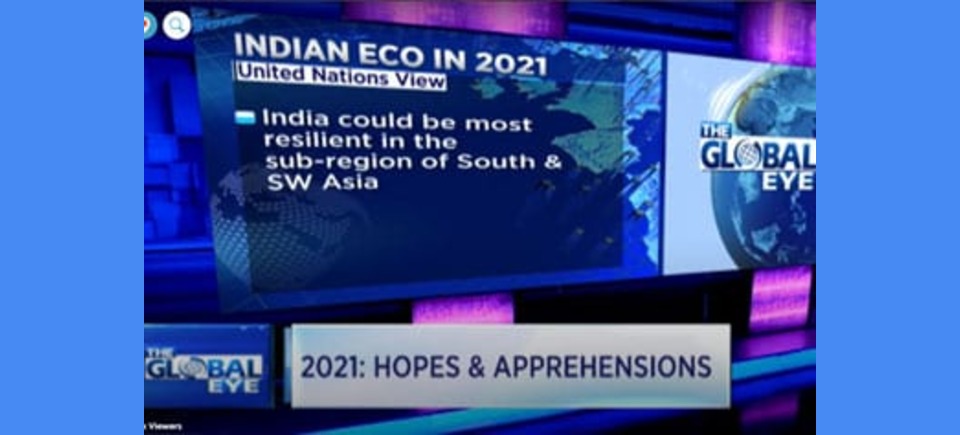
The three contentious farm laws passed by the Narendra Modi government will enable farmers to reach out directly to American multinational firms such as Amazon and Walmart, said Mukesh Aghi, president and CEO of the ……
Source: CNBC-TV18
Source Link: https://www.pscp.tv/w/1yNxaWwMAaQGj