News Month: March
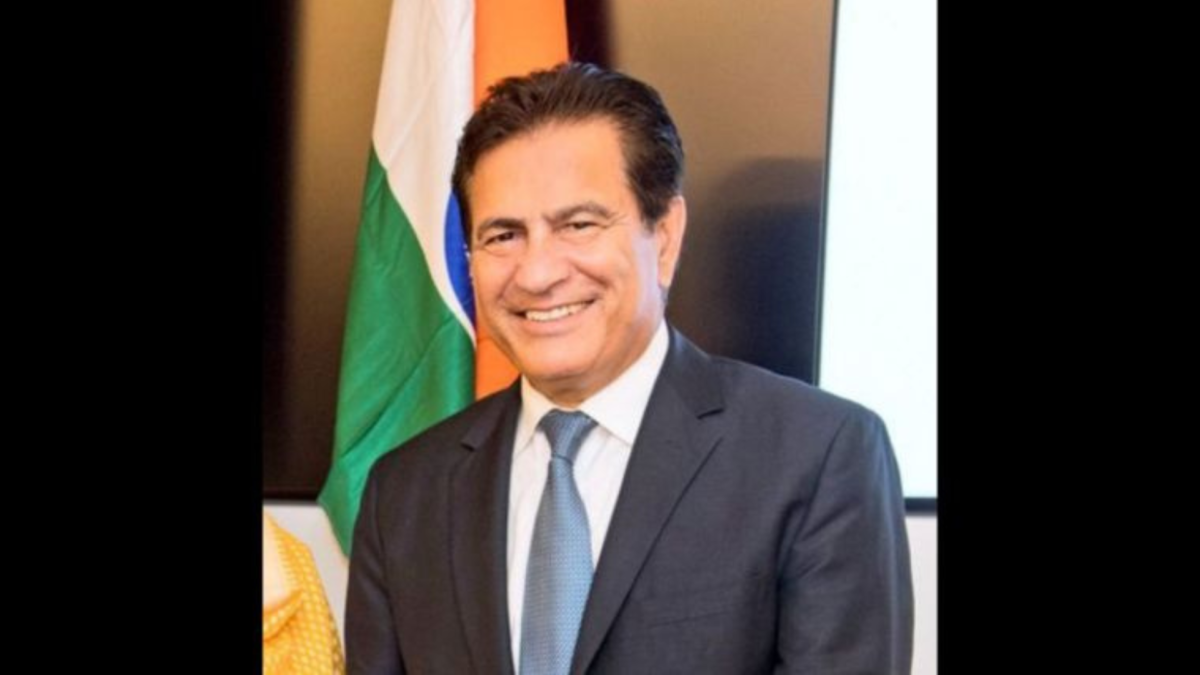





USISPF chief Mukesh Aghi on Sunday observed that the Silicon Valley Bank (SVB) has been the go-to bank for the US and foreign tech startups and members of the venture capital industry for years and its abrupt halt has left several of its customers worldwide in a crisis.
Welcoming the measures taken to fully preserve the insured and uninsured deposits at the now collapsed Silicon Valley Bank, the US India Strategic and Partnership Forum (USISPF) has said a swift resolution is vital for the United States to maintain its leadership in the global startup and innovation ecosystem.
USISPF chief Mukesh Aghi on Sunday observed that the Silicon Valley Bank (SVB) has been the go-to bank for the US and foreign tech startups and members of the venture capital industry for years and its abrupt halt has left several of its customers worldwide in a crisis.
He said the most immediate task was to prevent the contagion beyond the current limited case and maintain the US leadership in the global startup ecosystem by ensuring a swift and orderly resolution of the matter.
“The authorities have done so, realising that failure to protect the value of deposits would cripple many of these startup firms, resulting in the loss of hundreds of thousands of jobs and impacting millions of lives globally. Furthermore, the startup ecosystem in the United States is tightly integrated with the ecosystem globally,” Aghi said in a statement.
“The financial crippling of many startups would reverberate around the world, especially in innovative countries like Ireland, Israel and India. The important measures were to preclude the loss of credibility and trust in Silicon Valley, which if lost, might never be restored and would further erode the United States’ position as the global startup leader,” he said.
California-based Silicon Valley Bank, the 16th largest bank in the United States, was closed on Friday by the California Department of Financial Protection and Innovation which later appointed the Federal Deposit Insurance Corporation (FDIC) as its receiver.
One of the United States’ most significant and successful exports has been the idea of the American Dream, a dream many founders and co-founders of startups have emulated, Aghi said, noting that the USISPF research shows that more than 70 per cent of startups have immigrant co-founders, and as of 2022, over 50 CEOs of public companies are of Indian origin.
“In the tech space, both the United States and India have seen tremendous collaboration and convergence. The synergy is best epitomised by India’s tech talent and the United States’ robust tech sector,” he said.
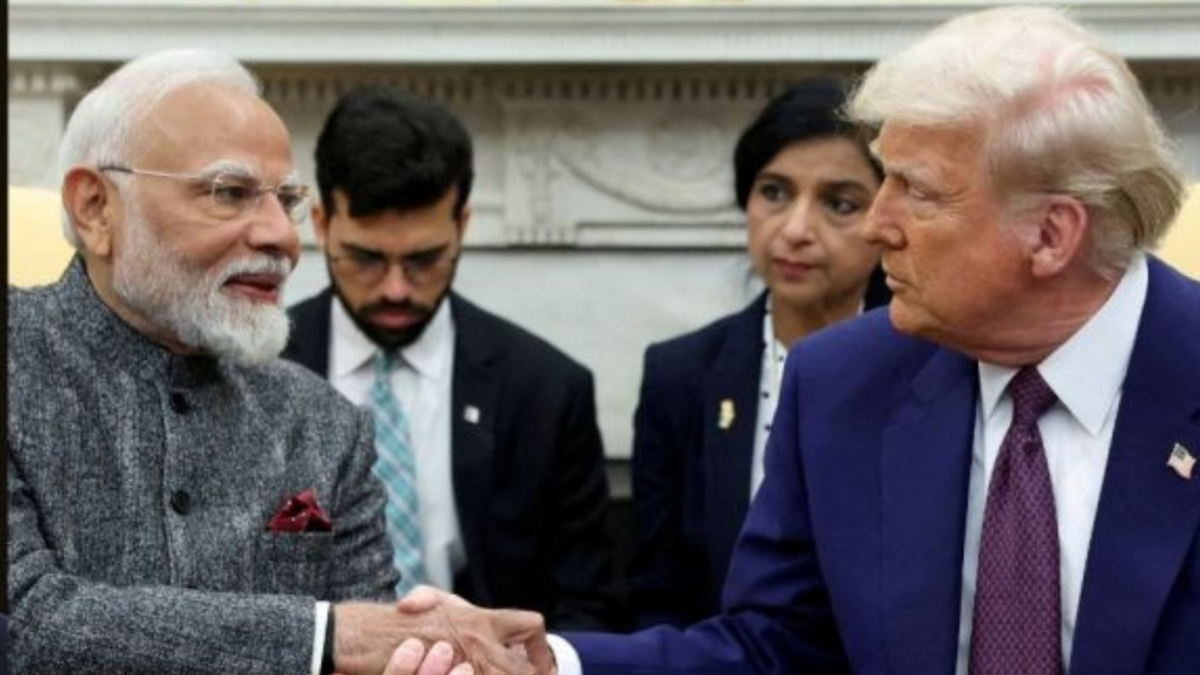
The technology industry for decades has provided the US with a global competitive edge, and Silicon Valley continues to epitomise that hub for innovation. During his 2015 visit to the Valley, Prime Minister Narendra Modi had said, “California is one of the last places in the world to see the sunset, but it is here that new ideas see the first light of day.”
The startup innovation economy houses millions of jobs, liquidity, and dreams, all of which stand at significant risk if liquidity goes awry, he said. USISPF’s immediate focus is to help ensure the safety of deposits of startups and venture capitalists (VCs) to be assured of security in a timely and efficient manner, Aghi noted.
“The dislocation of funds from SVB is not just a financial crisis, but can snowball into a tech crisis. As such, we thank the Federal Reserve, the FDIC, and the US Treasury Department for acting swiftly and for reassurance to startups during this crisis. In the future, I urge the White House and Treasury Department, working in partnership with the Congress, to strengthen the regional banking system,” Aghi said.
“The US startup ecosystem has a tremendous impact worldwide, so immediate action was needed and thus taken to protect it during this critical time,” the USISPF president added.
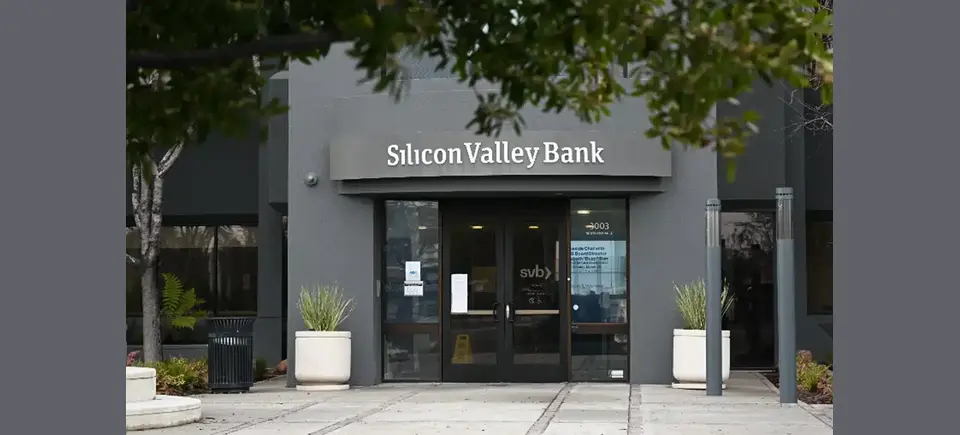
USISPF chief Mukesh Aghi said that the Silicon Valley Bank has been the go-to bank for the US and foreign tech startups and members of the venture capital industry for years and its abrupt halt has left several of its customers worldwide in a crisis.
Washington: Welcoming the measures taken to fully preserve the insured and uninsured deposits at the now collapsed Silicon Valley Bank, the US India Strategic and Partnership Forum (USISPF) has said a swift resolution is vital for the United States to maintain its leadership in the global startup and innovation ecosystem.
USISPF chief Mukesh Aghi on Sunday observed that the Silicon Valley Bank (SVB) has been the go-to bank for the US and foreign tech startups and members of the venture capital industry for years and its abrupt halt has left several of its customers worldwide in a crisis.
He said the most immediate task was to prevent the contagion beyond the current limited case and maintain the US leadership in the global startup ecosystem by ensuring a swift and orderly resolution of the matter.
“The authorities have done so, realising that failure to protect the value of deposits would cripple many of these startup firms, resulting in the loss of hundreds of thousands of jobs and impacting millions of lives globally. Furthermore, the startup ecosystem in the United States is tightly integrated with the ecosystem globally,” Aghi said in a statement.
“The financial crippling of many startups would reverberate around the world, especially in innovative countries like Ireland, Israel and India. The important measures were to preclude the loss of credibility and trust in Silicon Valley, which if lost, might never be restored and would further erode the United States’ position as the global startup leader,” he said.
California-based Silicon Valley Bank, the 16th largest bank in the United States, was closed on Friday by the California Department of Financial Protection and Innovation which later appointed the Federal Deposit Insurance Corporation (FDIC) as its receiver.
One of the United States’ most significant and successful exports has been the idea of the American Dream, a dream many founders and co-founders of startups have emulated, Aghi said, noting that the USISPF research shows that more than 70 per cent of startups have immigrant co-founders, and as of 2022, over 50 CEOs of public companies are of Indian origin.
“In the tech space, both the United States and India have seen tremendous collaboration and convergence. The synergy is best epitomised by India’s tech talent and the United States’ robust tech sector,” he said.
The technology industry for decades has provided the US with a global competitive edge, and Silicon Valley continues to epitomise that hub for innovation. During his 2015 visit to the Valley, Prime Minister Narendra Modi had said, “California is one of the last places in the world to see the sunset, but it is here that new ideas see the first light of day.” The startup innovation economy houses millions of jobs, liquidity, and dreams, all of which stand at significant risk if liquidity goes awry, he said. USISPF’s immediate focus is to help ensure the safety of deposits of startups and venture capitalists (VCs) to be assured of security in a timely and efficient manner, Aghi noted.
“The dislocation of funds from SVB is not just a financial crisis, but can snowball into a tech crisis. As such, we thank the Federal Reserve, the FDIC, and the US Treasury Department for acting swiftly and for reassurance to startups during this crisis. In the future, I urge the White House and Treasury Department, working in partnership with the Congress, to strengthen the regional banking system,” Aghi said.
“The US startup ecosystem has a tremendous impact worldwide, so immediate action was needed and thus taken to protect it during this critical time,” the USISPF president added.
More information
https://www.ndtv.com/business/us-india-partnership-forum-hails-swift-action-to-protect-silicon-valley-bank-depositors-3855460

New Delhi, Delhi, India:
In light of the sudden collapse of Silicon Valley Bank, Dr. Mukesh Aghi, President and CEO of the US-India Strategic Partnership Forum’s Startup Connect Program thanks the U.S. Federal Reserve, the Federal Deposit Insurance Corporation (FDIC), and the U.S. Treasury Department for the steps they have taken to fully preserve the insured and uninsured deposits. A swift resolution is vital for the United States to maintain its leadership in the global startup and innovation ecosystem.
Silicon Valley Bank (SVB) has been the go-to bank for U.S. and foreign tech startups and members of the venture capital (V.C.) industry for years, and its abrupt halt has left several of its customers worldwide in crisis. The most immediate task was to prevent contagion beyond this limited case and maintain U.S. leadership in the global startup ecosystem by ensuring a swift and orderly resolution at SVB. The authorities have done so, realizing that failure to protect the value of deposits would cripple many of these startup firms, resulting in the loss of hundreds of thousands of jobs and impacting millions of lives globally.
Furthermore, the startup ecosystem in the United States is tightly integrated with the ecosystem globally. The financial crippling of many startups would reverberate around the world, especially in innovative countries like Ireland, Israel, and India. The important measures were to preclude the loss of credibility and trust in Silicon Valley, which if lost, might never be restored and would further erode the United States’ position as the global startup leader.
United States as the Innovation Engine of the World
One of the United States’ most significant and successful exports has been the idea of the American Dream, a dream many founders and co-founders of startups have emulated.
USISPF research shows that more than 70% of startups have immigrant co-founders, and as of 2022, over 50 CEOs of public companies are of Indian origin.
In the tech space, both the United States and India have seen tremendous collaboration and convergence. The synergy is best epitomized by India’s tech talent and the United States’ robust tech sector.
The technology industry for decades has provided the United States with a global competitive edge, and Silicon Valley continues to epitomize that hub for innovation. During his 2015 visit to the Valley, Prime Minister Narendra Modi stated, “California is one of the last places in the world to see the sunset, but it is here that new ideas see the first light of day.”
Decisive Action
The startup innovation economy houses millions of jobs, liquidity, and dreams, all of which stand at significant risk if liquidity goes awry. USISPF’s immediate focus is to help ensure the safety of deposits of startups and V.C.s to be assured of security in a timely and efficient manner. The dislocation of funds from SVB is not just a financial crisis but can snowball into a tech crisis. As such, we thank the Federal Reserve, the FDIC, and the U.S. Treasury Department for acting swiftly and for reassurance to startups during this crisis. In the future, I urge the White House and Treasury Department, working in partnership with Congress, to strengthen the regional banking system.
The U.S. startup ecosystem has a tremendous impact worldwide, so immediate action was needed and thus taken to protect it during this critical time.
About the US-India Strategic Partnership Forum (USISPF)
The US-India Strategic Partnership Forum (USISPF), whose chairman is John Chambers, is committed to creating the most powerful partnership between the United States and India. As the only independent not-for-profit institution dedicated to strengthening the U.S.-India partnership in Washington, D.C., and in New Delhi, USISPF is the trusted partner for businesses, non-profit organizations, the diaspora, and the governments of India and the United States.
About U.S. – India Startup Connect Program
The Startup Connect Program provides a platform for founders and CEOs to mentor burgeoning tech talent and startups, leveraging USISPF’s B2B connectivity. The invaluable mentorship from Fortune 500 executives and robust support from a policy perspective seeks to help improve the regulatory environment for startups to expand in the U.S. The Program supports entrepreneurs who move to the U.S. and seek to expand their enterprise there, creating thousands of technology jobs and boosting the Silicon Valley ecosystem. Umesh Sachdev, Founder and CEO of Uniphore, and Vinod Muthukrishnan, Chief Customer Officer of Uniphore, are co-chairs of the Program.
More information
https://www.businesswireindia.com/usispfs-startup-connect-statement-on-silicon-valley-bank-crisis-83516.html

America’s Big Banks Amidst the bankruptcy of Silicon Valley Bank (SVB), the Biden administration has announced that the depositors of this bank will be able to withdraw their money from today, with the aim of maintaining public confidence in the country’s banking system and protecting the US economy. An official statement said that after receiving the recommendation of the Federal Deposit Insurance Corporation (FDIC) and the central bank Federal Reserve and discussions with President Joe Biden, Treasury Secretary Janet Yellen on Sunday decided to complete the resolution of the bank, as well as depositors. has authorized the FDIC to take steps to fully protect the interests of
Due to the sinking of the bank, there was increased concern among the depositors.
California-based Silicon Valley Bank, the 16th largest US bank, was shut down by the California Department of Financial Security and Innovation on Friday. It has appointed the FDIC as the bank’s resolver. The bank ran into trouble when its customers, including venture capital firms and those backed by them, started withdrawing their deposits. Depositors of the bank will be able to access their full funds from Monday, March 13, said a joint statement issued by the US Treasury Department, the Federal Reserve and the FDIC. Taxpayers will not have to bear the loss associated with the resolution of Silicon Valley Bank.
Big relief to startups around the world
In the statement, a similar systematic risk exception has been announced for Signature Bank of New York. This bank was closed on Monday. Welcoming the steps taken to protect the interests of SVB’s depositors, the US India Strategic and Partnership Forum (USISPF) has said that a swift and orderly solution is necessary to maintain America’s leadership in the global startup and innovation ecosystem. USISPF chief Mukesh Aghi said the authorities have taken steps. They know that failing to protect the value of deposits will put many startup companies in jeopardy, resulting in the loss of thousands of jobs and affecting millions of people around the world.
More information
https://presswire18.com/big-relief-to-the-depositors-of-silicon-valley-bank-will-be-able-to-withdraw-money-from-today/

New Delhi [India], March 13 (ANI/BusinessWire India): In light of the sudden collapse of Silicon Valley Bank, Dr Mukesh Aghi, President and CEO of the US-India Strategic Partnership Forum’s Startup Connect Program thanks the U.S. Federal Reserve, the Federal Deposit Insurance Corporation (FDIC), and the U.S. Treasury Department for the steps they have taken to fully preserve the insured and uninsured deposits. A swift resolution is vital for the United States to maintain its leadership in the global startup and innovation ecosystem.
Silicon Valley Bank (/topic/silicon-valley-bank) (SVB) has been the go-to bank for U.S. and foreign tech startups and members of the venture capital (V.C.) industry for years, and its abrupt halt has left several of its customers worldwide in crisis. The most immediate task was to prevent contagion beyond this limited case and maintain U.S. leadership in the global startup ecosystem by ensuring a swift and orderly resolution at SVB. The authorities have done so, realizing that failure to protect the value of deposits would cripple many of these startup firms, resulting in the loss of hundreds of thousands of jobs and impacting millions of lives globally.
Furthermore, the startup ecosystem in the United States is tightly integrated with the ecosystem globally. The financial crippling of many startups would reverberate around the world, especially in innovative countries like Ireland, Israel, and India. The important measures were to preclude the loss of credibility and trust in Silicon Valley, which if lost, might never be restored and would further erode the United States’
position as the global startup leader.
United States as the Innovation Engine of the World
One of the United States’ most significant and successful exports has been the idea of the American Dream, a dream many founders and co-founders of startups have emulated. USISPF research shows that more than 70 per cent of startups have immigrant co-founders, and as of 2022, over 50 CEOs of public companies are of Indian origin. In the tech space, both the United States and India have seen tremendous collaboration and convergence. The synergy is best epitomized by India’s tech talent and the United States’ robust tech sector.
The technology industry for decades has provided the United States with a global competitive edge, and Silicon Valley continues to epitomize that hub for innovation. During his 2015 visit to the Valley, Prime Minister Narendra Modi stated, “California is one of the last places in the world to see the sunset, but it is here that new ideas see the first light of day.”
Decisive Action
The startup innovation economy houses millions of jobs, liquidity, and dreams, all of which stand at significant risk if liquidity goes awry. USISPF’s immediate focus is to help ensure the safety of deposits of startups and V.C.s to be assured of security in a timely and efficient manner. The dislocation of funds from SVB is not just a financial crisis but can snowball into a tech crisis. As such, we thank the Federal Reserve, the FDIC, and the U.S. Treasury Department for acting swiftly and for reassurance to startups during this crisis. In the future, I urge the White House and Treasury Department, working in partnership with Congress, to strengthen the regional banking system.
The U.S. startup ecosystem has a tremendous impact worldwide, so immediate action was needed and thus taken to protect it during this critical time.
Business Wire India
In light of the sudden collapse of Silicon Valley Bank, Dr. Mukesh Aghi, President and CEO of the US-India Strategic Partnership Forum’s Startup Connect Program thanks the U.S. Federal Reserve, the Federal Deposit Insurance Corporation (FDIC), and the U.S. Treasury Department for the steps they have taken to fully preserve the insured and uninsured deposits. A swift resolution is vital for the United States to maintain its leadership in the global startup and innovation ecosystem.
Silicon Valley Bank (SVB) has been the go-to bank for U.S. and foreign tech startups and members of the venture capital (V.C.) industry for years, and its abrupt halt has left several of its customers worldwide in crisis. The most immediate task was to prevent contagion beyond this limited case and maintain U.S. leadership in the global startup ecosystem by ensuring a swift and orderly resolution at SVB. The authorities have done so, realizing that failure to protect the value of deposits would cripple many of these startup firms, resulting in the loss of hundreds of thousands of jobs and impacting millions of lives globally.
Furthermore, the startup ecosystem in the United States is tightly integrated with the ecosystem globally. The financial crippling of many startups would reverberate around the world, especially in innovative countries like Ireland, Israel, and India. The important measures were to preclude the loss of credibility and trust in Silicon Valley, which if lost, might never be restored and would further erode the United States’ position as the global startup leader.
United States as the Innovation Engine of the World
One of the United States’ most significant and successful exports has been the idea of the American Dream, a dream many founders and co-founders of startups have emulated.
USISPF research shows that more than 70% of startups have immigrant co-founders, and as of 2022, over 50 CEOs of public companies are of Indian origin.
In the tech space, both the United States and India have seen tremendous collaboration and convergence. The synergy is best epitomized by India’s tech talent and the United States’ robust tech sector.
The technology industry for decades has provided the United States with a global competitive edge, and Silicon Valley continues to epitomize that hub for innovation. During his 2015 visit to the Valley, Prime Minister Narendra Modi stated, “California is one of the last places in the world to see the sunset, but it is here that new ideas see the first light of day.”
Decisive Action
The startup innovation economy houses millions of jobs, liquidity, and dreams, all of which stand at significant risk if liquidity goes awry. USISPF’s immediate focus is to help ensure the safety of deposits of startups and V.C.s to be assured of security in a timely and efficient manner. The dislocation of funds from SVB is not just a financial crisis but can snowball into a tech crisis. As such, we thank the Federal Reserve, the FDIC, and the U.S. Treasury Department for acting swiftly and for reassurance to startups during this crisis. In the future, I urge the White House and Treasury Department, working in partnership with Congress, to strengthen the regional banking system.
The U.S. startup ecosystem has a tremendous impact worldwide, so immediate action was needed and thus taken to protect it during this critical time.
About the US-India Strategic Partnership Forum (USISPF)
The US-India Strategic Partnership Forum (USISPF), whose chairman is John Chambers, is committed to creating the most powerful partnership between the United States and India. As the only independent not-for-profit institution dedicated to strengthening the U.S.-India partnership in Washington, D.C., and in New Delhi, USISPF is the trusted partner for businesses, non-profit organizations, the diaspora, and the governments of India and the United States.
About U.S. – India Startup Connect Program
The Startup Connect Program provides a platform for founders and CEOs to mentor burgeoning tech talent and startups, leveraging USISPF’s B2B connectivity. The invaluable mentorship from Fortune 500 executives and robust support from a policy perspective seeks to help improve the regulatory environment for startups to expand in the U.S. The Program supports entrepreneurs who move to the U.S. and seek to expand their enterprise there, creating thousands of technology jobs and boosting the Silicon Valley ecosystem. Umesh Sachdev, Founder and CEO of Uniphore, and Vinod Muthukrishnan, Chief Customer Officer of Uniphore, are co-chairs of the Program.
New Delhi, Delhi, India
New Delhi [India], March 13 (ANI/BusinessWire India): In light of the sudden collapse of Silicon Valley Bank, Dr Mukesh Aghi, President and CEO of the US-India Strategic Partnership Forum’s Startup Connect Program thanks the U.S. Federal Reserve, the Federal Deposit Insurance Corporation (FDIC), and the U.S. Treasury Department for the steps they have taken to fully preserve the insured and uninsured deposits. A swift resolution is vital for the United States to maintain its leadership in the global startup and innovation ecosystem.
Silicon Valley Bank (SVB) has been the go-to bank for U.S. and foreign tech startups and members of the venture capital (V.C.) industry for years, and its abrupt halt has left several of its customers worldwide in crisis. The most immediate task was to prevent contagion beyond this limited case and maintain U.S. leadership in the global startup ecosystem by ensuring a swift and orderly resolution at SVB. The authorities have done so, realizing that failure to protect the value of deposits would cripple many of these startup firms, resulting in the loss of hundreds of thousands of jobs and impacting millions of lives globally.
Furthermore, the startup ecosystem in the United States is tightly integrated with the ecosystem globally. The financial crippling of many startups would reverberate around the world, especially in innovative countries like Ireland, Israel, and India. The important measures were to preclude the loss of credibility and trust in Silicon Valley, which if lost, might never be restored and would further erode the United States’ position as the global startup leader.
United States as the Innovation Engine of the World
One of the United States’ most significant and successful exports has been the idea of the American Dream, a dream many founders and co-founders of startups have emulated.
USISPF research shows that more than 70 per cent of startups have immigrant co-founders, and as of 2022, over 50 CEOs of public companies are of Indian origin.
In the tech space, both the United States and India have seen tremendous collaboration and convergence. The synergy is best epitomized by India’s tech talent and the United States’ robust tech sector.
The technology industry for decades has provided the United States with a global competitive edge, and Silicon Valley continues to epitomize that hub for innovation. During his 2015 visit to the Valley, Prime Minister Narendra Modi stated, “California is one of the last places in the world to see the sunset, but it is here that new ideas see the first light of day.”
Decisive Action
The startup innovation economy houses millions of jobs, liquidity, and dreams, all of which stand at significant risk if liquidity goes awry. USISPF’s immediate focus is to help ensure the safety of deposits of startups and V.C.s to be assured of security in a timely and efficient manner. The dislocation of funds from SVB is not just a financial crisis but can snowball into a tech crisis. As such, we thank the Federal Reserve, the FDIC, and the U.S. Treasury Department for acting swiftly and for reassurance to startups during this crisis. In the future, I urge the White House and Treasury Department, working in partnership with Congress, to strengthen the regional banking system.
The U.S. startup ecosystem has a tremendous impact worldwide, so immediate action was needed and thus taken to protect it during this critical time.
This story is provided by BusinessWire India. ANI will not be responsible in any way for the content of this article.
More information
https://theprint.in/ani-press-releases/usispfs-startup-connect-statement-on-silicon-valley-bank-crisis/1439365/
USISPF chief Mukesh Aghi said that the Silicon Valley Bank has been the go-to bank for the US and foreign tech startups and members of the venture capital industry for years and its abrupt halt has left several of its customers worldwide in a crisis.
Washington: Welcoming the measures taken to fully preserve the insured and uninsured deposits at the now collapsed Silicon Valley Bank, the US India Strategic and Partnership Forum (USISPF) has said a swift resolution is vital for the United States to maintain its leadership in the global startup and innovation ecosystem.
USISPF chief Mukesh Aghi on Sunday observed that the Silicon Valley Bank (SVB) has been the go-to bank for the US and foreign tech startups and members of the venture capital industry for years and its abrupt halt has left several of its customers worldwide in a crisis.
He said the most immediate task was to prevent the contagion beyond the current limited case and maintain the US leadership in the global startup ecosystem by ensuring a swift and orderly resolution of the matter.
“The authorities have done so, realising that failure to protect the value of deposits would cripple many of these startup firms, resulting in the loss of hundreds of thousands of jobs and impacting millions of lives globally. Furthermore, the startup ecosystem in the United States is tightly integrated with the ecosystem globally,” Aghi said in a statement.
“The financial crippling of many startups would reverberate around the world, especially in innovative countries like Ireland, Israel and India. The important measures were to preclude the loss of credibility and trust in Silicon Valley, which if lost, might never be restored and would further erode the United States’ position as the global startup leader,” he said.
California-based Silicon Valley Bank, the 16th largest bank in the United States, was closed on Friday by the California Department of Financial Protection and Innovation which later appointed the Federal Deposit Insurance Corporation (FDIC) as its receiver.
One of the United States’ most significant and successful exports has been the idea of the American Dream, a dream many founders and co-founders of startups have emulated, Aghi said, noting that the USISPF research shows that more than 70 per cent of startups have immigrant co-founders, and as of 2022, over 50 CEOs of public companies are of Indian origin.
“In the tech space, both the United States and India have seen tremendous collaboration and convergence. The synergy is best epitomised by India’s tech talent and the United States’ robust tech sector,” he said.
The technology industry for decades has provided the US with a global competitive edge, and Silicon Valley continues to epitomise that hub for innovation. During his 2015 visit to the Valley, Prime Minister Narendra Modi had said, “California is one of the last places in the world to see the sunset, but it is here that new ideas see the first light of day.” The startup innovation economy houses millions of jobs, liquidity, and dreams, all of which stand at significant risk if liquidity goes awry, he said. USISPF’s immediate focus is to help ensure the safety of deposits of startups and venture capitalists (VCs) to be assured of security in a timely and efficient manner, Aghi noted.
“The dislocation of funds from SVB is not just a financial crisis, but can snowball into a tech crisis. As such, we thank the Federal Reserve, the FDIC, and the US Treasury Department for acting swiftly and for reassurance to startups during this crisis. In the future, I urge the White House and Treasury Department, working in partnership with the Congress, to strengthen the regional banking system,” Aghi said.
“The US startup ecosystem has a tremendous impact worldwide, so immediate action was needed and thus taken to protect it during this critical time,” the USISPF president added.
More information
https://www.ndtv.com/business/us-india-partnership-forum-hails-swift-action-to-protect-silicon-valley-bank-depositors-3855460
In light of the sudden collapse of Silicon Valley Bank, Dr Mukesh Aghi, President and CEO of the US-India Strategic Partnership Forum’s Startup Connect Program thanks the U.S. Federal Reserve, the Federal Deposit Insurance Corporation (FDIC), and the U.S. Treasury Department for
the steps they have taken to fully preserve the insured and uninsured deposits. A swift resolution is vital for the United States to maintain its leadership in the global startup and innovation ecosystem.
In light of the sudden collapse of Silicon Valley Bank, Dr Mukesh Aghi, President and CEO of the US-India Strategic Partnership Forum’s Startup Connect Program thanks the U.S. Federal Reserve, the Federal Deposit Insurance Corporation (FDIC), and the U.S. Treasury Department for the steps they have taken to fully preserve the insured and uninsured deposits. A swift resolution is vital for the United States to maintain its leadership in the global startup and innovation ecosystem. Silicon Valley Bank (SVB) has been the go-to bank for U.S. and foreign tech startups and members of the venture capital (V.C.) industry for years, and its abrupt halt has left several of its customers worldwide in crisis. The most immediate task was to prevent contagion beyond this limited case and maintain U.S. leadership in the global startup ecosystem by ensuring a swift and orderly resolution at SVB. The authorities have done so, realizing that failure to protect the value of deposits would cripple many of these startup firms, resulting in the loss of hundreds of thousands of jobs and impacting millions of lives globally. Furthermore, the startup ecosystem in the United States is tightly integrated with the ecosystem globally. The financial crippling of many startups would reverberate around the world, especially in innovative countries like Ireland, Israel, and India. The important measures were to preclude the loss of credibility and trust in Silicon Valley, which if lost, might never be restored and would further erode the United States’ position as the global startup leader.
United States as the Innovation Engine of the World
One of the United States’ most significant and successful exports has been the idea of the American Dream, a dream many founders and co-founders of startups have emulated.USISPF research shows that more than 70 per cent of startups have immigrant co-founders, and as of 2022, over 50 CEOs of public companies are of Indian origin. In the tech space, both the United States and India have seen tremendous collaboration and convergence. The synergy is best epitomized by India’s tech talent and the United States’ robust tech sector.
The technology industry for decades has provided the United States with a global competitive edge, and Silicon Valley continues to epitomize that hub for innovation. During his 2015 visit to the Valley, Prime Minister Narendra Modi stated, “California is one of the last places in the world to see the sunset, but it is here that new ideas see the first light of day.”
Decisive Action
The startup innovation economy houses millions of jobs, liquidity, and dreams, all of which stand at significant risk if liquidity goes awry. USISPF’s immediate focus is to help ensure the safety of deposits of startups and V.C.s to be assured of security in a timely and efficient manner. The dislocation of funds from SVB is not just a financial crisis but can snowball into a tech crisis. As such, we thank the Federal Reserve, the FDIC, and the U.S. Treasury Department for acting swiftly and for reassurance to startups during this crisis. In the future, I urge the White House and Treasury Department, working in partnership with Congress, to strengthen the regional banking system. The U.S. startup ecosystem has a tremendous impact worldwide, so immediate action was needed and thus taken to protect it during this critical time.
This story is provided by BusinessWire India.will not be responsible in any way for the content of this article.
More information
https://www.lokmattimes.com/business/usispfs-startup-connect-statement-on-silicon-valley-bank-crisis/
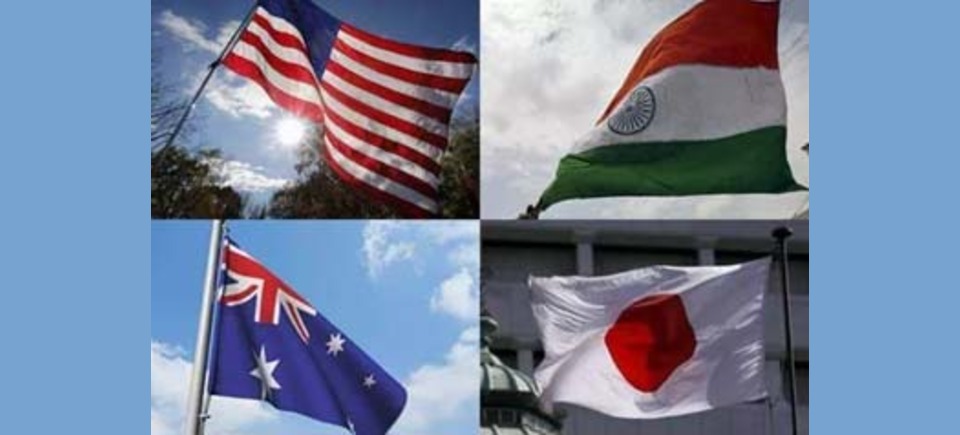
Issues of global health, climate change, and regional security challenges are rightly front and center at the moment, but economic security remains the lynchpin of the entire effort.
“The Quad has come of age.” Narendra Modi, Prime Minister
When the leaders of India, the United States, Japan, and Australia met virtually in the first-ever Quadrilateral Leaders’ Summit on Friday, they committed to strengthen their cooperation on the defining challenges of our time. Issues of global health, climate change, and regional security challenges are rightly front and center at the moment, but economic security remains the lynchpin of the entire effort.
The first Quadrilateral Dialogue took place in 2004 to coordinate the humanitarian response to a devastating tsunami. In the years since, the Quad has focused largely on maritime security, with regular meetings of senior defense officials, joint military exercises, and steps toward greater defense system interoperability. Though each Quad country has its own domestic political and geostrategic interests to consider, they all recognize a shared common interest in peace and physical security in the Indo-Pacific.
In light of the global COVID19 pandemic, the Quad leaders have enlarged their vision to encompass a free, open, inclusive, and healthy Indo-Pacific region within which countries enjoy the security to pursue bilateral interests and cooperate on transnational issues. Their commitment to expand vaccine production and equitable distribution across the region is especially timely and important, and shows the value of the Quad partnership of like-minded democracies.
Yet the current crisis also reminds us that economic security in the Indo-Pacific is equally fundamental. The pandemic showed how fragile economic supply chains can be and the extent to which a health crisis can disrupt an economy and undermine a nation’s broader national security. Along with the immediate challenge of defeating the virus, the Quad leaders know they must also deliver a robust and sustainable economic recovery. The time is ripe, then, for them to embrace a Quadrilateral Economic Dialogue.
The IMF projects the four Quad economies will rebound in 2021, with the advanced economies enjoying 2-3 percent growth and India perhaps three times above that. Though impressive, such growth is insufficient to replace that which was lost during the pandemic year. To achieve the levels of economic activity necessary for a full recovery these countries must embrace even greater trade, investment, and economic cooperation.
Given the COVID-induced strain on public finances, private capital and foreign investment are the critical elements necessary to unleash this economic potential. India would especially gain from enhanced cooperation with its Quad partners in this respect. Before the pandemic India’s bilateral trade in goods and services with the Quad countries totaled nearly $200 billion and net direct foreign investment in India from the Quad exceeded $50 billion. With cooperation and the right policy framework these numbers could grow exponentially in the coming years.
Recent efforts in India to strengthen the business climate and support private investment are positive and welcome, but more is needed. India should work with its Quad partners to reverse the counterproductive tariff policies of the past four years and show that “self-reliant India” is an invitation rather than a barrier. At home, it should further reduce impediments to investment in sectors that would benefit from greater foreign capital and know-how, and resolve long-standing tax disputes that are a drag on commercial activity.
Furthermore, the Quadrilateral dialogue will be especially useful for addressing the economic issues posed by climate change that will deeply affect India in coming years. In their joint statement the four leaders committed to redouble Quad engagement in areas such as infrastructure investment and climate finance. All four countries agree that climate change poses serious structural challenges to economic and physical security and have committed to strengthen their actions on climate mitigation, adaptation, and resilience. India should work with its Quad partners to deliver on its ambitious renewable energy goals, scale up financing for green infrastructure investment, strengthen its existing supply chains, and provide adequate financial insurance against the risk of extreme weather events.
A regular Quadrilateral Economic Dialogue would help advance all of these fundamental goals. The Quad leaders have committed their Foreign Ministers to meet together at least once a year; Finance Ministers should make a similar commitment, as a start. By focusing on economic issues in the Quadrilateral setting, India and its like-minded partners can meet the economic challenges of this unique moment and achieve the economic security necessary for a free, open, and thriving Indo-Pacific.
(The author is Senior Vice President, Financial Services, USISPF. Views expressed are personal and do not reflect the official position or policy of the Financial Express Online. )
More information
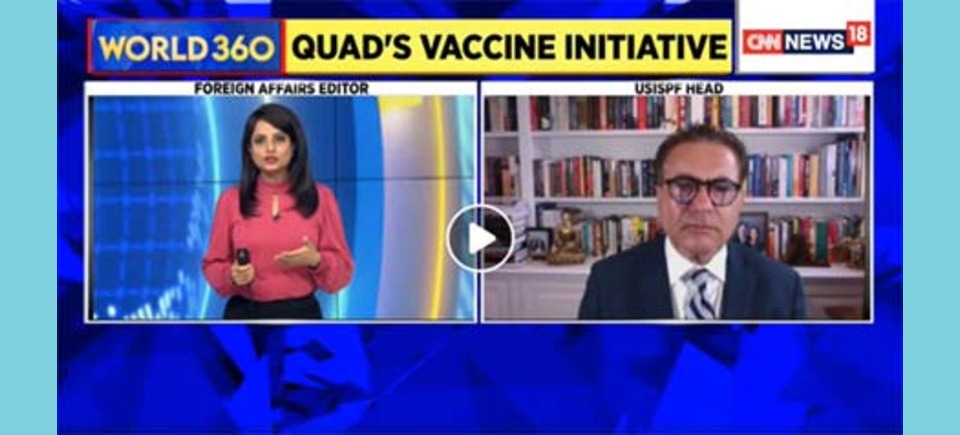

The first historic Quad leaders’ summit kicks off. Addressing the summit, PM Modi, US President Biden, Australian Prime Minister Morrison and Japanese Prime Minister Suga emphasised the need for co-operation amid the Covid-19 pandemic. Indian Prime Minister Narendra Modi says that we are united by our democratic values. We are committed to a free, open and inclusive Indo-Pacific. Our agenda today is covering areas like vaccines, climate change. Quad a force for global good. We will work together, closer than ever before. Will promote a secure, stable & prosperous Indo-Pacific. But, how will the summt affect the geopolitical landscape? Watch the debate with Tamanna Inamdar, Tanvi Madan, Director – The India Project & Senior Fellow – Foreign Policy, Brookings Institution, Mukesh Aghi, President & CEO, US India Strategic Partnership Forum (USISPF) and Ambassador Leela K Ponappa, Former Career Diplomat & Former Dy NSA.
More information

On March 4, 2021, US-India Strategic Partnership Forum led a timely session on“Learnings from the Pandemic and Future of US- India Collaboration in Bio-Pharmaceuticals” at the Global Bio India 2021 conference. Senior leaders from United States along with representatives frommultinationals who are global leaders in developing vaccines, biologics, and advanced therapies joined the session including Pfizer, J&J, Thermo Fisher Scientific, Sanofi Genzyme, Cytiva, and Covance.
Participation from the government of India included:
- Dr Alka Sharma, Scientist G, Department of Biotechnology, Ministry of Science & Tech, Government of India
- Dr V G Somani, Drug Controller General India, CDSCO, Ministry of Health and Family Welfare
- Dr Jyoti Malik Logani, Scientist E, DBT, Ministry of Science and Technology, Govt. of India
- Dr. Shirshendu Mukherjee, Mission Director PMU, BIRAC
- Dr Manish Diwan, Head, Strategic Partnership and Entrepreneurship Development, BIRAC
The discussions at the USISPF organised session saw several notable industry recommendations, which included:
- Regulatory harmonisation and eliminating regulatorybarriers to simplify healthcare service delivery and create an ecosystem for innovation.
- Adopt best practices employed during the pandemic to achieve growth and innovation in the healthcare sector
- Need to develop a systematic disease surveillance system in order to create a single and reliable source of information and epidemiological data.
- Innovation through collaboration as the key to overcoming healthcare challenges and introduce new innovations in the market.
- Necessity to explore inter-industry and inter-governmental strategic partnerships to achieve healthcare goals.
- The government must also facilitate collaborations between the industry and the academia to pool in their expertise for a robust knowledge system
- Need for patient registries in the interest of Indian patients and recommendation for public-private collaboration to develop a single source to help plan better trial placement in India.
- Establishment of a Centre of Excellence for Cell and Gene Therapy at DBT to identify areas to facilitate innovation and creation of an ecosystem within India to become the global leader in the field of cell and gene therapy.
- Adult immunization against VaccinePreventable Diseasesneed enhanced focus in post pandemic era to achieve goals on preventive and promotive health.
The Drug Controler General of India, Dr. V.G. Somani assured the participants companies that the department will look into establishing an institutionalised patient registry. He also underlinedthe government’s efforts to promote advanced therapies and products. Additionally, Dr. Somani assured industry members that the department is striving to work in cooperation with the regulatory bodies and regulatory harmonisation is a priority.
Dr. Alka Sharma said that the DBT has been instrumental in the funding and consolidation of efforts to curb the pandemic. She emphasised on the need to elevate knowledge and technology cooperation between India and the US to collectively fight the current pandemic.
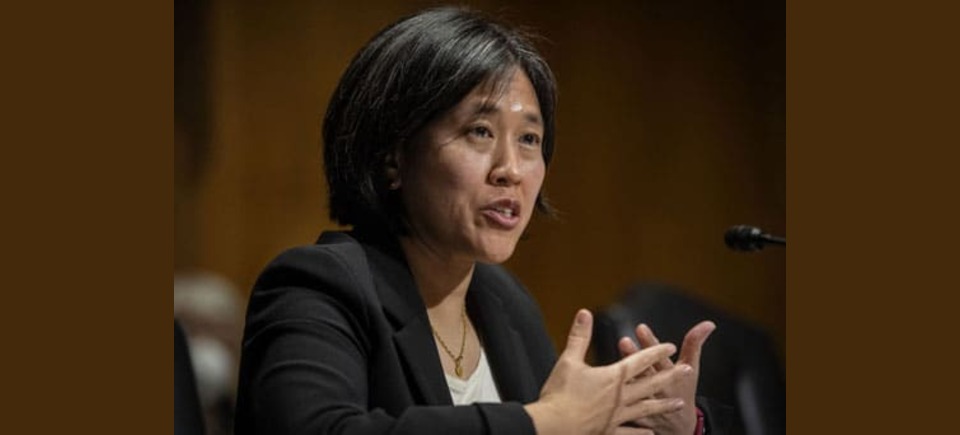
Above: Katherine Tai speaks during her confirmation hearing in Washington, D.C. on Feb. 25. Source: Bloomberg
On February 25, 2021, the Senate Finance Committee held hearings on the nomination of Katherine Tai to become the next United States Trade Representative. Ms. Tai currently serves as the Chief Trade Counsel for the US House Committee on Ways and Means. As the Chief Trade Counsel, she has played a significant role in the House’s negotiations with the former Trump administration regarding the US-Mexico-Canada Agreement (USMCA).
In her opening remarks, Tai stated that her first priority would be to help American communities emerge from the pandemic and related economic crisis. With regard to trade specifically, she discussed the importance of a worker-focused trade policy.
Some key responses on questions related to US-India bilateral trade:
- Market access: India is a key market for Washington state apples, and prior to the imposition of tariffs of up to 70% by India, the value of the market for Washington apples was $120 million – today the value of the market is around $4.9 million. India has called for the requiring of certification that export shipments are free of genetically engineered crops, additionally, India will close its market for apples originating in the US on March 1st if no agreement has been reached between the two countries. Under the former Trump administration, India’s preferential trade status under the GSP program was terminated. When questioned by Senator Cantwell (D-WA) about ensuring India keeps its markets open to the US apples market as well as reducing their tariffs, Tai responded positively, stating she “understand[s] the detrimental effects that India’s tariffs have had on Washington apple exports…” and is looking forward to working to support Washington’s growing apple industry.
- Digital Services: There is concern regarding India’s recent wave of digital protectionist policies, especially with regard to their move to restrict foreign investment in e-commerce, sweeping requirements to localize data, and proposals to expropriate proprietary information from US companies. The USTR Section 301 report criticizing India’s discriminatory digital tax was also brought up. When questioned by the committee, specifically by Senator Cornyn (R-TX), on committing to making digital trade and services commitments a priority for bilateral economic engagement with India, Tai responded by saying, “If confirmed, I will work with my colleagues at the Treasury Department to address the digital services taxes in the context of the multilateral effort to limit tax competition and address base erosion and profit shifting through the OECD/G20 process.”
- In response to further questioning on India’s growing digital protectionism, Tai responded by acknowledging India’s fast-growing economy, the opportunity it presents for American exporters, and the ongoing challenge of balancing the interests of the United States with that of India’s.
- Economic Reforms: Deepening the relationship with India is necessary to counter China’s growing influence, but it was noted that India needs to make a range of market access and liberalization reforms before any progress on FTA negotiations can be made. Senator Warner (D-VA) brought up the issue of the numerous trade barriers in the Indian market related to agriculture, digital trade, and other significant issues, to which Tai responded by further acknowledging the importance of India as one of America’s largest trading partners as well as addressing the fact that the, “Indian government has erected a number of trade barriers that unfairly disadvantage American exporters…strengthening our trade and economic relationship serves the interest of both countries.”
- Trade Agreements: Senator Young (R-IN) agreed with President Biden’s comments on how the US should be setting global trade policies and how he will not sign new trade agreements unless India increased investments in the US. Current trade talks between the two countries are at a stand-still as the Biden Administration is focused on recovering the domestic economy. When pressed further on how the Biden administration will improve trading relationships with India as well as potential for broader trade agreement negotiations and trade issues that will be prioritized, Tai remained firm in her commitment to engaging with India to resolve many of these issues in order to serve the interest of both countries.
Noted as an ‘experienced trailblazer who deserves swift confirmation’, if confirmed to the position of US Trade Representative, Katherine Tai would be the agency’s first woman of colour to take up the mantle in a historic nomination.