
News Month: September


The recent G20 Summit in New Delhi emphasized climate action, energy security, climate finance, and the transition to a clean energy economy.
The US-India Strategic Partnership Forum (USISPF) and ReNew, working together with the Consulate General of India in New York, hosted a special meeting during Climate Week 2023 in New York City. They talked about the “US-India Climate Partnership and Emerging Opportunities.”
Key attendees included Geoffrey Pyatt from the US State Department, Ms Enoh Ebong from the US Trade and Development Agency (USTDA), Ms Anjali Kaur from the United States Agency for International Development (USAID), Reta Jo Lewis from the Export-Import Bank of the United States, Randhir Jaiswal (the Indian Consul General in New York), Dr. Mukesh Aghi (President and CEO of USISPF), Sumant Sinha (Founder, Chairman, and CEO of ReNew), Brad Crabtree (Assistant Secretary for the U.S. Department of Energy), and Ambassador Ruchira Kamboj (Permanent Representative of India to the United Nations).
This event brought together business leaders from the clean energy industry and government officials at the Indian Consulate in New York City. They discussed exciting opportunities for the US-India partnership in clean energy, research, and innovation.
During the event, they unveiled a report called “India’s global leadership on climate action.” This report launch was attended by Randhir Jaiswal, Mukesh Aghi, and Sumant Sinha, along with prominent government officials, industry leaders, and academics.
The United States and India are leading the global shift toward clean energy. They are cooperating in various areas such as energy supply chains, finance, business partnerships, and research and development.
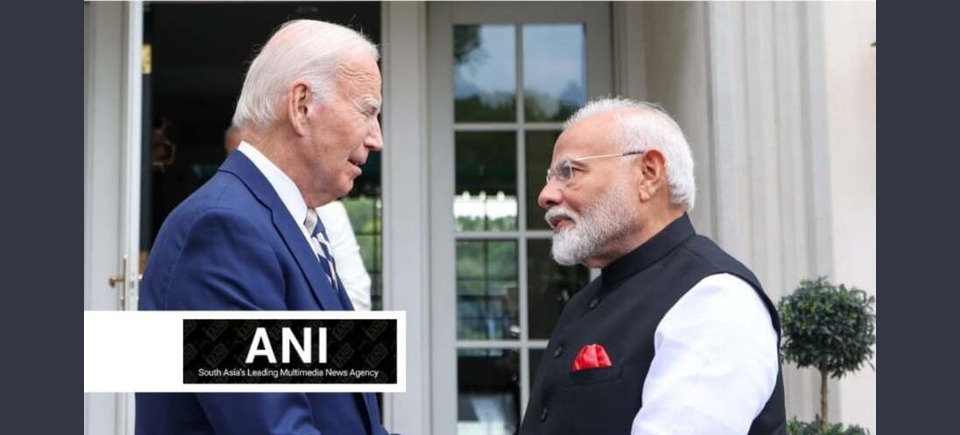
One of the main goals discussed was helping countries and communities achieve their 2030 emissions reduction targets. These discussions build on the commitments made by President Joe Biden and Prime Minister Narendra Modi during his visit in June 2023. India is taking a strong stance on climate change action, with Prime Minister Modi mentioning India’s progress in solar energy and natural farming at the G20 Summit.
The recent G20 Summit in New Delhi emphasized climate action, energy security, climate finance, and the transition to a clean energy economy. Prime Minister Modi highlighted India’s role in addressing global crises and the challenges posed by geopolitical conflicts on energy prices.
Sumant Sinha, the Founder, Chairman, and CEO of ReNew, stressed the importance of global cooperation in tackling climate change. He praised India’s efforts in green hydrogen and carbon markets and the United States’ commitment to renewable energy and carbon capture research.
Randhir Jaiswal, India’s Consul General in New York, highlighted the significance of the US-India Strategic Clean Energy Partnership (SCEP) in achieving 2030 climate goals. He also noted India’s leadership in promoting green initiatives globally.
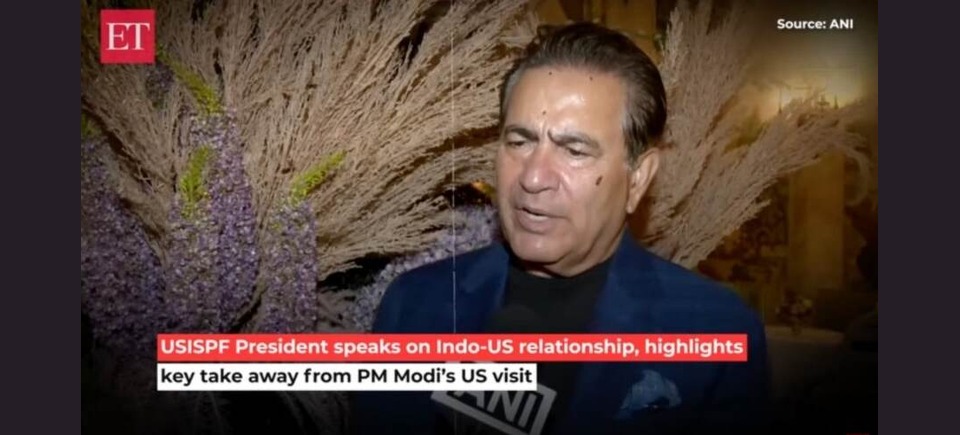
Mukesh Aghi, USISPF President and CEO, underlined the focus on hydrogen as a crucial energy source for global decarbonization. He mentioned the collaboration between Washington and New Delhi in supporting each other’s hydrogen missions and the positive impact on employment opportunities in India’s clean energy sector.
In essence, this event showcased the strong collaboration between the United States and India in addressing climate challenges and advancing clean energy solutions.
More information
https://www.financialexpress.com/business/defence-fueling-a-greener-future-us-india-partnership-for-clean-energy-and-climate-action-3251794/
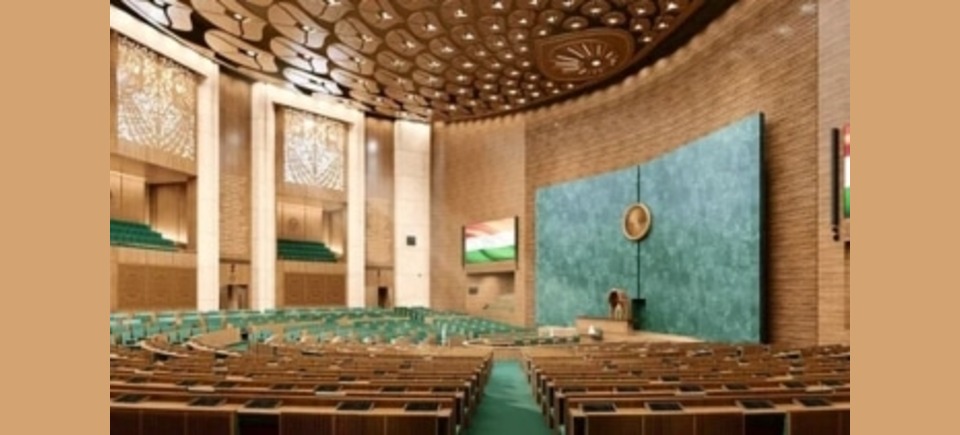
At present, women make up for nearly half of India’s 95 crore registered voters but account for only 15% of lawmakers in Parliament and 10% in the state assemblies.
A bill to reserve one-third of the seats in the Lower House of India’s Parliament and state assemblies for women is a transformative piece of legislation and a push for gender parity and egalitarianism, the US-India Strategic Partnership Forum (USISPF) has said.
In a statement issued on Friday, USISPF president Mukesh Aghi also underlined the importance of having more women at the top of decision-making bodies in the world’s largest democracy.
The watershed bill received the Parliamentary nod on Thursday as Rajya Sabha voted unanimously in favour of it.
Prime Minister Narendra Modi thanked the MPs for supporting the legislation and said once more women assume leadership roles and join the nation-building process, they will become a guarantee of the country’s bright future.
Aghi said, “This is a major step by the Indian government and the honourable Prime Minister Shri Narendra Modi in achieving gender equality and increased representation”. India was one of the first countries in the world to have a woman prime minister and has had two women presidents, he noted.
“In the world’s largest democracy and now the most populous nation in the world, it behoves to have more women in the highest echelons of decision-making bodies. This bill is a transformative piece of legislation and is a push for gender parity and egalitarianism”, he added.
At present, women make up for nearly half of India’s 95 crore registered voters but account for only 15% of lawmakers in Parliament and 10% in the state assemblies.
More information
https://www.bqprime.com/nation/indias-womens-reservation-bill-is-a-transformative-piece-of-legislation-usispf


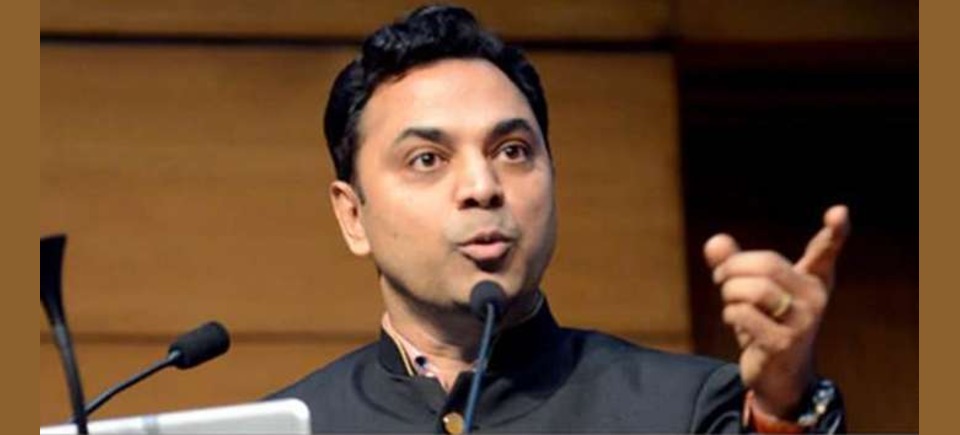
During the current fiscal, CEA KV Subramanian said that growth would be in double-digits and it could moderate to 6.5 – 7 per cent in the next financial year.
This decade will be India’s decade of inclusive growth during which it will clock over 7 per cent annual growth on the back of strong economic fundamentals, Chief Economic Adviser KV Subramanian has said, highlighting the country’s reform process and its ability to convert the crisis into an opportunity that helped it to stand out from the rest of the world.
Exuding confidence over India’s economic potential, Subramanian told an American audience from the corporate sector that “the fundamentals of the economy were strong, even before the pandemic. There were only financial problems.”
“Mark my words, this decade will be India’s decade of inclusive growth. In FY’23, we expect growth to be between 6.5 to 7 per cent and then accelerating further as the impact of these reforms is seen,” he said while addressing a virtual event organised by the US-India Strategic Partnership Forum (USISPF) on Wednesday.
“On average, I expect growth to be greater than 7 per cent in this decade for India,” Subramanian said.
During the current fiscal, he said, growth would be in double-digits and it could moderate to 6.5 – 7 per cent in the next financial year.
The Economic Survey 2020-21, released in January this year, had projected GDP growth of 11 per cent during the current financial year ending March 2022. The Survey had said growth will be supported by supply-side push from reforms and easing of regulations, infrastructural investments, boost to manufacturing sector through the Production-Linked Incentive (PLI) schemes, recovery of pent-up demand, increase in discretionary consumption subsequent to the rollout of vaccines and pick up in credit.
“When you look at the data itself, the V-shaped recovery and the quarterly growth patterns actually establish the fundamentals of the economy are strong. Looking forward, the kind of reforms that we’ve done and the supply side measures that we’ve taken will enable actually strong growth not only this year going forward as well,” said the top Indian economist.
Growth will be aided by various structural reforms, including labour and farm laws, undertaken by the government, he said.
Subramanian said from the long-run perspective, India is the only country that for the last 18 to 20 months has done so many structural reforms.
“India actually in its economic thinking has stood out from the rest of the world, not only in terms of the reforms that have been done but by converting the crisis into an opportunity,” he said.
Observing that every other large economy that has only done demand side measures, Subramanian said in contrast, India is the only country that has done supply side as well as and demand side measures. The post-COVID-19 economy in India actually will be very different from the pre-COVID-19 economy, he said.
In the last seven years, the current Indian government has demonstrated the ability to be able to administer welfare programmes very well, cutting out the inclusion and exclusion errors and targeting them well, he said.
“So that having already been achieved, now we need to basically have a macro-economic objective being growth and growth alone, and not sort of conflicted with your inequality in equity, because these welfare programmes doing it well, will enable in reducing inequality in the process. They will put money in the bottom half of the income pyramid and thereby, also generate enormous demand, aggregate demand and reduce inequalities,” Subramanian said.
More information
https://www.indiatvnews.com/business/news-expect-more-than-7-per-cent-growth-for-india-this-decade-cea-kv-subramanian-737540
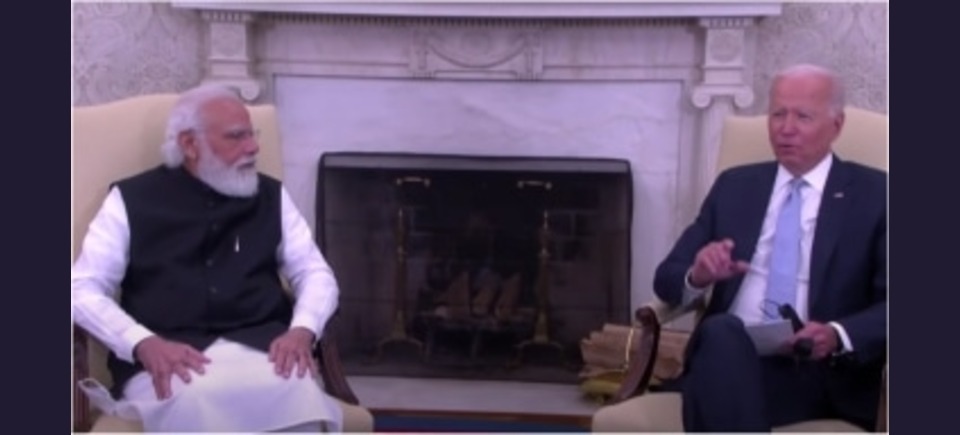
New Delhi, Sep 30 (PTI) In the post-pandemic world, the Indo-US relationship is ready to scale new heights and the recent meeting between Prime Minister Narendra Modi and US President Joe Biden set the tone for enhanced ties, Tata Sons Chairman N Chandrasekaran said on Thursday.
Speaking at the US-India Strategic Partnership Forum (USISPF) annual leadership summit, Chandrasekaran also said the two countries can play a significant role in the development of infrastructure in India, considering how they have helped each other during the pandemic.
“In particular, I believe the US-India relationship, bolstered by each country helping the other during this trying time, is ready to scale new heights,” he said while accepting the USISPF Global Leadership Award.
He further said,” The rebalancing of the global supply chains, transition to sustainable future, the dramatic acceleration in digital, and the future investments that are necessary in healthcare and education, provide huge opportunities for both countries to work constructively together to make the world a better place”.
Asked about the significance of the recent meeting between Modi and Biden in the US, Chandrasekaran said, “First of all, let me say that these meetings are historic, and they make a significant impact because they set the tone. US and India, all of us know, especially in business, we are natural partners and allies.”
While there may be cooperation at the defence level or any other sphere, he said, “At the business level in terms of the economic impact that we can make on each other, is just humongous.”
Stating that both leaders emphasised on how the two countries can work with each other, he said, “It’s a very strong signal, and many things will happen. And we should be at least aspiring to increase our trade…”
Reiterating that India can emerge as a “very, very important player in the rebalancing of the new global supply chain”, he said, “We should create a resilient global supply chain. We should move from just in time to just in case supply chains so that the global system doesn’t fail.”
The world faced issues in the supply chain, not only in terms of economic activity and businesses production, but also in procuring medical assistance during the pandemic, he noted.
“In the post-pandemic world, India and the US can play a significant role in the development of infrastructure in India, in the whole digital area, and defining the complex issues around data,” Chandrasekaran asserted.
Citing the example of Aadhaar, Chandrasekaran said India has built some of the leading world class platforms and more such things can be done.
“I see a very big opportunity in education, a very big opportunity in healthcare based on digital platforms that will be linked to the physical things on the ground,” he added.
The chairman of Tata Sons, the holding firm of the Tata conglomerate, also said the group is “already building a telecom network solution stack, 4G, 5G and beyond and we are investing in electronics across the board. We are looking at a number of other areas.”
Urging lessons learnt from the pandemic, such as developing the COVID-19 vaccine in such a short time, to be put to better use, he said,”So how do we leverage this speed and agility in the entire needs of all types of categories, and this is a very pivotal moment.”
While children in urban areas could learn and shop through digital means during the pandemic, a lot of village kids lost almost two years of their education because of the lack of access to infrastructure and digital devices, Chandrasekaran said.
“It is going to make a huge impact and we are going to feel that, but we should make a resolve to fix that, to provide that kind of infrastructure that is necessary,” he asserted.
More information
https://www.theweek.in/wire-updates/business/2021/09/30/del109-biz-india-us-chandrasekaran.html
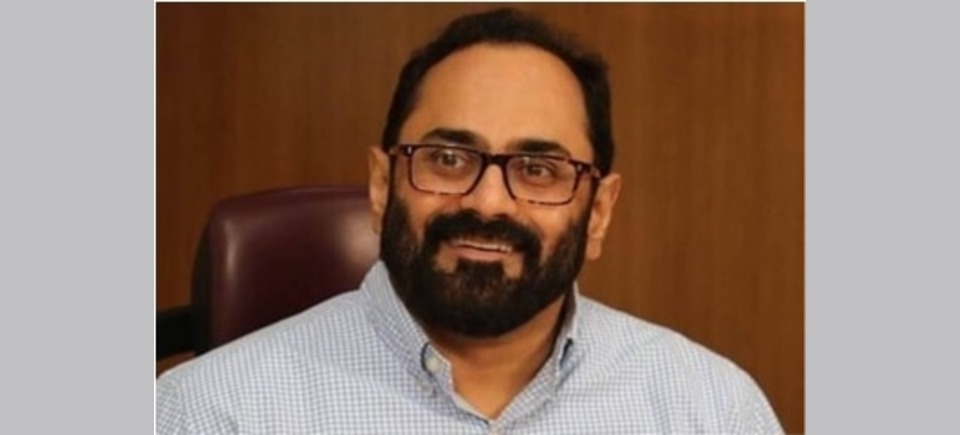
The countries will have to work together on the political level, as well as business and entrepreneurial level.
Regulatory issues regarding new technologies, open Internet and collaboration and data sharing among nations have been at the forefront of several discussions lately. The Indian government is working on the pertaining issues like many other countries, especially after the rapid digital transformation accelerated by the pandemic. Rather than leaving it to the market forces, democratic governments need to play an active role in shaping the future of technology, open and safe Internet, Rajeev Chandrasekhar, Minister of State (MoS), Electronics and IT, said at the Annual Summit of USISPF Forum. “The future of technology should not be left to some sort of dynamic that is driven only by entrepreneurs, investors. It has to be driven in a very proactive manner by the four democracies of the Quad including India, US, Australia, Japan and any other country that thinks along the same lines to have open communities,” Chandrasekhar said while addressing a virtual event organised by the US-India Strategic Partnership Forum (USISPF) on Thursday.
According to Chandrasekhar, there is a need for political understanding among these four-five countries for the future of technology. Countries such as India and the US will have to work together on the political level, as well as business and entrepreneurial level, he added. He emphasised on the emerging needs for dialogues on data protection, cross-border data flow, adding that such conversations must start formally. Without proper bilateral or global conversations, there are chances of having very differential rules and regulations across countries that can put one set of consumers at a disadvantage.
In the session moderated by Neal Mohan, chief product officer, YouTube, Chandrasekhar also spoke on the opportunities created by technology. Despite the catastrophic impact of the pandemic on the Indian economy, it has bounced back with resilience and the investment in digital India has contributed to the recovery significantly.
“One of the sectors of the economy that is doing well is the tech segment. Apart from the short-term setbacks in the first two quarters of the pandemic, the tech space has taken off. And for a lot of people that has been a reset of ambitions. They look at the post-Covid world as a place full of opportunities,” he said.
Asked about the avenues opened up by digital platforms and tech companies for the creative economy, he said digital technology has completely upturned the conventional creative models and industries in India, he noted. The stronger internet connectivity, increasing Internet penetration, and inexpensive devices have created a new wave of innovation. “I have never seen in my life this kind of creative explosion,” he noted.
“There is a significant behavioural change among citizens and the government is catching up gradually. We are really reinventing our model, whether it’s skilling or creativity or producing content. This is the fact that the disruption is deep and permanent. And I think this is the new normal that technology is creating new heroes every day, whether they’re unicorns in the tech space or they are content creators,” he concluded.
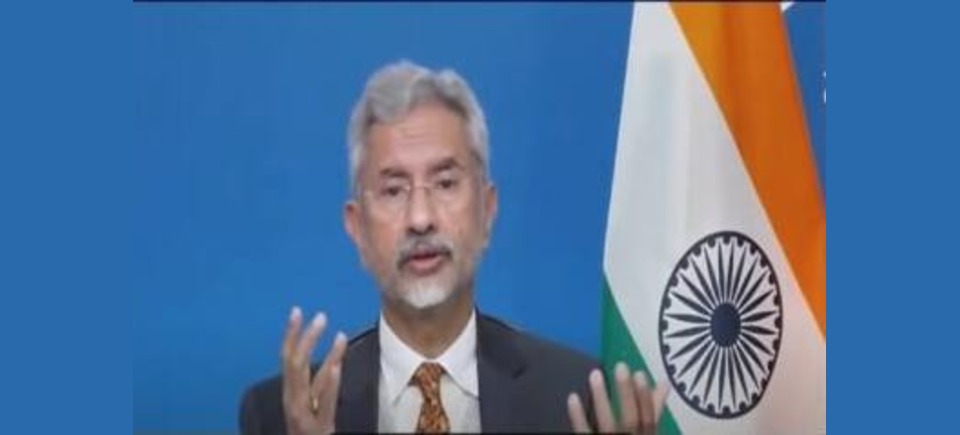
New Delhi [India], September 30 (ANI): Amid the fast-changing situation in Afghanistan, External Affairs Minister (EAM) S Jaishankar on Thursday said India doesn’t have the luxury to sit back and look at a “tumultuous” situation in the region.
Jaishankar made these remarks during the interaction at US-India Strategic Partnership Forum. These remarks were made amid several geopolitical developments, especially those in Afghanistan that is threatening regional stability.
While answering a question on the changing geopolitical landscape, Jaishankar said that it is important for India to participate and shape the unfolding situation in the region to ensure that it goes “in the right way.”
“We don’t have the luxury of sitting back and looking at it. This is a tumultuous and very dynamic situation. So it is important to shape it and participate in it, to ensure that it goes in the right way for us and the rest of the world,” he said.
The minister said that many of the challenges including the situation in Afghanistan and security concerns in the Indo-Pacific region are India’s major preoccupations.
“I think when we look at what happened in Afghanistan and the region. This is going to have very very significant consequences for us and the rest of the world, EAM Jaishankar said.
“When we look to the east of India towards the Indo Pacific. The importance of ensuring that life goes on basis of broad principles and the concepts that the international community is comfortable with,” he added.
He further emphasised that it is important for India that its prosperity and growth should become a lifting tide for the region. “And that the choices made in the region, not by us, and by our neighbours as well, should be supportive of a much more multipolar, democratic and much more rebalanced global situation.”
He added that “There is plenty to do and we are at it.” (ANI)
More information
https://www.aninews.in/news/world/asia/what-happened-in-afghanistan-will-have-significant-consequences-says-eam-jaishankar20210930232044/
Welcome to hindustantimes.com live updates platform where you can find breaking news from India and across the world. Find fast updates about the latest news as it breaks.
Missed an important news update? Worried about what is happening in the world of finance and how it will impact you? Want to know about the latest update on Covid-19? Don’t worry, we have you covered.
Follow all the updates here:
Sep 30, 2021 10:50 PM IST
‘Quad a peaceful resolution, not against somebody’: S Jaishankar
External affairs minister S Jaishankar said that the Quad was a peaceful resolution and was not “against somebody”, reports ANI.
“It’s important not to be railroaded into some kind of negative discourse & we should not fall for it. We should be positive,” he said.
Sep 30, 2021 10:44 PM IST
‘Afghanistan presents issues for the region, Indo-Pacific should be based on rules-based order’: S Jaishankar
Afghanistan presents issues for the region, the Indo-Pacific is an important region and should be based on a rules-based international order and respecting territorial integrity: EAM S Jaishankar at USISPF Annual Leadership Summit
External affairs minister S Jaishankar said that the Indo-Pacific is an important region and should be based on a “rules-based international order”, reports ANI.
More information
https://www.hindustantimes.com/india-news/breaking-news-updates-september-30-2021-101632958646285.html
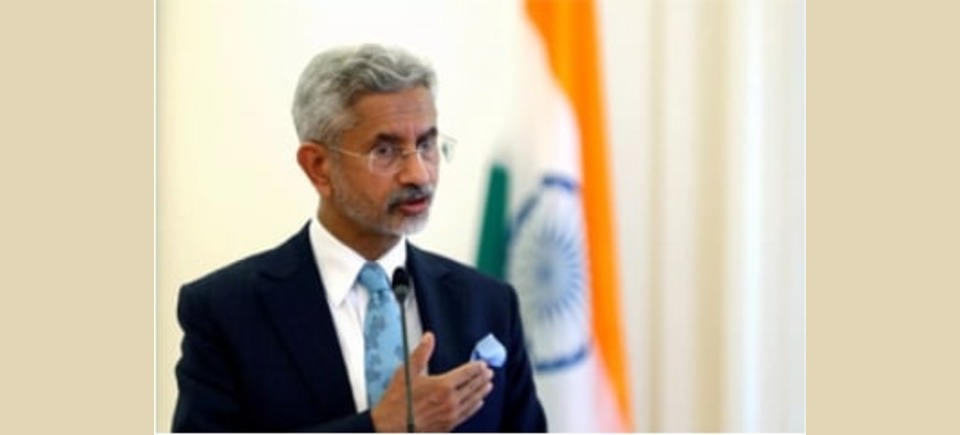
The Indo-Pacific is an important region and should be based on a rules-based international order and respecting territorial integrity, he said.
Addressing the annual summit of the US India Strategic and Partnership Forum (USISPF), External Affairs Minister S Jaishankar said that the current political situation in Afghanistan is concerning for India and that the Indian government is still studying the effects it sees emerging from the Taliban takeover in the Indo-Pacific region.
“Afghanistan presents issues for the region. The Indo-Pacific is an important region and should be based on a rules-based international order and respecting territorial integrity,” Jaishankar said at the fourth Annual Leadership Summit of USISPF which began on September 29 and will go on till October 1.
“In the past, we haven’t worked together in South Asia, but that’s changing given the changing dynamics of the Indo-Pacific. The Quad platform is important on that front, and now Afghanistan too given the security factor.
“Whatever were the peace deals struck in Doha, we weren’t taken into confidence for that. The jury is still out on how this new regime governs Afghanistan. Are we concerned, yes, but we have to take time and study this,” he added.
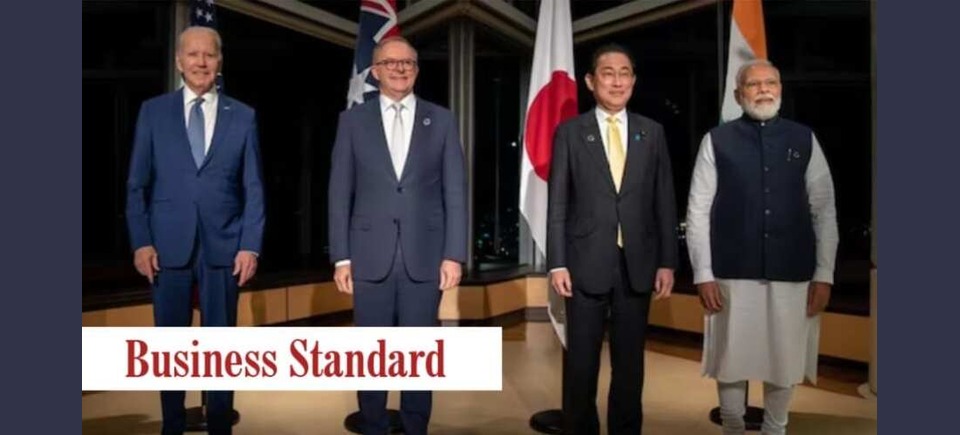
Afghanistan was also top agenda when Prime Minister Narendra Modi along with his counterparts from Australia and Japan last week attended the first in-person summit of Quad leaders hosted by US President Joe Biden. He had said that he firmly believed that the grouping of four democracies would act as a “force for global good” and ensure peace and prosperity in the Indo-Pacific as well as the entire world. In November 2017, India, Japan, the US and Australia gave shape to the long-pending proposal of setting up the Quad to develop a new strategy to keep the critical sea routes in the Indo-Pacific free of any influence, amidst China’s growing military presence in the strategic region.
Apart from Jaishankar, American political leaders, including House Speaker Nancy Pelosi and Senate Majority Leader Chuck Schumer are also among the speakers who are addressing the annual summit.
USISPF, which is a non-profit organisation committed to creating a powerful strategic partnership between the US and India, said that other Cabinet Ministers who have confirmed to address the meeting include Minister of Textiles, Minister of Commerce and Industry Piyush Goyal, Civil Aviation Minister, Jyotiraditya Scindia, Sports Minister Anurag Thakur and IT Minister Rajeev Chandrasekhar. George R. Oliver, chairman and CEO of Johnson Control; Ajay Singh, chairman and managing director of SpiceJet; Nik Deogun, CEO of the Americas and US Senior Partner of Brunswick Group; Nelson Cunningham, president and co-founder, McLarty Associates; are among other speakers from the corporate sector.
Several top Indian bureaucrats are also scheduled to speak at the summit. Prominent among them being Prof. VK Paul, member, NITI Aayog, Dr Randeep Guleria, Director of All India Institute of Medical Sciences, Rita Teaotia, chairperson, Food Safety and Standards Authority of India, Dr Renu Swarup, Secretary, DBT, and S. Aparna, Secretary, Department of Pharmaceuticals, Ministry of Chemicals and Fertilizers.
More information
https://www.news18.com/news/india/jury-still-out-at-usispf-jaishankar-addresses-security-concerns-emerging-from-afghanistan-4268348.html
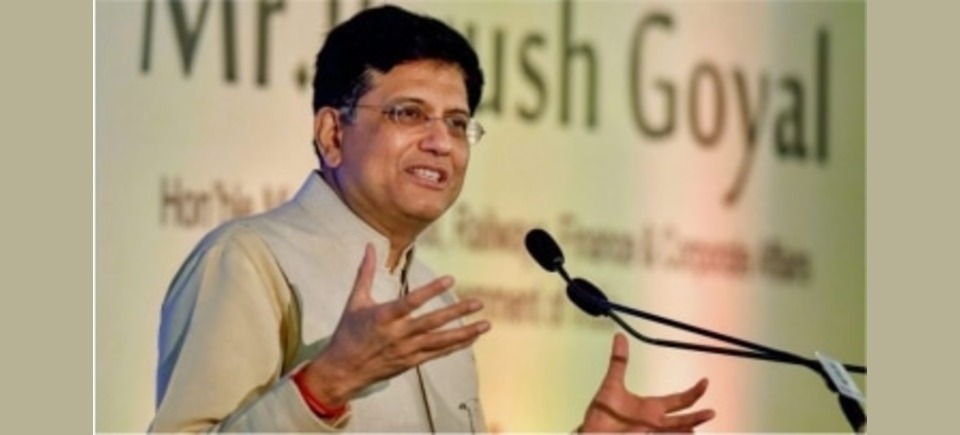
The Commerce Minister also called for setting an ambitious bilateral trade target of $1 trillion in the next 10 years
India and the US should engage in a much bigger way and New Delhi is ready and willing to expand the economic partnership with America, Commerce and Industry Minister Piyush Goyal said on Wednesday.
He also called for setting an ambitious bilateral trade target of $1 trillion in the next 10 years.
More information
https://www.thehindubusinessline.com/economy/india-ready-to-expand-economic-partnership-with-us-goyal/article36747268.ece
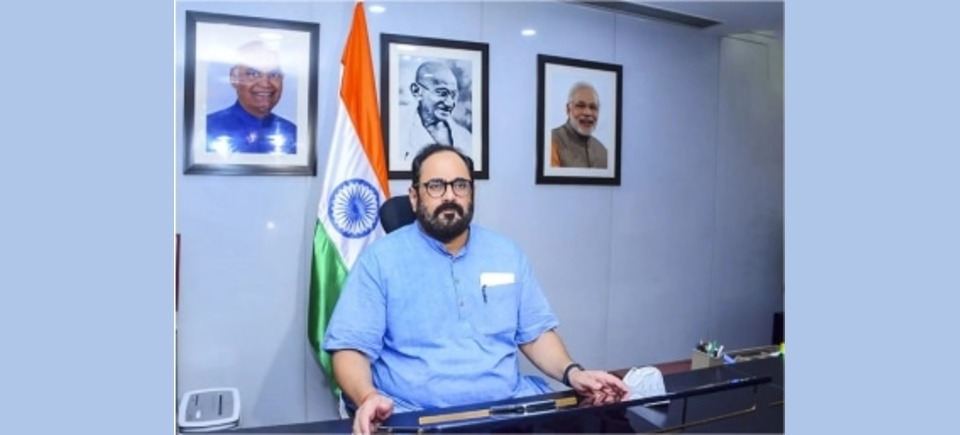
Synopsis
The government has accelerated efforts to start chip manufacturing in the country and is reportedly in talks with Taiwan to bring a $7.5 billion fab unit to India soon.
The government is working on a policy roadmap to create champions in the design of electronic systems and semiconductors in India and hopes to announce new initiatives in this regard from as early as next month, minister of state for electronics and IT Rajeev Chandrashekhar said.
His ministry is working hard to realise the agenda of having a semiconductor fabrication unit (fab) in India and it should materialise in the next 3-5 years, Chandrashekhar added.
“We have champions in the software space, we have champions on the internet and fintech and many other areas that are essentially software driven, but (not many) in the electronic systems design space, in the semiconductor design space…,” he said while speaking at the Global FinTech Festival (GFF) 2021 on Wednesday.
“As part of broadening and deepening our electronics manufacturing and electronics capabilities, we have a plan that was very quickly worked on after I joined the ministry on July 7, and you will be seeing this being rolled out in October,” Chandrashekhar added.
India does not want to be a country that only does the software piece, he said.
“We want to be capable providers, global leaders in the systems design part, and with some luck, semiconductor design. If the Prime Minister’s vision really plays out, we will soon have a fab in this country in the next three to five years,” he said.
The government has accelerated efforts to start chip manufacturing in the country and is reportedly in talks with Taiwan to bring a $7.5 billion fab unit to India soon.
He also said Indian IT firms need to seize the ‘Y2K-like’ moment that the post-Covid-19 world has thrown up and that they have to play a bigger role in upskilling talent at scale to take advantage of the opportunity, sparked by increased digitisation due to the pandemic.
“The world has dramatically changed, the rapid pace of digitisation has just gone through the roof, and therefore the demand for digitisation and talent is also going to commensurately go sky high…we must recognise that we are in the post-Covid-19 world, in almost a Y2K-like moment for the Indian tech space,” he said.
“We are at an unprecedented inflection point in terms of opportunities for growth. If we don’t make the move quickly, somebody else will take this breakfast and lunch,” Chandrashekhar added.
ET reported last week that skill and talent development are a key part of the Ministry of Electronics and IT (MeitY)’s 1,000-day agenda to reach the $1 trillion digital economy goal. The government aims to create a 10-million-strong skilled IT manpower in three years.
“…industry and industry associations have to step up, I think, and do a lot more, especially in this post-Covid era. We are 100% committed to putting our money into the budget for training and skilling, expanding the network…the industry needs to seize this opportunity and look at skilling as a big challenge for which they need to play a bigger role,” he said.
On the fintech segment, Chandrasekhar said the financial sector has “dramatically transformed to include fintech as a very critical, integral component of the financial economy.”
“It has expanded opportunities for entrepreneurship, innovation, and jobs. Without doubt, it is now receiving large doses of investment, both domestic and foreign; it has created entrepreneurship, unicorns, leading-edge, confident, ambitious entrepreneurs who are going out there and unambiguously leading the world in terms of the platforms and solutions that they are putting out there,” Chandrashekhar added.
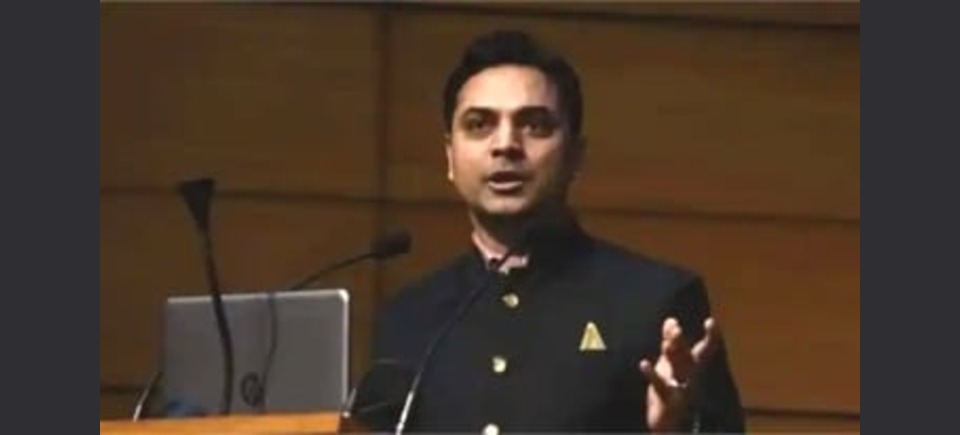
India in its economic thinking has stood out from the rest of the world, not only in terms of reforms but by converting the Covid crisis into an opportunity, he said.
Washington: This decade will be India’s decade of inclusive growth during which it will clock over 7 per cent annual growth on the back of strong economic fundamentals, Chief Economic Adviser K V Subramanian has said, highlighting the country’s reform process and its ability to convert the crisis into an opportunity that helped it to stand out from the rest of the world.
Exuding confidence over India’s economic potential, Subramanian told an American audience from the corporate sector that “the fundamentals of the economy were strong, even before the pandemic. There were only financial problems.”
Mark my words, this decade will be India’s decade of inclusive growth. In FY’23, we expect growth to be between 6.5 to 7 per cent and then accelerating further as the impact of these reforms is seen,” he said while addressing a virtual event organised by the US-India Strategic Partnership Forum (USISPF) on Wednesday.
“On average, I expect growth to be greater than 7 per cent in this decade for India,” Subramanian said.
During the current fiscal, he said, growth would be in double-digits and it could moderate to 6.5 – 7 per cent in the next financial year.
The Economic Survey 2020-21, released in January this year, had projected GDP growth of 11 per cent during the current financial year ending March 2022.
The Survey had said growth will be supported by supply-side push from reforms and easing of regulations, infrastructural investments, boost to manufacturing sector through the Production-Linked Incentive (PLI) schemes, recovery of pent-up demand, increase in discretionary consumption subsequent to the rollout of vaccines and pick up in credit.
When you look at the data itself, the V-shaped recovery and the quarterly growth patterns actually establish the fundamentals of the economy are strong. Looking forward, the kind of reforms that we’ve done and the supply side measures that we’ve taken will enable actually strong growth not only this year going forward as well, said the top Indian economist.
Growth will be aided by various structural reforms, including labour and farm laws, undertaken by the government, he said.
Subramanian said from the long-run perspective, India is the only country that for the last 18 to 20 months has done so many structural reforms.
India actually in its economic thinking has stood out from the rest of the world, not only in terms of the reforms that have been done but by converting the crisis into an opportunity, he said.
Observing that every other large economy that has only done demand side measures, Subramanian said in contrast, India is the only country that has done supply side as well as and demand side measures.
The post-COVID-19 economy in India actually will be very different from the pre-COVID-19 economy, he said.
In the last seven years, the current Indian government has demonstrated the ability to be able to administer welfare programmes very well, cutting out the inclusion and exclusion errors and targeting them well, he said.
So that having already been achieved, now we need to basically have a macro-economic objective being growth and growth alone, and not sort of conflicted with your inequality in equity, because these welfare programmes doing it well, will enable in reducing inequality in the process.
” they will put money in the bottom half of the income pyramid and thereby, also generate enormous demand, aggregate demand and reduce inequalities, Subramanian said.
More information
https://theprint.in/economy/india-will-clock-over-7-annual-growth-this-decade-cea-k-v-subramanian-says/742929/
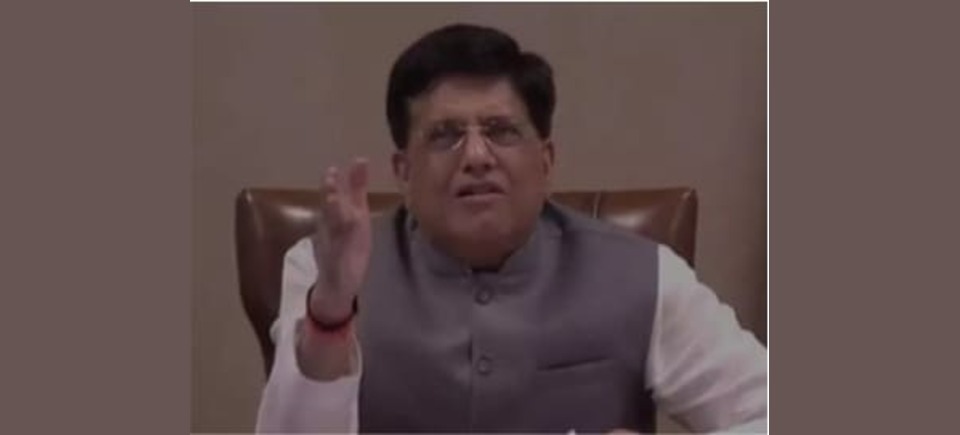
Synopsis
“I’m happy to look at a trillion dollar target for the next 10 years between the US and India. I’m happy to engage with the US, and look for expanding our economic partnership so that then all four members of the QUAD would have very strong economic ties with each other,” Goyal said at an event organised by the US-India Strategic Partnership Forum (USISPF).
Commerce and industry minister Piyush Goyal on Wednesday said that India and the US can aim for a bilateral trade target of $1 trillion in the next ten years and that talks on a free trade agreement got stuck in red tape despite getting concluded many times but India was not responsible for it.
“I’m happy to look at a trillion dollar target for the next 10 years between the US and India. I’m happy to engage with the US, and look for expanding our economic partnership so that then all four members of the QUAD would have very strong economic ties with each other,” Goyal said at an event organised by the US-India Strategic Partnership Forum (USISPF).
India, Japan, Australia and the US comprise the QUAD.
“We already have an FTA with Japan; we are working on an early harvest FTA with Australia. So now its up to the U.S. and India to engage in a much bigger way and I would urge you impress upon your administration,” he said.
The US is India’s second largest trading partner with bilateral trade of $80.5 billion in FY21.
“And unless you take some very ambitious targets, we will never get there,” he said.
The two sides had been working on finalising a trade agreement for almost two years but last month, Goyal said that the US, as of now, has indicated that they are not looking for new trade agreements, but will work on market access issues on both sides.
“We had actually concluded discussions, maybe three or four times. But it would always get stuck somewhere in red tape and for a change. India was not responsible,” Goyal said at the USISPF event.
The minister said that “unfortunately it didn’t work out”.
On being asked about non-tariff barriers that India has put in place, Goyal said that India also faces “a lot of” non tariff barriers while exporting to the US to Europe.
“So these non tariff barriers are there in all countries, but we can’t change your standards. We can meet those standards and likewise, obviously we will expect American businesses to meet Indian standards,” he said.
As of December, 2020, 83% of Indian standards for various products were completely harmonized to internationally accepted standards.
He also said that India has not lost out because of regional pacts like RCEP as the country has trade pacts with ASEAN, Japan, Korea, Mauritius, SAFTA and in talks with Australia, and that Covid-19 has highlighted that supply chains should not be based only on one factor that is cost, but also trust.
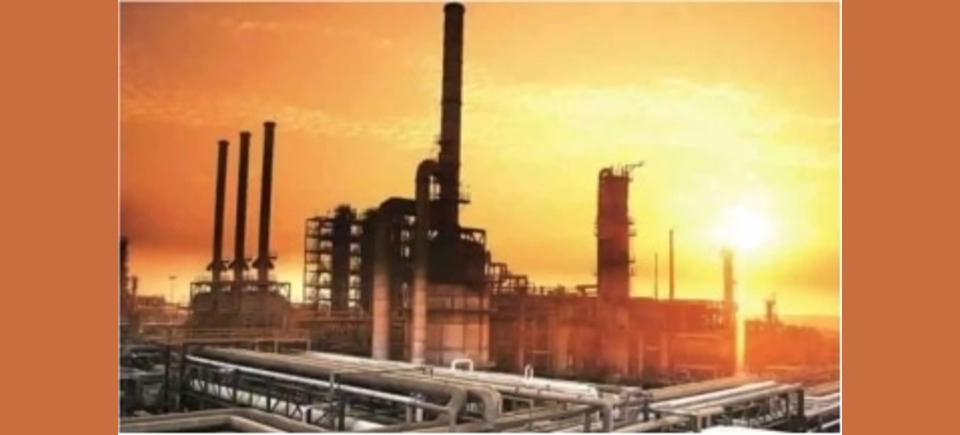
HIGHLIGHTS
Coal, natural gas, refinery products, steel, cement and electricity in focus, while crude oil and fertiliser industries decline
New Delhi: The output of eight core sectors grew by 11.6 per cent in August, mainly due to an uptick in the production of cement, coal, and natural gas, official data showed on Thursday.
The eight infrastructure sectors of coal, crude oil, natural gas, refinery products, fertilisers, steel, cement and electricity had contracted by 6.9 per cent in August 2020 due to the nationwide lockdown imposed to control the spread of Covid-19.
The eight core industries comprise 40.27 per cent of the weight of items included in the Index of Industrial Production (IIP). According to the commerce and industry ministry data, the production of coal, natural gas, refinery products, steel, cement and electricity increased in August 2021 over the corresponding period of last year.
On the other hand, output of crude oil and fertiliser industries declined. Production of both coal and natural gas rose by 20.6 per cent in August 2021 over the previous corresponding year. The output of cement sector rose 36.3 per cent and that of steel by 5.1 per cent in August 2021 on a yearly basis.
Petroleum refinery production climbed by 9.1 per cent and electricity generation was up by 15.3 per cent. However, crude oil production declined by 2.3 per cent in August year-on-year. Fertilisers production too slipped by 3.1 per cent.
The growth rate of these infrastructure industries during April-August 2021-22 stood at 19.3 per cent, as against a contraction of 17.3 per cent in the year-ago period.
Meanwhile, the final growth rate of the Index of Eight Core Industries for May 2021 has been revised downwards to 16.4 per cent from the earlier estimate of 16.8 per cent.
Meanwhile Chief Economic Adviser K V Subramanian has said in Washington, this decade will be India’s decade of inclusive growth during which it will clock over seven per cent annual growth on the back of strong economic fundamentals.
He highlighted the country’s reform process and its ability to convert the crisis into an opportunity that helped it to stand out from the rest of the world. Exuding confidence over India’s economic potential, Subramanian told an American audience from the corporate sector that the fundamentals of the economy were strong, even before the pandemic. There were only financial problems.
“Mark my words, this decade will be India’s decade of inclusive growth. In FY’23, we expect growth to be between 6.5 to 7 per cent and then accelerating further as the impact of these reforms is seen,” he said while addressing a virtual event organised by the US-India Strategic Partnership Forum (USISPF) on Wednesday.
“On average, I expect growth to be greater than seven per cent in this decade for India,” Subramanian said. During the current fiscal, he said, growth would be in double-digits and it could moderate to 6.5 – 7 per cent in the next financial year.
More information
https://www.thehansindia.com/business/core-sectors-output-goes-up-116-in-aug-708905
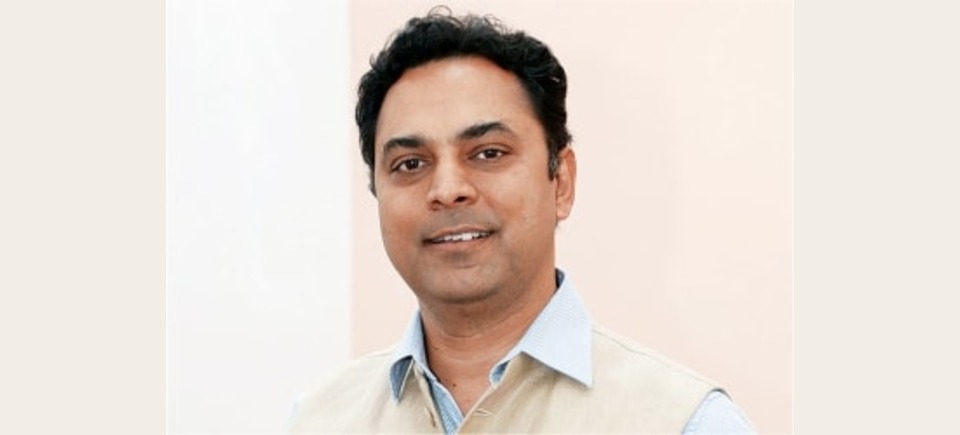
Growth will be aided by various structural reforms, including labour and farm laws, undertaken by the government, he said while addressing a virtual event organised by the US-India Strategic Partnership Forum (USISPF)
Chief Economic Adviser (CEA) K V Subramanian on Wednesday said India will clock over 7 percent annual growth during this decade on the back of strong economic fundamentals. During the current fiscal, he said, growth would be in double-digits and it could moderate to 6.5-7 percent in the next financial year.
The Economic Survey 2020-21, released in January this year, had projected GDP growth of 11 percent during the current financial year ending March 2022. The Survey had said growth will be supported by supply-side push from reforms and easing of regulations, infrastructural investments, boost to manufacturing sector through the Production-Linked Incentive (PLI) schemes, recovery of pent-up demand, increase in discretionary consumption subsequent to rollout of vaccines and pick up in credit.
“When you look at the data itself actually, the V-shaped recovery and quarterly growth patterns actually established that the fundamentals of the economy are strong…the kind of reforms that we’ve done on it, and the supply-side measures that we’ve taken will enable strong growth not only this year but going forward as well,” he said.
Growth will be aided by various structural reforms, including labour and farm laws, undertaken by the government, he said while addressing a virtual event organised by the US-India Strategic Partnership Forum (USISPF) “This decade will be India’s decade of inclusive growth. In FY’23, we expect growth to be between 6.5 to 7 percent, and then accelerating further as the impact of these reforms are seen. On average, I expect growth to be greater than 7 percent in this decade for India,” he said.
He also pointed out that the government is putting a lot of emphasis on capital expenditure as it has a multiplier effect. The Union Budget for 2021-22 has provided a capital outlay of Rs 5.54 lakh crore, an increase of 34.5 percent over the Budget Estimate of 2020-21.
The Budget estimate of capital expenditure for FY2020-21 was Rs 4.12 lakh crore.
More information
http://www.businessworld.in/article/Expect-More-Than-7-Growth-For-India-This-Decade-CEA/30-09-2021-406649/
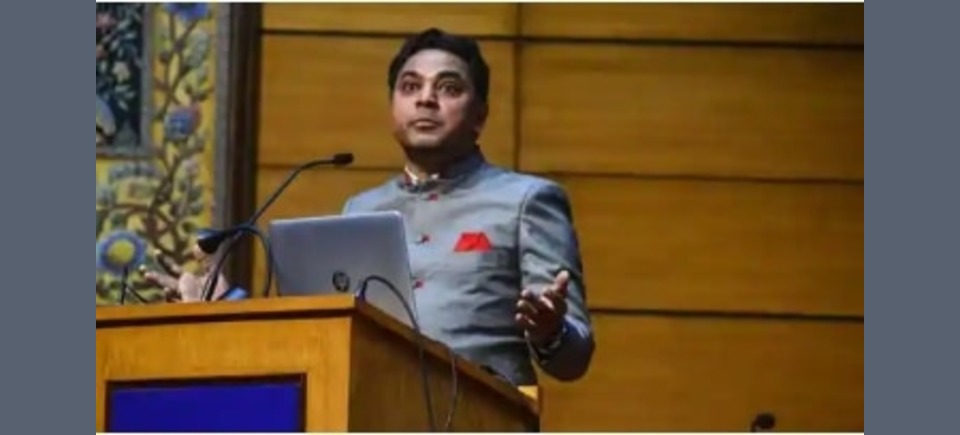
During the current fiscal, the chief economic advisor said, India GDP growth would be in double-digits and the Indian economy could moderate to 6.5 – 7% growth in the next financial year.
Chief Economic Adviser (CEA) K V Subramanian on Wednesday said India will clock over 7 per cent annual growth during this decade on the back of strong economic fundamentals.
During the current fiscal, he said, growth would be in double-digits and it could moderate to 6.5 – 7 per cent in the next financial year.
The Economic Survey 2020-21, released in January this year, had projected GDP growth of 11 per cent during the current financial year ending March 2022.
The Survey had said growth will be supported by supply-side push from reforms and easing of regulations, infrastructural investments, boost to manufacturing sector through the Production-Linked Incentive (PLI) schemes, recovery of pent-up demand, increase in discretionary consumption subsequent to rollout of vaccines and pick up in credit.
“When you look at the data itself actually, the V shaped recovery and quarterly growth patterns actually established that the fundamentals of the economy are strong…the kind of reforms that we’ve done on it, and the supply side measures that we’ve taken will enable strong growth not only this year but going forward as well,” he said.
Growth will be aided by various structural reforms, including labour and farm laws, undertaken by the government, he said while addressing a virtual event organised by the US-India Strategic Partnership Forum (USISPF)
“This decade will be India’s decade of inclusive growth. In FY’23, we expect growth to be between 6.5 to 7 per cent, and then accelerating further as the impact of these reforms are seen. On average, I expect growth to be greater than 7 per cent in this decade for India,” he said.
He also pointed out that the government is putting a lot of emphasis on capital expenditure as it has a multiplier effect.
The Union Budget for 2021-22 has provided a capital outlay of ₹5.54 lakh crore, an increase of 34.5 per cent over the Budget Estimate of 2020-21.
The Budget estimate of capital expenditure for FY2020-21 was ₹4.12 lakh crore.
More information
https://www.livemint.com/economy/expect-india-to-clock-over-7-annual-growth-in-this-decade-k-v-subramanian-11632935061983.html
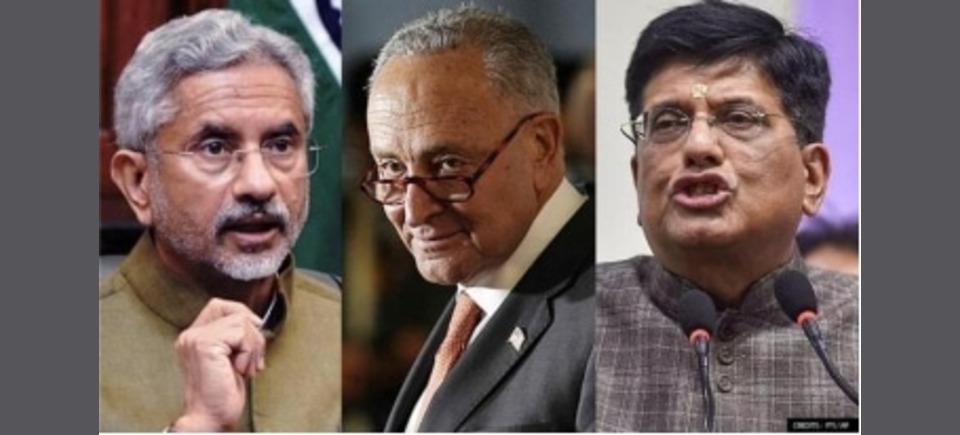
Indian Ministers S Jaishankar, Piyush Goyal, and Jyotiraditya Scindia, among others, are expected to deliver virtual addresses at the fourth USISPF summit.
Indian Ministers S Jaishankar, Piyush Goyal, and Jyotiraditya Scindia, among others, are expected to deliver virtual addresses at the fourth Annual Leadership Summit of the US-India Strategic Partnership Forum (USISPF), which begins on Wednesday, 29 September.
From September 29 to October 1, the USISPF will hold its fourth Annual Leadership Summit, titled “Looking Ahead: Strengthening Resilience, Expanding Prosperity.” Various strategic conversations will take place over the course of three days involving USISPF’s board members, ministers and senior government officials from both India and the United States, as well as Fortune 500 CEOs.
India-US top leaders to address USISPF summit
Union Cabinet Ministers from India are scheduled to participate in the programme (USISPF summit), including Minister of External Affairs S Jaishankar, Minister of Textiles, Commerce and Industry Piyush Goyal, Minister of Education, Civil Aviation Minister Jyotiraditya Scindia, Minister of Information and Broadcasting, Youth Affairs and Sport Anurag Thakur, Minister of Education Dharmendra Pradhan and Minister of State for Electronics and Information Technology Rajeev Chandrasekhar.
Senator Chuck Schumer, Majority Leader of the United States Senate; Samantha Power, Administrator of the United States Agency for International Development; and Kurt Campbell, Deputy Assistant to the President and Coordinator for Indo-Pacific Affairs, National Security Council, are among those representing the United States.
Top Executives from India to attend USISPF summit
According to the summit agenda, Natarajan Chandrasekaran, Executive Chairman of Tata Sons, Punit Renjen, Chief executive officer (CEO) of Deloitte Global, and Rajesh Subramaniam, President, COO, and Director, FedEx Corp., will receive the USISPF Global Leadership Award 2021 on Thursday for their heroic efforts in responding to India’s second wave of COVID-19. Several top Indian bureaucrats are expected to speak at the meeting, including Amitabh Kant, Chief executive officer of NITI Aayog, Rita Teaotia, Chairperson of FSSAI, and Ambassador Taranjit Sandhu, India’s Ambassador to the United States.
The US-India Strategic Partnership Forum (USISPF) is a non-profit organisation whose major goal is to promote the bilateral and strategic partnership between India and the United States through policy advocacy in the areas of economic growth, entrepreneurship, job creation, and innovation.
More information
https://m.republicworld.com/india-news/general-news/eam-jaishankar-us-senator-schumer-among-key-names-who-will-speak-at-usispf-summit.html
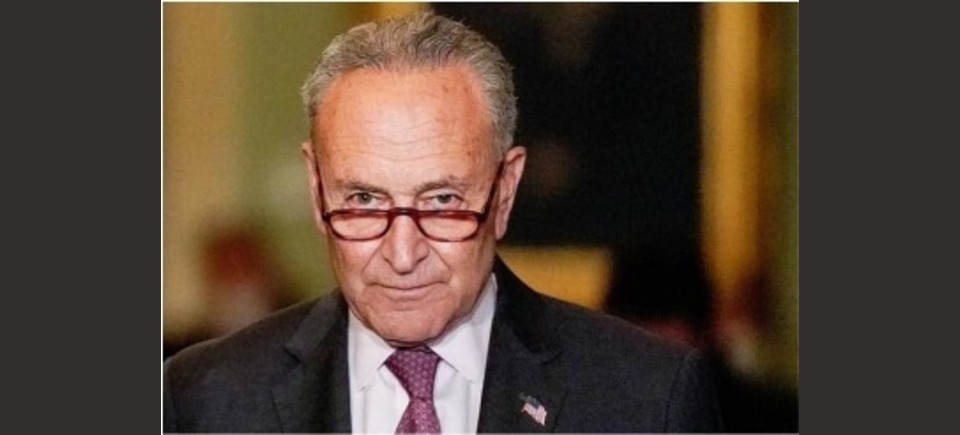
Schumer also noted the record number of Indian Americans running for office in New York City, his home State
U.S. Senate Majority (Democrat) Leader, Chuck Schumer called for deeper cooperation between the U.S. and India on the economic and defence fronts.
Mr Schumer, speaking at a virtual forum organised by the U.S. India Strategic Partnership Forum (USISPF), an advocacy organisation, also noted the record number of Indian Americans running for office in New York City, his home State.
To strengthen economic ties, the U.S. Congress “must find opportunities to invest” in industries critical to both countries (semiconductors, biotech etc.) but also emerging fields like 5G, cybersecurity and AI, Mr Schumer said. Without naming China or any other country, he said “rivals around the world” who did not always value democracy, were investing in such technology.
“We need to beat them to the punch,” he said, adding that the U.S. and India also had to work on their common defence.
“At a time when the forces of authoritarianism are making inroads across the world, it’s vital that India and the US… two large, prosperous, growing democracies, keep working together to stand up and proudly defend the right of all people to freedom and to equality.”
Mr Schumer said he was going to work with Congress to promote the countries’ mutual defence including by working with ASEAN and Quad members.
He also said he was going to support immigration from India and policies that support a “rational and steady stream of legal immigration,” as well as student visas.
During remarks on the diaspora in New York, Mr Schumer talked about their political engagement, their contribution and the challenges they face. Discrimination against Indian Americans and Asian Americans still exists, he said. Nonetheless, a record number of Indian Americans were running for local office in New York, he said, adding that it was a hopeful sign of a more inclusive future in New York City.
“But today, New York still has not elected an Indian American to federal office, so this year’s record number of candidates is a reminder of how much work we have to do,” he said.
Mr Schumer also said he would like to organise a Congressional delegation to India as soon as possible.
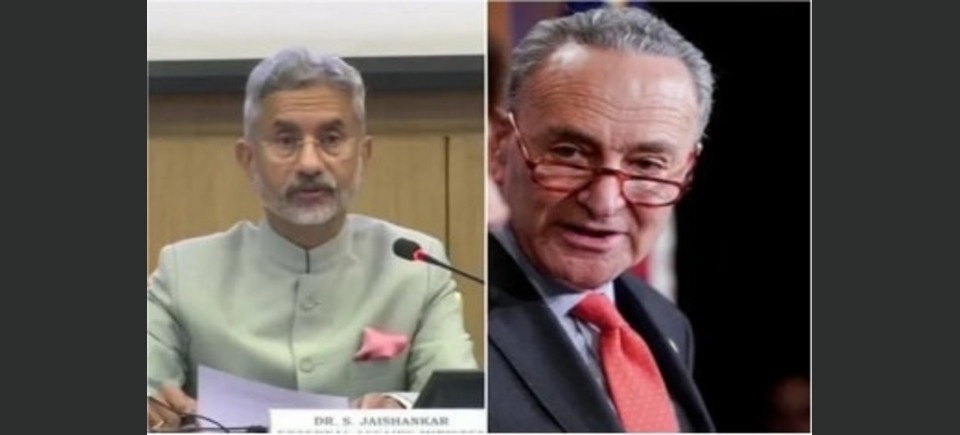
Washington DC [US], September 29 (ANI): Indian Ministers S Jaishankar, Piyush Goyal, Jyotiraditya Scindia, among others are scheduled to virtually address the fourth Annual Leadership Summit of the US-India Strategic Partnership Forum (USISPF), which is set to begin on Wednesday.
USISPF is organising its fourth Annual Leadership Summit, titled “Looking Ahead: Strengthening Resilience, Expanding Prosperity” from September 29 to October 1.
As per the agenda of the summit, there will be various strategic discussions between USISPF’s board members, ministers and senior government officials from both India and US and Fortune 500 CEOs during the course of three days.
From India, the Cabinet Ministers who are scheduled to be part of the programme include Minister of External Affairs S Jaishankar; Minister of Textiles, Commerce and Industry Piyush Goyal; Minister of Education, Civil Aviation Minister Jyotiraditya Scindia; Minister of Information and Broadcasting, Youth Affairs and Sport Anurag Thakur; Minister of Education Dharmendra Pradhan and Minister of State for Electronics and Information Technology Rajeev Chandrasekhar.
From America, Senator Chuck Schumer, Majority Leader, US Senate; Samantha Power, Administrator, United States Agency for International Development; and Kurt Campbell, Deputy Assistant to the President and Coordinator for Indi-Pacific Affairs, National Security Council among others.
As per the agenda of the summit, USISPF will honour Natarajan Chandrasekaran, Executive Chairman of Tata Sons, Punit Renjen, CEO of Deloitte Global, and Rajesh Subramaniam, President, COO and Director, FedEx Corp., with the USISPF Global Leadership Award 2021 on Thursday for leading the corporate community in their heroic efforts of responding to India’s second wave of Covid-19.
Various top Indian Bureaucrats are also scheduled to address the meeting including Amitabh Kant, CEO, NITI Aayog, Rita Teaotia, Chairperson, FSSAI, Ambassador Taranjit Sandhu, Ambassador of India to United States.
The US-India Strategic Partnership Forum (USISPF) is a non-profit organization, with the primary objective of strengthening the India-US bilateral and strategic partnership through policy advocacy in the fields of economic growth, entrepreneurship, employment-creation, and innovation. (ANI)
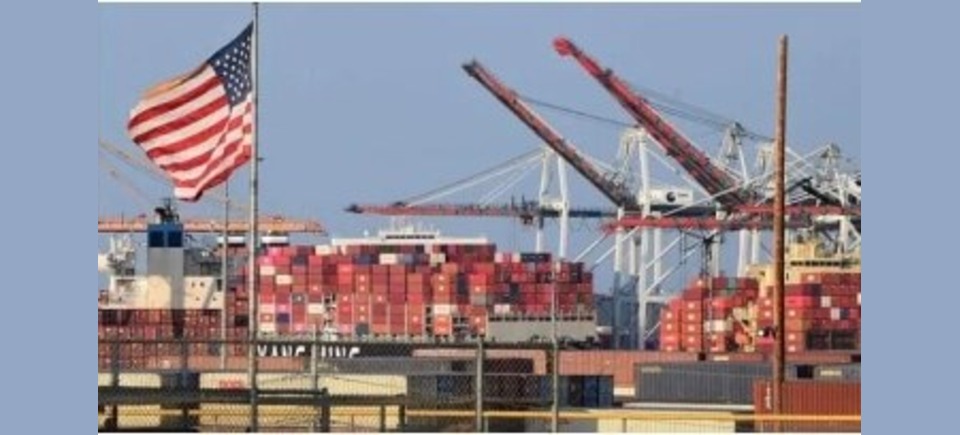
A US flag flies near containers stacked high on a cargo ship at the Port of Los Angeles on Tuesday. Indian commerce minister Piyush Goyal has proposed an ambitious target of $1 trillion for India-US bilateral trade over the next 10 years. (AFP)
Indian commerce minister Piyush Goyal has expressed frustration with the failure of the two countries to conclude a trade agreement after numerous rounds of discussions most of which happened on his watch, specially over 2019 and 2020.
Indian commerce minister Piyush Goyal on Wednesday proposed an ambitious target of $1 trillion for India-US bilateral trade over the next 10 years even as he expressed frustration over the failure of the two sides to conclude an agreement after multiple rounds of talks with the earlier Trump administration.
India-US bilateral trade in goods and services stood at $146.1 billion in 2019, according to the latest update by the US Trade Representative’s office.
“India and the US can be two countries which should be looking at a balanced future trade upwards of $1 trillion in the next 10 years,” minister Piyush Goyal said at the virtual annual leadership summit of the US-India Strategic Partnership Forum, an advocacy group, that started on Wednesday.
“Unless we keep some very ambitious targets, we’ll never get there. I’m happy to look at a trillion-dollar target for the next 10 years between the US and India. I’m happy to engage with the US, and look for expanding our economic partnership.”
India-US trade is up against another ambitious target, one that was fixed by President Joe Bidden when he was vice-president in the administration of President Barack Obama. In a speech at the Bombay Stock Exchange during his 2012 India visit, Biden had suggested a “five-fold” increase in the volume of the bilateral trade, which had then stood at $100 billion.
Piyush Goyal on Wednesday also expressed frustration with the failure of the two countries to conclude a trade agreement after numerous rounds of discussions most of which happened on his watch, specially over 2019 and 2020. “We had actually concluded discussions maybe three or four times, but would always get stuck somewhere in the red tape and for a change,” the minister said, adding, “India was not responsible.”
India and the United States were expected to sign an interim trade agreement – leaving a comprehensive trade agreement for a later date – during former President Donald Trump’s visit to India in February 2020. But the two sides failed to conclude talks in time for the visit and vowed to come up with something later in the year, which never happened as the US went into elections and Trump lost.
Piyush Goyal had said at the time a deal was just a few “phone calls away” to reflect how close the two sides were to an agreement. Indians have blamed the US side for failure by the two sides to get a deal saying American negotiators kept changing the goalpost constantly, making fresh and additional demands.
Trade talks have remained stalled since then. Goyal and his US counterpart Katherine Tai have spoken but there have been no discussions about a trade agreement.
The two sides decided to start talking during the first bilateral summit of Prime Minister Narendra Modi and President Joe Biden here in Washington DC last week. “They looked forward to reconvening the India-US Trade Policy Forum before the end of 2021, to enhance the bilateral trade relationship by addressing trade concerns, identifying specific areas for increased engagement and developing an ambitious, shared vision for the future of the trade relationship,” said the joint statement issued by the two sides.
More information
https://www.hindustantimes.com/world-news/piyush-goyal-moots-1-trillion-target-for-india-us-trade-101632939203121.html
He added that a free trade agreement, with 11,000 product lines, will take much longer time, and that would be pursued and finished over next few months, but India and Australia are going for the early harvest pact so that businesses can start enjoying the fruits of this partnership.
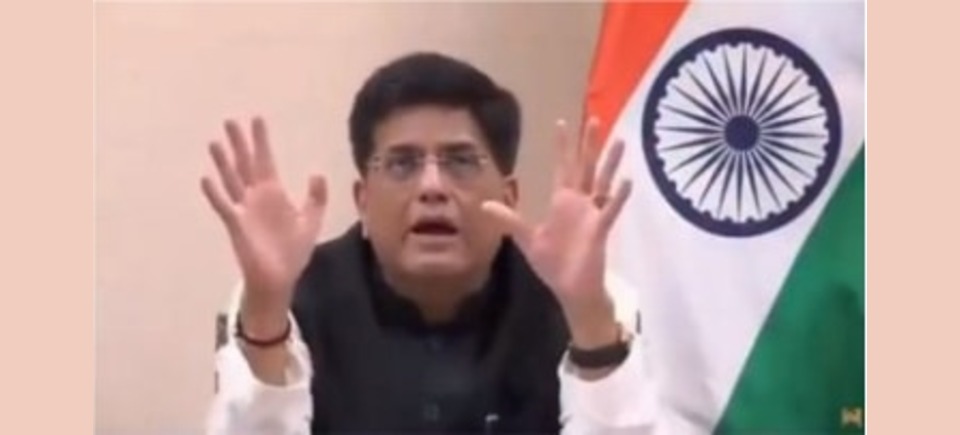
New Delhi, September 29: India and the US should engage in a much bigger way and New Delhi is ready and willing to expand the economic partnership with America, Commerce and Industry Minister Piyush Goyal said on Wednesday. He also called for setting an ambitious bilateral trade target of USD 1 trillion in the next 10 years.
Addressing the 4th Annual Leadership Summit of the US-India Strategic Partnership Forum (USISPF), Goyal said though a lot of effort had gone into negotiating a trade agreement between the two countries during the previous US administration, unfortunately it did not work out.
The minister said India is negotiating an early harvest agreement with Australia, “so now it is left to the US and India to engage in a much bigger way. I would urge all of you to also impress upon your administration (that) India is ready and willing to expand our economic partnership in the spirit of reciprocity and equality After Meeting PM Narendra Modi: Ties with India Destined to Be ‘Stronger, Closer and Tighter’.
While the bilateral trade in goods and services has seen significant growth in the last 10 years, “I do believe that the potential has not even been started,” he added.
I think India and the US should be looking at a balance mutual trade of a trillion dollar in the next 10 years and unless we keep some very ambitious target, we will never get there… “I am happy to engage with the US and look for expanding our economic partnership so then all 4 members of the Quad (comprising Japan, India, Australia and the US) would have very strong economic ties with each other,” he noted.
On the trade agreement with Australia, the minister said it is progressing fast and the next round of discussions is on September 30. “We hope to conclude very quickly our early harvest agreement, in which we have identified a few issues, may be 100-200 product lines, some services, some investment areas, which are of pressing interest to both the countries,” he said.
He added that a free trade agreement, with 11,000 product lines, will take much longer time, and that would be pursued and finished over next few months, but India and Australia are going for the early harvest pact so that businesses can start enjoying the fruits of this partnership. US Needs Better Ties with India to Keep China, Taliban Under Check: Congressman.
Talking about India’s single window clearance system, he said “we will make sure that sitting in Minnesota (in the US), you can identify land you want to buy, pay for it, and ensure all your approvals.”
More information
https://www.latestly.com/agency-news/latest-news-india-ready-to-expand-economic-partnership-with-us-goyal-2901441.html
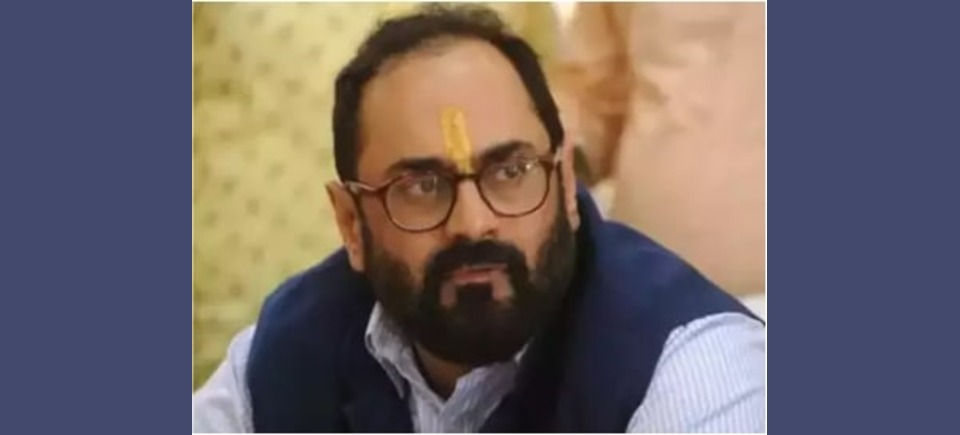
The post-COVID world presents a ”Y2K-like” moment for Indian IT firms, and the industry needs to play a bigger role in tackling skilling-related challenges to ensure that this huge opportunity can be seized, Minister of State for Electronics and IT Rajeev Chandrasekhar said on Wednesday.
The minister also highlighted how the fintech segment in the country has expanded the economy, created unicorns, and put India in a leading position in terms of the platforms and solutions that are being developed.
Speaking at the Global FinTech Festival (GFF) 2021, Chandrasekhar said the IT industry “needs to invest a little bit more capital in this (skilling), and invest a lot more smarts, in terms of predicting which direction the skilling requirements need to come from”.
He noted that there is some “misreading or under the reading of demand” and tech companies that had huge bench strength and were complaining about not having enough work to do a few years back, are now hiring from overseas and pay large amounts to retain talent.
“The world has dramatically changed the rapid pace of digitisation has just gone through the roof, and therefore the demand for digitisation and talent is also going to commensurately go sky high…we must recognise that we are in the post COVID world, in almost a Y2K-like moment for the Indian tech space,” he said.
The minister further said: “We are at an unprecedented inflection point in terms of opportunities for growth. If we don”t make the move quickly, somebody else will take this breakfast and lunch”. Post Y2K, India became one of the biggest IT destinations for enterprises globally with its pricing competitiveness and quality talent.
Chandrasekhar emphasised that the approach towards skilling and talent creation “has to be very proactive and industry-led”, and added that the government has extended support by creating a network of training centres around the country.
“…industry and industry associations have to step up, I think, and do a lot more, especially in this post COVID era. We are 100 per cent committed to putting our money into the budget for training and skilling, expanding the network…the industry needs to seize this opportunity and look at skilling as a big challenge for which they need to play a bigger role,” he said.
Talking about the fintech segment, Chandrasekhar said the financial sector has “dramatically transformed to include fintech as a very critical, integral component of the financial economy”.
“It has expanded opportunities for entrepreneurship, innovation, and jobs. Without doubt, it is now receiving large doses of investment – both domestic and foreign, it has created entrepreneurship, unicorns, leading-edge, confident, ambitious entrepreneurs who are going out there and unambiguously leading the world in terms of the platforms and solutions that they are putting out there,” he added.
Chandrasekhar said he considered fintech to be a “classic example of a combination of government policymaking and the power of entrepreneurship, working to deliver on more than one objective”.
“The qualitative improvement in the quality of our economy, quality of our financial economy has not been written about enough…this (fintech) is a great emerging space, and I hope we continue to see innovation leadership…” he said.
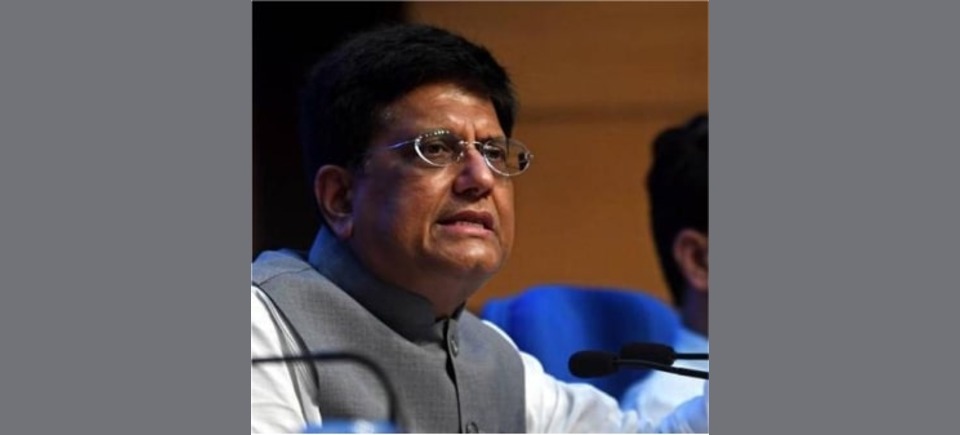
“We can look at a trillion dollar trade target over the next 10 years,” Piyush Goyal said at the U.S. India Strategic Partnership Forum
India’s Commerce Minister Piyush Goyal on Wednesday exhorted U.S. businesses to convince the administration of the need for a trade agreement that would enhance the bilateral flow of goods and services.
“We already have an FTA (free trade agreement) with Japan; we are working on an early harvest agreement as part of FTA talks with Australia,” Mr. Goyal told the U.S. India Strategic Partnership Forum (USISPF). “I would urge all of you to impress upon your administration as well that India is ready and willing to expand our economic partnership in the spirit of reciprocity and equality.”
The minister’s remarks assume significance as they come a month after he told Indian exporters that the US has indicated the India-US FTA is off the table ‘as of now’. “But we will look at working with them on market access issues on both sides,” Mr. Goyal had said in August.
“While our trade in goods and services has grown significantly in the last ten years, I believe the potential hasn’t been tapped fully yet. I think India and US can look at a balanced, mutual trade of about a trillion dollars in the next ten years and unless we keep some very ambitious targets, we will never get there,” he asserted in response to a query from USISPF board member George R. Oliver, who is the chairman and CEO of Johnson Controls.
“I am happy to look at a trillion-dollar target for India-US trade and happy to engage with the US and look for signing a economic partnership with the US so that all four members of the Quad will have very strong economic ties with each other,” the minister said.
On whether India feared being left out of global trade once it walked out of the Regional Comprehensive Economic Partnership (RCEP), Mr Goyal said India had engaged with partner countries on the RCEP for almost seven-eight years.
“I was made the trade minister in 2019 and left with just three-four months before the final round of discussions that were to culminate in an announcement on the RCEP on November 4 (2019). But I am very much used to getting into micro details when it comes to these subjects,” he recalled.
“When I started digging into the entire discussion, dialogue and the agreement that was sought to be finalised, I realised that India was being short-changed and it would have proved to be a tremendous disadvantage vis-à-vis some countries and we would have effectively killed India’s manufacturing sector,” Mr Goyal noted, emphasising that ‘it’s very difficult to understand what could go wrong if you are working with an opaque system at the other end’.
Despite India’s abstention from the RCEP, the country is sealing several regional and bilateral economic partnerships that should hold it in good stead and make US investors interested in partnering Indian businesses.
“We already have an ASEAN-India FTA, where ten South East Asian countries are covered. With Japan and Korea, we have an FTA. With Australia, before the end of the year or by January and February, we will have a framework for an FTA with an early harvest to be implemented by May or June. We have signed an FTA with Mauritius. We have our SAFTA arrangement,” he listed out.
“So, in some sense, we are well set, and we do believe that where there are equal and reciprocal, honest partners, we will be there to partner. As we speak, we have launched negotiations with the UAE. We are already in dialogue with the UK at an advanced stage and will launch negotiations formally for an advanced and comprehensive trade partnership from November,” the minister pointed out.
The European Union and India have also decided to restart start discussions on a comprehensive economic partnership agreement, the minister said. “India is working with like-minded countries, democracies, transparent rules-based eocnomies and therefore, I think we will neither be left out but will actually be at an advantageous position also for US companies to come and work with us in India,” he concluded.
Highlighting that the COVID-19 pandemic has exposed the fact that supply chains should not just be based on cost of manufacturing, but also on trust, Mr Goyal said that future generations will hold ‘us responsible’ if India and the US don’t work together as two large democracies to ensure the well-being of the world at large.
“The US and India are natural allies. No two economies can have the kind of synergy, brotherhood, understanding of each other, and also the respect for rule of law, democratic traditions, concern for the lesser privileged, interest to engage with technology and innovation, as well as promote entrepreneurship, like the US and India do,” he averred.
More information
https://www.thehindu.com/business/Industry/piyush-goyal-urges-us-firms-to-push-for-trade-agreement/article36743266.ece
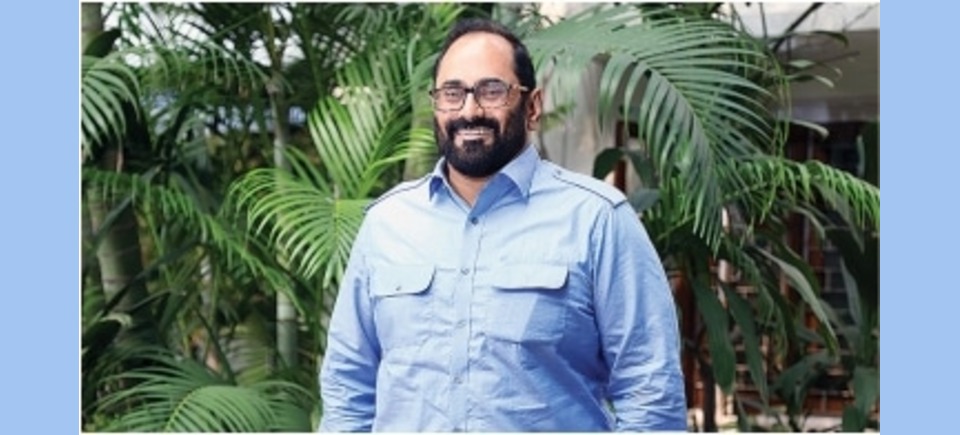
The minister also highlighted how the fintech segment in the country has expanded the economy, created unicorns, and put India in a leading position in terms of the platforms and solutions that are being developed.
The post-COVID world presents a ”Y2K-like” moment for Indian IT firms, and the industry needs to play a bigger role in tackling skilling-related challenges to ensure that this huge opportunity can be seized, Minister of State for Electronics and IT Rajeev Chandrasekhar said on Wednesday.
The minister also highlighted how the fintech segment in the country has expanded the economy, created unicorns, and put India in a leading position in terms of the platforms and solutions that are being developed.
Speaking at the Global FinTech Festival (GFF) 2021, Chandrasekhar said the IT industry “needs to invest a little bit more capital in this (skilling), and invest a lot more smarts, in terms of predicting which direction the skilling requirements need to come from”.
He noted that there is some “misreading or under the reading of demand” and tech companies that had huge bench strength and were complaining about not having enough work to do a few years back, are now hiring from overseas and pay large amounts to retain talent.
“The world has dramatically changed the rapid pace of digitisation has just gone through the roof, and therefore the demand for digitisation and talent is also going to commensurately go sky high…we must recognise that we are in the post COVID world, in almost a Y2K-like moment for the Indian tech space,” he said.
The minister further said: “We are at an unprecedented inflection point in terms of opportunities for growth. If we don”t make the move quickly, somebody else will take this breakfast and lunch”. Post Y2K, India became one of the biggest IT destinations for enterprises globally with its pricing competitiveness and quality talent.
Chandrasekhar emphasised that the approach towards skilling and talent creation “has to be very proactive and industry-led”, and added that the government has extended support by creating a network of training centres around the country.
“…industry and industry associations have to step up, I think, and do a lot more, especially in this post COVID era. We are 100 per cent committed to putting our money into the budget for training and skilling, expanding the network…the industry needs to seize this opportunity and look at skilling as a big challenge for which they need to play a bigger role,” he said.
Talking about the fintech segment, Chandrasekhar said the financial sector has “dramatically transformed to include fintech as a very critical, integral component of the financial economy”.
“It has expanded opportunities for entrepreneurship, innovation, and jobs. Without doubt, it is now receiving large doses of investment – both domestic and foreign, it has created entrepreneurship, unicorns, leading-edge, confident, ambitious entrepreneurs who are going out there and unambiguously leading the world in terms of the platforms and solutions that they are putting out there,” he added.
Chandrasekhar said he considered fintech to be a “classic example of a combination of government policymaking and the power of entrepreneurship, working to deliver on more than one objective”.
“The qualitative improvement in the quality of our economy, quality of our financial economy has not been written about enough…this (fintech) is a great emerging space, and I hope we continue to see innovation leadership…” he said.
More information
http://www.businessworld.in/article/Post-COVID-World-Presents-A-Y2K-Like-Moment-For-Indian-IT-Industry-Rajeev-Chandrasekhar/29-09-2021-406593/
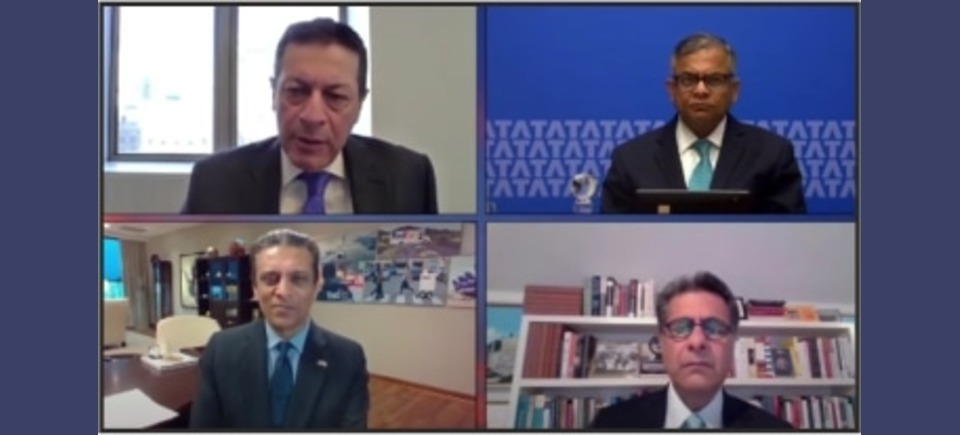
(Eds: Disclaimer: The following press release comes to you under an arrangement with Business Wire India. PTI takes no editorial responsibility for the same.)
New Delhi, Delhi, India & Washington, D.C., United States – Business Wire India
The US-India Strategic Partnership Forum (USISPF) announced its fourth Annual Leadership Summit, titled “Looking Ahead: Strengthening Resilience, Expanding Prosperity,” which will convene virtually this year from September 29-October 1. The program will include a range of strategic discussions between USISPF’s board members, including Fortune 500 CEOs and senior government officials from both countries.
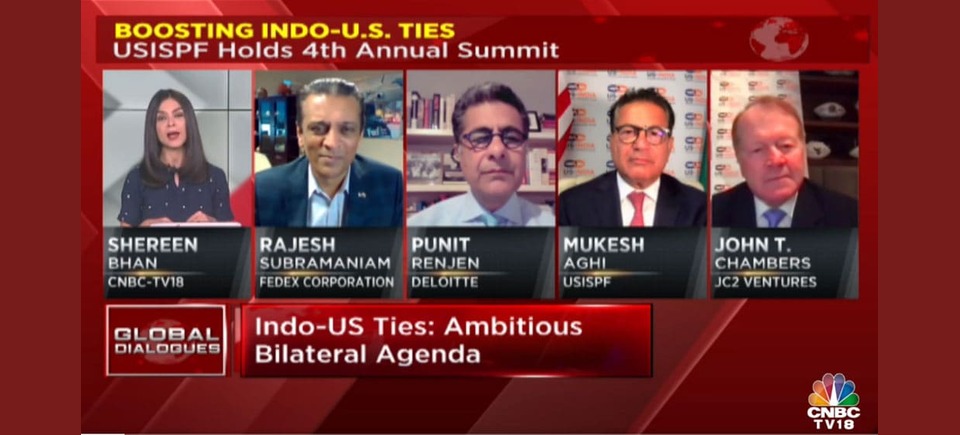
On Thursday, USISPF will honor Natarajan Chandrasekaran, Executive Chairman of Tata Sons, Punit Renjen, CEO of Deloitte Global, and Rajesh Subramaniam, President, COO and Director, FedEx Corp., with the USISPF Global Leadership Award 2021 for leading the corporate community in their heroic efforts of responding to India’s second wave of Covid-19.
• As part of these contributions, Punit Renjen led Deloitte’s efforts in donating oxygen concentrators to the Indian Red Cross and initiating an innovative program named “SanjeevaniPariyojana” (the life project) to expand the hospital ward, helping patients with mild to moderate COVID-19 recover at home so hospitals can be freed up to treat the most critically ill.
• FedEx donated three Boeing 777F charter flights of oxygen concentrators, PPE, and other critical supplies to India in May and June 2021. Under Raj’s leadership, the FedEx charters flew into Mumbai and New Delhi. In all, FedEx moved more than 50,000 oxygen concentrators to India in collaboration with non-profit partners and customers.
• Natarajan Chandrasekaran led Tata in procuring medical equipment from other domestic and international sources. Tata Sons procured and distributed 1300 ventilators, 11,250 oxygen concentrators, in addition to many other medical supplies. Overall, Tata Sons committed Rs 1,000 crore (over USD $135 million) expenditure to COVID-19 response and related activities.
Congratulating the awardees, John Chambers, Chairman of the USISPF Board, said, “The COVID-19 pandemic has impacted all of us in so many ways since the start of 2020. When the U.S. experienced the height of the pandemic, India stepped up to help us, sending critical medicines to Americans. It was amazing to then see that help reciprocated during the second wave of COVID in India. Partnership is built on trust, collaboration, and people-to-people connections. This year’s three awardees exemplify qualities of true leadership, as demonstrated by their tremendous individual efforts to help India in their time of need earlier this year. We are incredibly grateful for their courage, integrity, and hard work during this time of uncertainty, and are inspired by their actions to build a stronger U.S.-India partnership and more resilient global community.”
Mr. Natarajan Chandrasekaran, Executive Chairman of Tata Sons said, “I am honored to accept the USISPF Global Leadership Award 2021 on behalf of my colleagues in the Tata Group working tirelessly on the Covid frontlines. I would also like to compliment my fellow award recipients for their contributions during the pandemic. USISPF has demonstrated remarkable leadership, strengthening the US-India partnership through a pivotal moment for our generation.”
Mr. Punit Renjen, CEO of Deloitte said, “I am deeply honored to be recognized by the Forum and to be included among such an esteemed and select group of honorees. Business leaders in the United States and elsewhere are near unanimous in their belief in India’s future and are eager to invest in its people and productive capacities. This can be attributed largely to the Forum and their work amplifying India’s message and communicating its strengths to the business community in the U.S. and beyond.”
Mr. Rajesh Subramaniam, President, COO and Director, FedEx Corporation, said, “Uniting with the broader business community to mobilize COVID relief for India was a deeply meaningful experience that will stay with me for the rest of my career. More than anything, this recognition from the USISPF honors the FedEx team members who have worked tirelessly in the U.S., India, and throughout our network to keep the world moving through the pandemic.”
Together, the US-India Strategic Partnership Forum and its members mobilized the US-India Friendship Alliance, to donate 31,026 oxygen concentrators to 28 states and 8 union territories, along with 2 million rapid antigen tests and countless other medical supplies during India’s second wave of Covid-19.
The awards ceremony will take place on Thursday, September 30th beginning at 10:20 a.m. ET/7:50 p.m. IST, followed by a panel discussion with the honorees. To attend the awards ceremony and other sessions during USISPF’s 4th Annual Summit, please RSVP here.
About the U.S.-India Strategic Partnership Forum (USISPF)
The US-India Strategic Partnership Forum (USISPF) is committed to creating the most powerful partnership between the United States and India. As the only independent not-for-profit institution dedicated to strengthening the U.S.-India partnership in Washington, D.C. and in New Delhi, USISPF is the trusted partner for businesses, non-profit organizations, the diaspora, and the governments of India and the United States.
Synopsis
USISPF, which is non-profit organisation committed to creating a powerfulstrategic partnership between the US and India, said that the Cabinet Minister who have confirmed to address the meeting include Minister of Textiles, Minister of Commerce and Industry Piyush Goyal, Civil Aviation Minister, Jyotiraditya Scindia, Sports Minister Anurag Thakur and IT Minister Rajeev Chandrasekhar.
American political leaders, including House Speaker Nancy Pelosi and Senate Majority Leader Chuck Schumer along with four senior Indian ministers and a galaxy of corporate executives would be addressing the annual summit of US India Strategic and Partnership Forum (USISPF) to be held this week, organisers said on Sunday.
The fourth Annual Leadership Summit of USISPF to be held from September 29 to October 1 would also present the Global Leadership award to Natarajan Chandrasekaran of Tata Sons, Punit Renjen of Deloitte Global and Rajesh Subramaniam of FedEx.
USISPF, which is non-profit organisation committed to creating a powerful strategic partnership between the US and India, said that the Cabinet Minister who have confirmed to address the meeting include Minister of Textiles, Minister of Commerce and Industry Piyush Goyal, Civil Aviation Minister, Jyotiraditya Scindia, Sports Minister Anurag Thakur and IT Minister Rajeev Chandrasekhar.
George R. Oliver, chairman and CEO of Johnson Control; Ajay Singh, chairman and managing director of SpiceJet; Nik Deogun, CEO of the Americas and US Senior Partner of Brunswick Group; Nelson Cunningham, president and co-founder, McLarty Associates; are among other speakers from the corporate sector.
Several top Indian bureaucrats are also scheduled to speak at the summit. Prominent among them being Prof. VK Paul, member, NITI Aayog, Dr Randeep Guleria, Director of All India Institute of Medical Sciences, Rita Teaotia, chairperson, Food Safety and Standards Authority of India, Dr Renu Swarup, Secretary, DBT, and S. Aparna, Secretary, Department of Pharmaceuticals, Ministry of Chemicals and Fertilizers.
Categories
Here’s why the QUAD matters
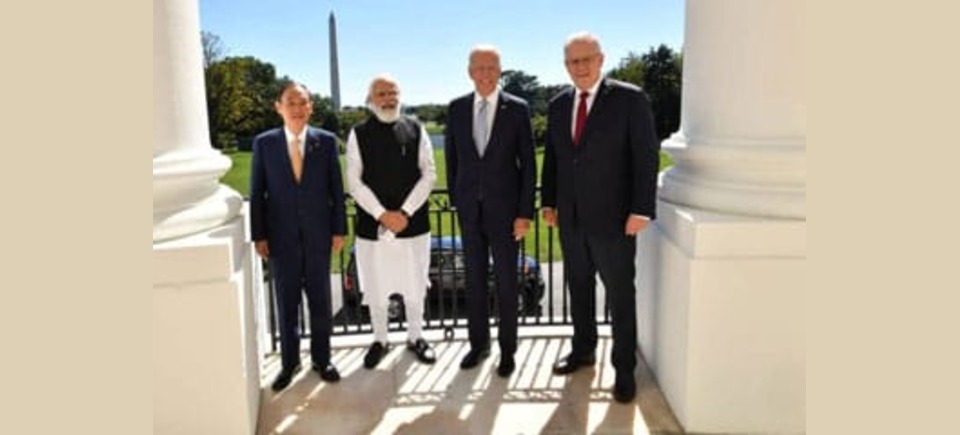
Indian Prime Minister Narendra Modi, US President Joe Biden, Australian Prime Minister Scott Morrison and Japanese Prime Minister Yoshihide Suga at Quad Leaders’ Summit. (Twitter/PMO)
By Mukesh Aghi
High profile visits and summits are synonymous with Washington, but there is a first for even the World’s Oldest Democracy as it plays host to the inaugural Quad in-person Summit. This week, President Joe Biden presided over this inaugural meeting with guests Prime Minister Narendra Modi of India, Prime Minister Yoshihide Suga of Japan, and Prime Minister Scott Morrison of Australia.
As I previously wrote in an article for another publication, since its inception in 2007, the Quadrilateral Security Dialogue, better known as the “Quad,” has had a sense of nebulousness about it. In the years before, it was seen as an amorphous loose grouping, almost missing the oomph that it needed. The four had different approaches. Tokyo initially spoke about the democratic identity of the four nations, while New Delhi was happy with its functional cooperation and Canberra was hesitant on an alliance of sorts that would irk its relationship with Beijing.
Enter China, as a more belligerent Beijing has rapidly accelerated the Quad’s functionality. The momentum of the Quad has escalated rapidly from a joint naval exercise last year, the first in a decade, to a foreign ministers meeting, to a virtual meeting of the respective heads of government, to an ambassadorial meet, to this week’s first in person meeting of the four leaders.
In a recent talk, Foreign Minister S. Jaishankar highlighted the role of the Indian Ocean, accentuating how the water body is today as important as the Pacific Ocean in the centrality of water bodies in global geopolitics. The Foreign Minister spoke about the Indian Ocean as a region endowed with a rich history of culture, diversity, and coexistence. He emphasized that, to preserve the multipolarity of Asia, one needs to preserve the multipolarity of the Indian Ocean and subsequently the Indo-Pacific.
This can be done through the four democracies, who not only share the salient aspects of democracy and cooperation but have also been at diplomatic crosshairs with Beijing. For Washington, this partnership comes naturally, Canberra and Tokyo are long term treaty allies, and New Delhi is a very important strategic partner. The Obama administration outlined the pivot towards Asia, the Trump administration gave impetus to the Indo-pacific, and the Biden administration is expanding the Quad’s agenda, highlighting the shared bipartisan agenda towards the region.
From maritime cooperation that began between the Quad members shortly after the Indian Ocean tsunami of 2004, to now upholding the sacrosanctity of the UN Conventions on Law of the Sea (UNCLOS), all four countries espouse a free and open Indo-Pacific.
Despite the hostility in the Indo-Pacific, particularly in the South China Sea, the Quad agenda is far from an Asian NATO. Washington, New Delhi, Tokyo, and Canberra are all committed to working on a broader agenda beyond just security and touching on key economic and health issues.
As of 2021, leaders in all four countries have become more aligned in their shared concerns about China’s increasingly assertive behaviour in the region and are more willing to define a constructive agenda of cooperation.
The four countries have formed key working groups on COVID-19 vaccines as vaccine diplomacy takes precedence. Today, the race to continue vaccinating millions in developing countries has become priority, with the rapid spread of the highly contagious Delta variant and threat of other emerging variants. Along with vaccines, the importance lies in mitigating the harmful effects of climate change, creating more robust supply chains and more technological investments in the region. All of these topics tie in well with President Biden’s Build Back Better World (B3W), who along with the US’ G7 partners agreed to launch the bold new global infrastructure initiative (B3W), to counter some of the Belt and Road Initiative (BRI) plans, as B3W highlights high-standard and transparency in its infrastructure investments in the emerging market.
The news of the Australia-U.K.-U.S. (AUKUS) Indo-Pacific grouping last week has raised questions, particularly if the role of the Quad has been mitigated or if the summit will see diminished importance with AUKUS still hot off the press as a new development. The tri-pact of anglophone members constitute three of the Five Eyes Intelligence Oversight and Review Council (FIORC).
These theories are far from the case. While AUKUS brings Britain more closely into the Indo-Pacific, the trilateral alliance is militaristic in nature, with a key feature of the new grouping being that the U.S. and the U.K. will share nuclear submarine technology with Australia, helping Canberra possess a fleet of nuclear-powered submarines. What AUKUS will actually do is to grant Australia rights as the member of an exclusive club of only six world powers (the U.S., U.K., France, China, India and Russia)that are able to counter Beijing’s adventurism in the Indo-Pacific.
AUKUS is now dubbed as “the most significant security arrangement between the three nations since World War Two.”
To reiterate, the Quad is far from a military pact and as Dr. Jaishankar himself stated recently, the Quad is a robust partnership of “democratic polities, market economies and pluralistic societies”, that believe in upholding a free and open Indo-Pacific, or as Prime Minister Modi dubbed it,“SAGAR”, the Hindi word for Ocean,also abbreviating the phrase,“Security and Growth for All in the Region.”
Furthermore, U.S. Secretary of Defense Lloyd Austin followed up on his successful visit to New Delhi earlier and called his counterpart, Defence Minister Rajnath Singh, thanking India for its cooperation throughout the evacuation mission in Afghanistan. He went on to reiterate the U.S.’ commitment to ensuring the Indo-Pacific region remains free and open and highlighted how AUKUS will not detract from either the bilateral cooperation with New Delhi or the multilateral agreement of the Quad.
Ironically, India benefits from AUKUS without being part of it. For one, India also possesses nuclear weapon capabilities and a nuclear submarine program of its own. It also has a robust bilateral Civil-Nuclear agreement in place with the United States, where India receives American assistance for its civilian nuclear energy program and expands U.S.-India cooperation in energy and satellite technology.
Secondly, the Galwan Valley clashes in Ladakh last year epitomized a sense of power posturing redolent of Xi Jinping’s assertiveness. The AUKUS trilateral is a more overt security arrangement by close strategic partners of New Delhi to counter China in the Indo-Pacific, and consequently serves New Delhi’s interests for a stable balance of power in the Indo-Pacific, without having to directly participate.
On the multilateral front, smaller pacts have better outlined vision and mission as compared to a single large NATO umbrella, which may lose its focus with the shifting sands of geopolitics. Lastly, India gets to maintain its strategic autonomy and will not be roped into a security pact. As New Delhi prefers to iron out all border and larger diplomatic disputes bilaterally, membership in a security pact against Beijing could impinge its membership on the Beijing led Shanghai Cooperation Organization (SCO).
As a security-focused alliance, AUKUS very clearly relieves the Quad of that notion of being an Asian NATO and New Delhi can focus on the economic and health initiatives such as Vaccine Maitri in its global vaccine distribution.
Through the Quad working group, New Delhi can work towards developing critical and emerging technology, particularly the rollout of 5G network in the emerging market world and securing data privacy and strengthening cyber security. Furthermore, New Delhi through the Quad can work towards creating alternate supply chain networks to shift the monopoly away from Beijing. New resilient supply chains are needed to withstand the harmful effects of this pandemic and to withstand other future health crises.
For India, any grouping that enhances the security of the Indo-Pacific region enables New Delhi to focus on its own strategic interests while maintaining complete strategic autonomy.
More information
https://www.financialexpress.com/defence/heres-why-the-quad-matters/2337489/
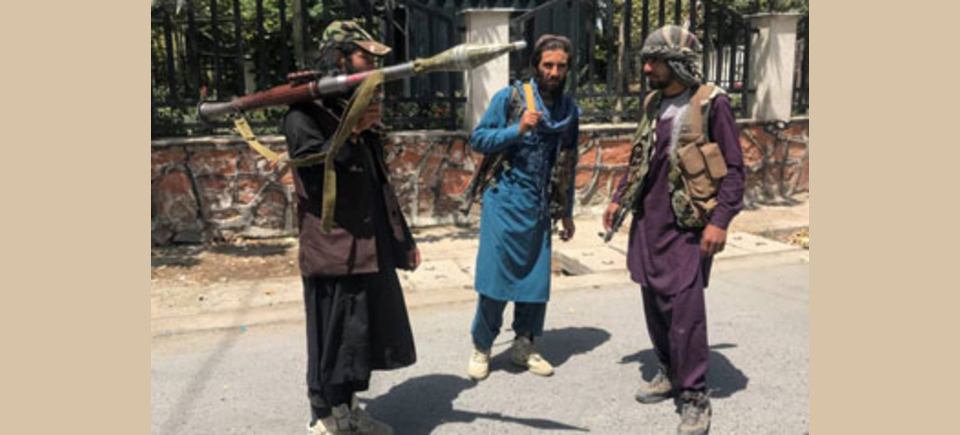
The number 2020 represents clarity of vision, foresight and perspicacity, yet no one could predict how seminal the year 2020 would be; with countless lives lost, economies derailed, and countries redefined during a national security crisis. A country’s fragility can often be seen through an external lens in large Intercontinental Ballistic Missiles (ICBMs) capable of destroying cities. In this case, a tiny microbe unseen to the naked eye stalled and brought the world’s largest economy to a grinding halt, taking more lives than any missile has ever taken.
Both India and the United States continue to grapple with the COVID crisis as the Delta variant wreaks havoc worldwide. The pandemic has consumed five million lives around the world, and sadly India and the US have shared ownership of the highest number of cases globally, not a list either vibrant democracy wants to be part of.
Over the past few weeks, Washington and New Delhi have added yet another crisis to the agenda. COVID-19 in 2020 temporarily dislodged Climate Action as the most pressing global issue given the rapid urgency of the pandemic. Now, the escalating crisis in Afghanistan has become as urgent as tackling the pandemic, and both Washington and New Delhi are confronted with coordinating their respective responses to this catastrophic issue.
As the 20th anniversary of 9/11 approaches, the US exit from Afghanistan is nearing completion. India and the US are evacuating their respective citizens and Afghans who have worked closely with military forces and the embassies. The death toll has mounted as Kabul recently witnessed a horrific bomb blast near its airport, targeting those trying to flee the country. The US stated that they retaliated in self-defense with an unmanned over-the-horizon (drone) airstrike on a vehicle in Kabul, eliminating another threat from ISIS-K.
Both Washington and New Delhi have long been committed to regional security and stability in Afghanistan. While the US relationship with Afghanistan is largely seen through the lens of a prolonged war, trillions of dollars spent, and the cost of conflict, New Delhi and Kabul have a special relationship not defined by governments, but instead forged by close cultural and historic links that precede Indian independence.
While India has been committed to regional security, it has done so without any boots on the ground, largely due to a doctrine that is deep-rooted in strategic autonomy and aversion of involvement in external conflicts, haunted by the Indian Peace-Keeping Forces’ (IPKF) imbroglio in Sri Lanka in the late 1980s.
President Joe Biden may have stated that nation-building is no longer a priority for the US, but nation-building has been the hallmark of India’s involvement in Afghanistan by way of significant infrastructure investments totaling $3 billion (Rs 224 crore), including the construction of a new parliament building, later inaugurated by Prime Minister Modi in Kabul 2015 and the Salma Dam in 2016. Since the first fall of the Taliban, India has significantly contributed to Afghan development by providing scholarships to students, enabling food assistance, electrification, building dams, roads, highways, schools, and hospitals.
Biden’s predecessors no doubt focused on security concerns in the Middle East and the long war in Afghanistan, but the current administration has concentrated on a domestic agenda that includes restarting an economy grappling with the ongoing pandemic, investing in infrastructure, vaccinating millions of Americans, and ending a 20-year-old war in Afghanistan which cost the lives of over 2,000 US soldiers and contributed $ 2 trillion worth of investments into the country.
While many in New Delhi understand that Washington’s decision to leave was fait-accompli and there was little room for influence in the matter, the strong strategic and military partnership between the two also brings with it looming security threats to each country.
India had cordial relationships with successive Afghan governments prior to the rise of the Taliban and continued relations with the Karzai and Ghani governments, as most of the leaders have strong connections with India and consider it a second home. Nonetheless, both New Delhi and Washington know the perils of a security vacuum in Afghanistan. As a close neighbor to Afghanistan, India has seen the pernicious hostility of nefarious elements being abetted by state and non-state actors to fuel insurgencies in India, gathering steam shortly after the Soviets left Afghanistan.
This is a new rendition to an old chapter. The US shifting focus away from Afghanistan saw a power vacuum, soon usurped by the Taliban in 1996. Lack of American foreign policy oversight preceding the “Af-Pak” strategy saw the Taliban in cahoots with Al-Qaeda, and then the horrors of 9/11, a sobering reminder as we approach the 20th anniversary of the terror attacks.
President Biden’s former boss, President Obama, had emphasized Washington’s pivot to Asia, further laying the groundwork for President Trump’s “Free and Open Indo-Pacific” Strategy. With the shifting sands in Kabul, it’s important for Washington to know that while the Indo-Pacific serves as one bulwark to any belligerence from Beijing, the absence of a strong security partnership in Afghanistan sees Beijing and Moscow gain a stronger foothold in the country.
The pandemic has posed the biggest global security challenge taking nearly 5 million lives across the world. Now, the other concern for both democracies is that, while the Indo-Pacific helps preclude a Beijing foothold in the region, the absence of a strong democratic government in Afghanistan could see China emerge as a powerful shaper of the economic and military arrangements in Af-Pak and West Asia and strategic gains for Pakistan, Russia, and Iran as well.
The last time Washington looked away from Afghanistan, what transpired was a restive region that posed security threats to the neighborhood in India and transformed the global discourse on countering violent extremism post 9/11. Together, Washington and Delhi remained invested for two decades in helping rebuilding Afghanistan and skilling young Afghans, where the median age of the country remains just 18. A generation of Afghans grew up on hope with a democratic setup and have little experience of knowing what it’s like to live under the Taliban. The epitome of two democracies that helped build another fledgling democracy, but watching it fade away will pose grave concerns not just for Afghans, but also for India and the US in the long run.
—Mukesh Aghi, is the CEO & President of US- India Strategic Partnership Forum. The views expressed are personal.
More information
https://www.cnbctv18.com/world/view-the-covid-19-pandemic-and-the-prolonged-afghan-war-10636231.htm

Iconic American motorcycle brand Harley-Davidson has pulled the plug on its India operations as part of its global restructuring strategy.
Source: CNBC-TV-18
Source Link: https://www.cnbctv18.com/videos/business/will-harley-davidsons-exit-impact-other-us-investments-in-india-heres-what-usispfs-mukesh-aghi-has-to-say-7022151.htm


As per a survey conducted by Assocham, over 90% of its members have sought for the extension. “We have requested the government to introduce e-invoicing from October 1 on …
Source: The Economic Times
Source Link: https://economictimes.indiatimes.com/news/economy/policy/industry-bodies-and-mncs-seek-deferment-of-mandatory-e-invoicing-till-january/articleshow/78170026.cms

Mukesh Aghi, president and CEO of US-India Strategic Partnership Forum, sees deeper economic ties around healthcare, defence, hi-tech, and agriculture, going ahead.
Source: Live-Mint
Source Link: https://www.livemint.com/companies/people/-india-is-caught-in-a-vicious-cycle-on-demand-pickup-11600325170875.html

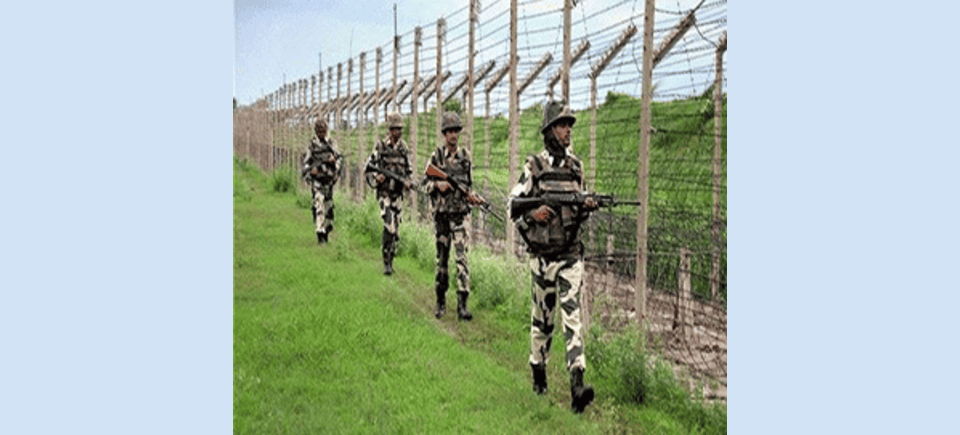
A Standard Operating Procedure (SoP) to harmonize the processes for identification, development, and execution of projects under the DTTI has been formulated and was ratified last year.
Source: Financial Express
Source Link: https://www.financialexpress.com/defence/india-us-defence-trade-and-technology-initiative-is-the-silent-enabler/2083679/

The Mahindra Group’s presence in the U.S. has lasted over 25 years and has partnered with several U.S. corporations including American Motors, Chrysler, International Harvester company of Chicago,
Source: India CSR
Source Link: https://indiacsr.in/u-s-india-strategic-partnership-forum-honors-anand-mahindra-with-2020-leadership-award/
IT and Industries Minister KT Rama Rao on Friday said several policies and initiatives of the Telangana government have emerged as a role model for various sectors.
Source: The New Indian Express
Source Link: https://www.newindianexpress.com/states/telangana/2020/sep/05/telangana-undisputed-leader-in-emerging-technology-says-kt-rama-rao-2192724.html


NEW DELHI: Making a strong pitch for India being a “trusted” economic partner, Prime Minister Narendra Modi on Thursday invited US businesses to “join India’s journey” out of the pandemic.
Source: The Times of India
Source Link: https://timesofindia.indiatimes.com/india/pm-modi-pitches-india-as-trusted-business-partner-at-us-india-strategic-partnership-forum/articleshow/77920570.cms

The latest flashpoint in the north was triggered by provocative Chinese actions on the southern bank of Pangong Tso, after which India made counter-manoeuvres to occupy key heights.
Source: Hindustan Times
Source Link: https://www.hindustantimes.com/india-news/india-ready-to-handle-2-front-threat-rawat/story-5BqDAVRrHeVX679ok4LviO.html

Prime Minister Narendra Modi will deliver key note address to the third leadership summit of US India Strategic and Partnership Forum (USISPF) on Thursday, organisers announced on Tuesday.
Source: News-18
Source Link: https://www.news18.com/news/india/pm-modi-to-address-third-leadership-summit-of-us-india-strategic-and-partnership-forum-2840625.html

At a time when tensions between India and China continue to cast a shadow on businesses including imports of crucial drug ingredients from China.
Source: Business-Line
Source Link: https://www.thehindubusinessline.com/news/national/gujarat-woos-us-companies-to-boost-pharma-production/article32525565.ece

“The pandemic has impacted several things but it has not impacted the aspirations and of ambitions of 1.3 billion Indians. In recent months, there have been far-reaching reforms,” said PM Modi.
Source: The Economic Times
Source Link: https://economictimes.indiatimes.com/news/politics-and-nation/approach-to-development-should-be-human-centric-pm-modi-at-us-india-summit/articleshow/77916802.cms
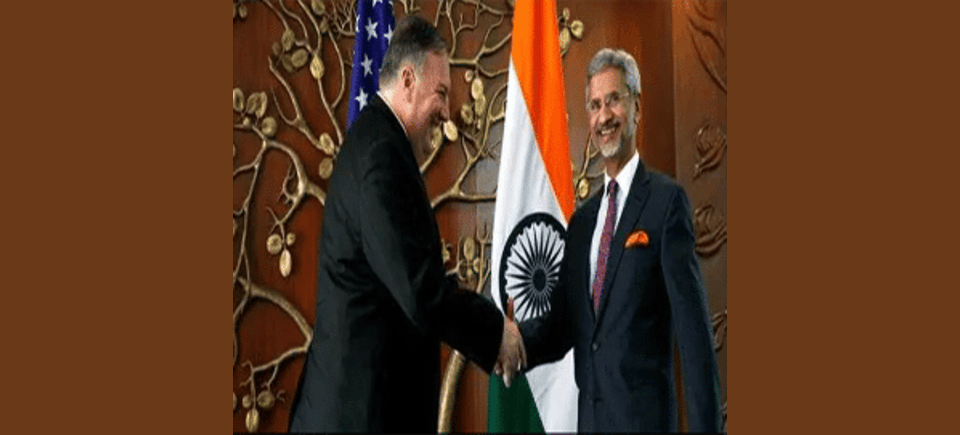
New Delhi: India has said that it is ready to hold Quad–India, US, Australia, and Japan meet. Ministry of External Affairs spokesperson said, “we look forward to hosting quad meet later this year and …
Source: Zee News
Source Link: https://zeenews.india.com/india/india-ready-to-hold-quad-ministerial-meet-in-delhi-details-being-worked-out-2307317.html
India and the US need to acknowledge that they fall sometimes when it comes to human rights, Haley said asserting that the two countries can challenge each other to continue to do better on this front.
Source: Business Standard
Source Link: https://www.business-standard.com/article/international/india-us-can-challenge-each-other-to-do-better-on-human-rights-nikki-haley-120090200012_1.html

New Delhi: The US-India Strategic Partnership Forum (USISPF) today announced the formation of its India Executive Leadership Board on the occasion of it’s 3rd …
Source: India Education Diary
Source Link: https://indiaeducationdiary.in/usispf-announces-india-executive-leadership-board/

“The President has led the charge against the predatory practices from the Chinese economy and the Phase One trade deal is just a first step in that (direction)”.
Source: NDTV
Source Link: https://www.ndtv.com/world-news/us-envoy-stephen-biegun-on-beijing-aggression-india-strategy-is-to-push-back-china-2288387
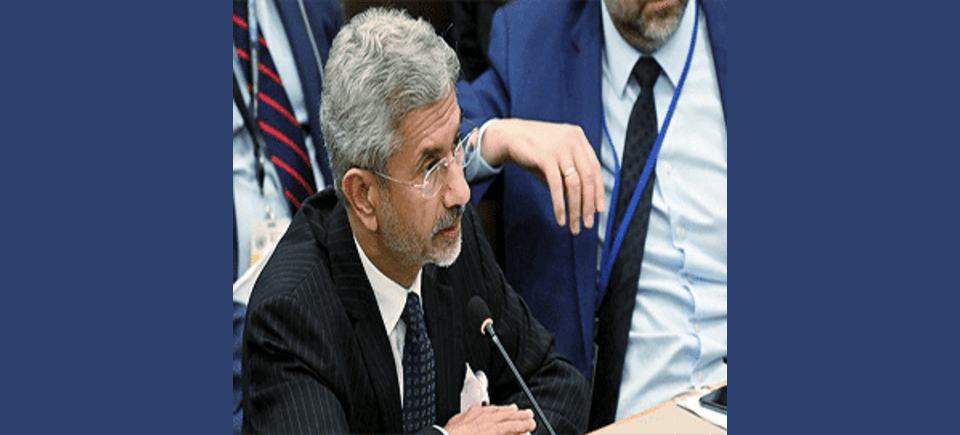
While interacting with Timothy Roemer, former US envoy to India, External Affairs Minister S Jaishankar added that people recognize the role Indian talent has played in US, global and Indian economy.
Source: NDTV
Source Link: https://www.ndtv.com/india-news/foreign-minister-s-jaishankar-says-us-visa-policy-supporting-indian-talent-is-win-win-for-both-2288364