News Month: November
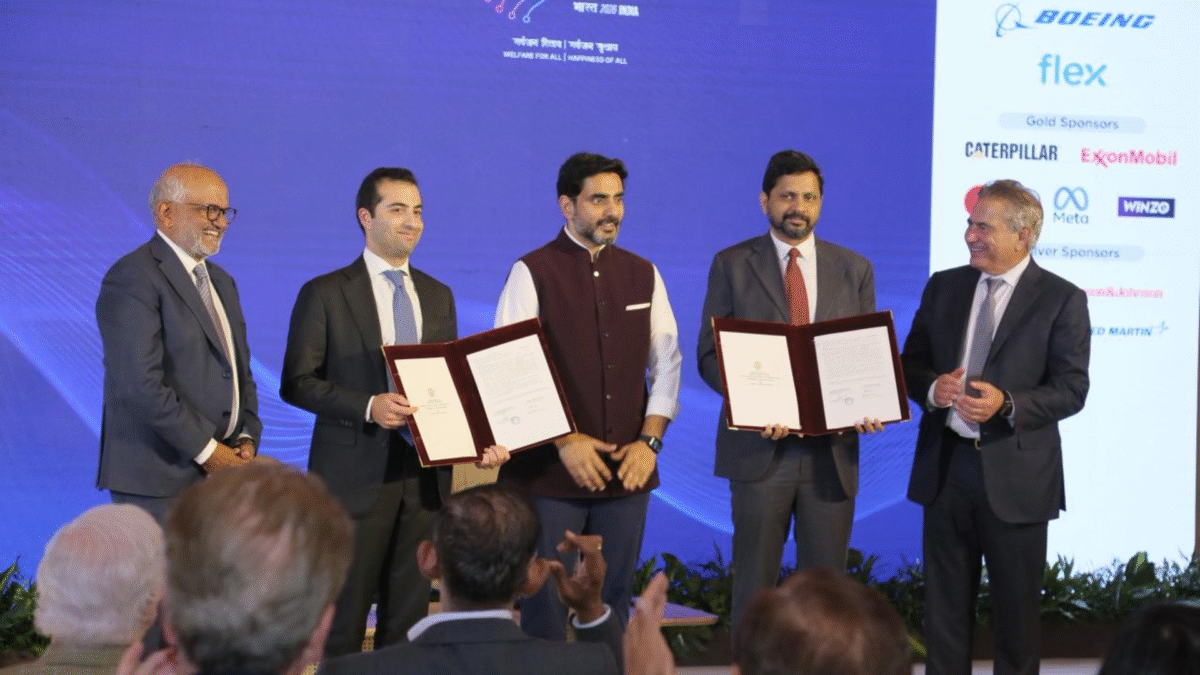
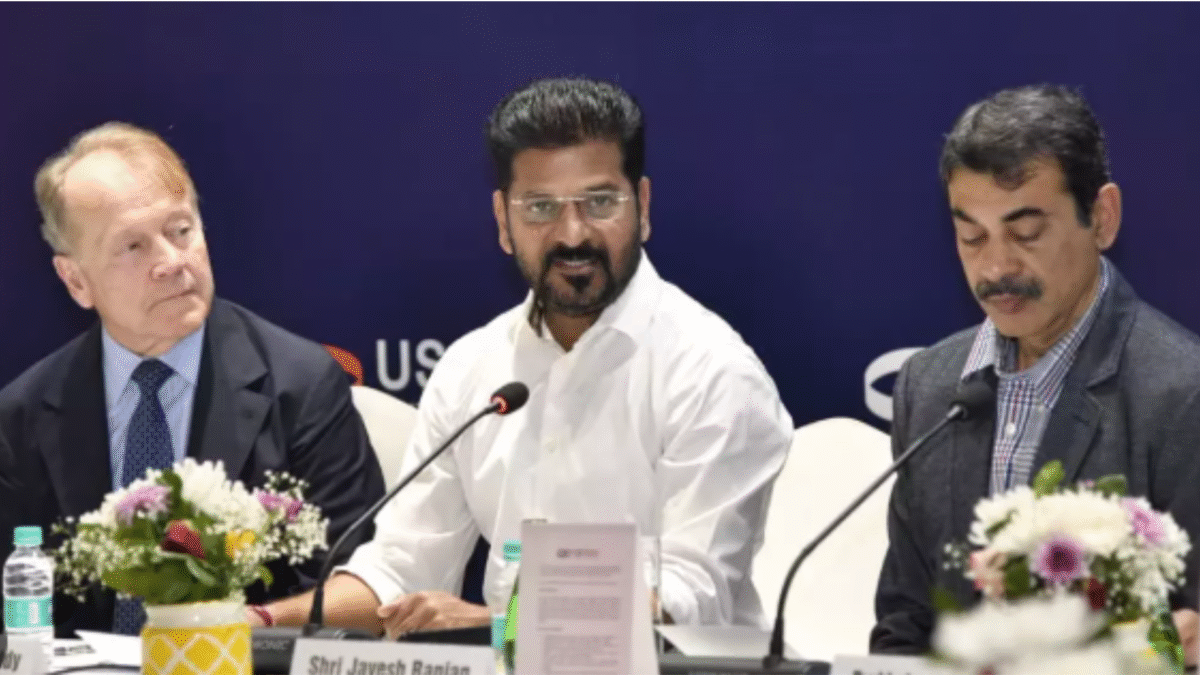

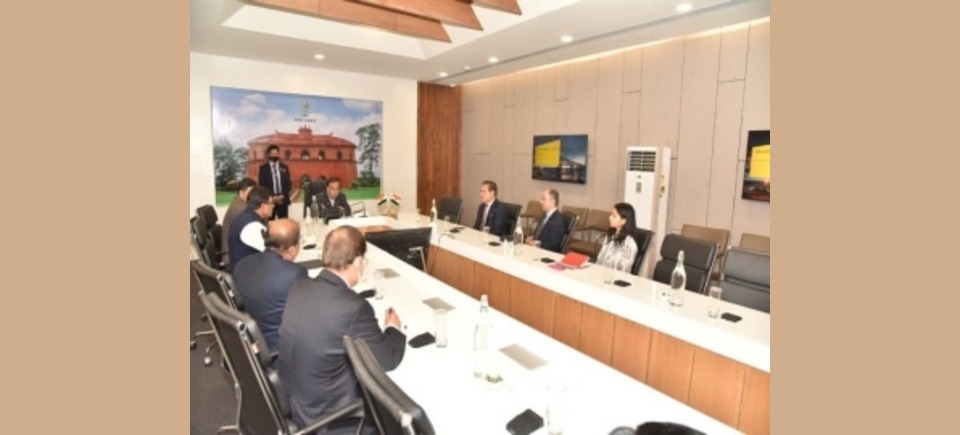
Dispur (Assam) [India], November 30 (ANI): Assam Chief Minister Himanta Biswa Sarma has urged the United States-India Strategic Partnership Forum (USISPF) to attract American investments in Assam and assured them of full support from the state government in this regard.
Biswa on Monday met a team of the USISPF led by its President Mukesh Aghi. The USISPF is a not-for-profit institution dedicated to strengthening the U.S.-India partnership in Washington and in New Delhi.
Senior members of the team and state govt officials including Chief Secretary Jishnu Barua were present during the discussion.
Taking to Twitter, Biswa said: “Glad to receive a team of United States-India Strategic Partnership Forum led by its President & CEO Dr Mukesh Aghi.”
They discussed various investment opportunities in Assam and “our vision to strengthen the economy and provide employment opportunities to our youth”.
“I urged the Forum to take steps to attract US investments in Assam and assured them of full support from our side in this regard,” he further tweeted.
The USISPF said that it discussed increasing investment opportunities in Assam and strengthening the state’s economy across a variety of sectors.
“USISPF President and CEO @MukeshAghi and COO @GauravVermaNY met with @himantabiswa, the honorable Chief Minister of Assam, Chief Minister Sarma and USISPF discussed increasing investment opportunities in Assam and strengthening the state’s economy across a variety of sectors,” the USISPF tweeted. (ANI)
More information

By Akshobh Giridharadas
Katherine Tai will meet Minister of Commerce and Industry, Piyush Goyal as they hold discussions for two days and deliberate on mutual cooperation on enhancing trade and economic ties
Washington and New Delhi’s relations have moved from a period of estrangement in the post-independence and pre-liberalisation era to one of engagement. Today, the strategic partnership rests on three strong pillars, with convergence on defence and security as demonstrated with the inaugural Quad summit in Washington and a new West Asian Quad that has come to fruition. The second pillar touches on shared democratic values as evinced with the words, “We The People”, enshrined in both constitutions and the catchphrase of the world’s oldest and largest democracy, every time a bilateral takes place between the respective leaders. Last, but not least, the strength and ubiquitousness of the diaspora, with the fait accompli of an Indian origin Spelling Bee champion and presence of Indian diaspora at the highest echelons of Silicon Valley.
More information
https://www.hindustantimes.com/opinion/trade-the-final-frontier-in-india-us-ties-101637592888433.html
Trade Representative also flags high tariffs and market access restrictions
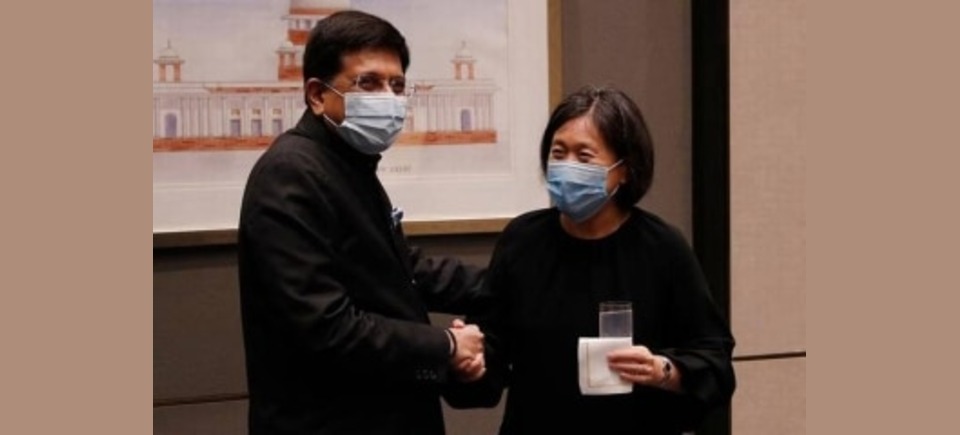
U.S. Trade Representative Katherine Tai on Monday flagged India’s ‘unpredictable’ regulatory norms, high tariffs and market access restrictions as key impediments to bilateral trade, emphasised America’s continued interest in agriculture market access and conveyed that “worker-centric” policies will be the pivot for the Joe Biden administration’s approach to trade policy.
On a maiden two-day visit to revive the U.S.-India Trade Policy Forum (TPF) after a four-year hiatus, Ms. Tai said the relationship is a top priority both for President Biden and for her, but highlighted that bilateral trade “never seems to quite live up to its significant potential”.
“At the USTR’s office, we hear very frequently from our stakeholders, who are not shy, on issues that will be familiar to those of you involved in moving goods and services between our two countries — market access restrictions, high tariffs, unpredictable regulatory requirements, restrictive trade measures… These are issues where we intend to make progress on and they will be on the top of my list while I am here,” Ms. Tai said.
Signalling a major switch to a “worker-centric” focus in the U.S. policy, Ms. Tai said: “President Biden is convinced that the U.S. policy needs a fundamental shift to ensure that our policies and actions focus on the impact that trade and trade agreements have on the lives of real working people.”
She said she will work closely with the Indian Government ‘colleagues’ including Labour and Employment Minister Bhupendra Yadav on connecting trade “more directly with working people”.
“There is a huge potential for growth in our two countries, in areas like the digital economy, services, health-related trade and yes, even agriculture. I believe that a revive TPF can help our trade relationship keep pace with our other areas of engagement,” she said after a meeting with Commerce and Industry Minister Piyush Goyal.
“India and the U.S. also face shared challenges like climate change and sustainability, vulnerable supply chains and promoting market-oriented principles and structures. These are areas that are ripe for closer collaboration now,” Ms. Tai said, underlining that the U.S. is committed to ensuring a robust and sustainable trade partnership.
“Delivering results and further integrating our two economies will require concerted efforts from our Governments, businesses, civil society, our people as both workers and consumers,” she said on the eve of the TPF meeting on Tuesday.
Mr. Goyal said he was pleased that the trade policy forum is being rejuvenated after “languishing for four years” and expressed confidence that the two sides will be able to resolve issues in an amicable manner and send a message to the world that the U.S. and India are strong partners.
“Citizens from both our countries look towards India-U.S. partnerships with great optimism and hope. The U.S. and India share a partnership that can not only help each other but the entire world to recover, if we were to work together,” he said.
Mukesh Aghi, President of the USISPF, said: “Minister Piyush Goyal recently spoke at USISPF’s annual general meeting and spoke of a trillion-dollar bilateral trade target between India and the U.S. by 2030. Our present bilateral trade is at $150 billion. For such a target to be achieved, we need increased foreign investments from the U.S. and an early harvest deal could help pave the way for larger deals. It is indeed positive to see U.S. Trade Representative Katherine Tai in New Delhi and we are hoping that the Trade Policy Forum (TPF) could lay the foundations for an early harvest deal.”
More information
https://www.thehindu.com/business/Industry/unpredictable-policies-key-impediments-to-bilateral-trade-us-tells-india/article37632757.ece
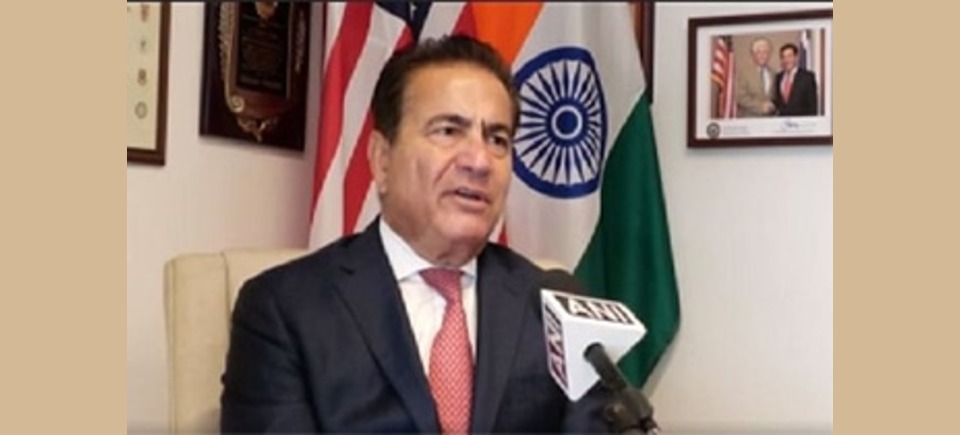
Washington [US], November 18 (ANI): US-India Strategic Partnership Forum Chief Mukesh Aghi has said that the Trump administration was very close to the mini trade deal with India, but now the domestic politics in America is “much more complicated”.
“With Trump administration, we were very close to the mini trade deal. I think to show some kind of success in early harvesting. It is important that India-US agree where it was left with the Trump administration to close that out to build the momentum itself. But the domestic politics in the US is now much more complicated,” Aghi told ANI on Wednesday (local time).
Commenting further on the Biden administration, US-India Strategic Partnership Forum Chief said, “The progressive Left inserts labour rights, they talk about human rights, religious freedom, and I think if you start pushing those into a trade deal, you will not get a trade deal.”
US and India have agreed to take a comprehensive look at ways to expand the bilateral trade relationship.
In a virtual meet, US Trade Representative Katherine Tai and India’s Minister of Commerce and Industry, Piyush Goyal had looked forward to their upcoming meetings in New Delhi (November 22-23).
Both leaders agreed to take a comprehensive look at ways to expand the bilateral trade relationship and ensure the future success of the US-India Trade Policy Forum, read Tai’s statement.
More information
https://www.aninews.in/news/world/us/trump-admn-was-close-to-mini-trade-deal-with-india-but-us-domestic-politics-more-complicated-now-says-trade-body-chief20211118100704/?amp=1
By Parikshit Luthra
Mini
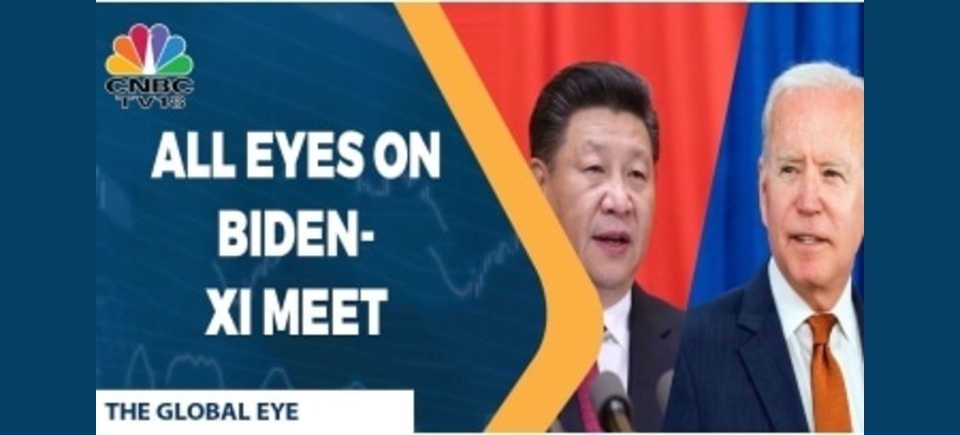
US President Joe Biden is expected to hold a hotly awaited virtual summit with his Chinese counterpart Xi Jinping on Monday, US media reported, as tensions mount over Taiwan, human rights and trade. Relations between the world’s two largest economies have deteriorated in recent weeks, in particular over Taiwan, a self-ruling democracy claimed by China, which last month made a record number of air incursions near the island.
The CNBC-TV18 special show Global Eye focuses on the big diplomacy push between the United States (US) and China. It also throws light on the upcoming meeting between US Trade Representative Katherin Tai and India’s Commerce Minister Piyush Goyal.
Moreover, as the COP26 Climate Summit is winding up in Glasgow, CNBC-TV18 also spoke to furniture maker IKEA’s parent company Ingka Group about the role of the private sector in climate action.
US President Joe Biden will hold a virtual meeting with his Chinese counterpart Xi Jinping next week. The meeting comes amidst trade tensions between the two countries and the US’ criticism of China’s military activities. China has also extended an olive branch with President Xi Jinping saying China is ready to manage differences with the US and enhance cooperation.
Ananth Krishnan, correspondent for The Hindu said just the fact that this summit is happening is a win for China and it is a little bit puzzling from an Indian observer’s point of view as to why the US is so keen to have this summit.
Krishnan believes there is very little scope of any major headwinds to be made in some of the issues which the US is concerned with, whether it is China’s economic practices, human rights, or Taiwan. “I am expecting very little from the summit beyond low-hanging fruits such as reopening consulates that were shut during the Trump administration time, maybe easing up of visa restrictions but the big structural problems aren’t going anywhere,” he said.
Meanwhile, US Trade Representative (USTR) Katherin Tai and India’s Commerce Minister Piyush Goyal will hold an in-person meeting in the third week of November when the USTR visits India on a two-day trip. The two held a virtual meeting on November 2 where they agreed to take a comprehensive look at ways to expand bilateral trade ties. The two countries also shared perspectives on how to reach meaningful outcomes at the upcoming World Trade Organization Ministerial Conference that will be held in Geneva from November 30 till December 3.
Commenting on the upcoming meeting, Mukesh Aghi, president of the US-India Strategic Partnership Forum, said it is important to understand that the trade between the two countries without a trade deal is growing, both on the services and goods side. It seems to move in a positive direction, he said.
As the COP26 summit is coming to a close, CNBC-TV18 took a look at the highlights. India committed to achieving net-zero emissions by 2070, China-US announced plans to work together to cut down methane emissions, over 100 global leaders pledged to end deforestation by 2030, China said it is targeting a 1.8 percent cut in average coal use at power plants by 2025, and China and Russia were criticised for missing the summit and for lack of urgency.
Juvencio Maeztu, the CFO and deputy CEO of Ingka Group, discussed the role of the private sector in climate action. He also shared his views on how the private sector can be made more accountable when it comes to reducing emissions.
More information
https://www.cnbctv18.com/world/global-eye-joe-biden-xi-jinping-meet-a-win-for-china-says-the-hindu-cop26-summit-winding-up-and-more-11449842.htm
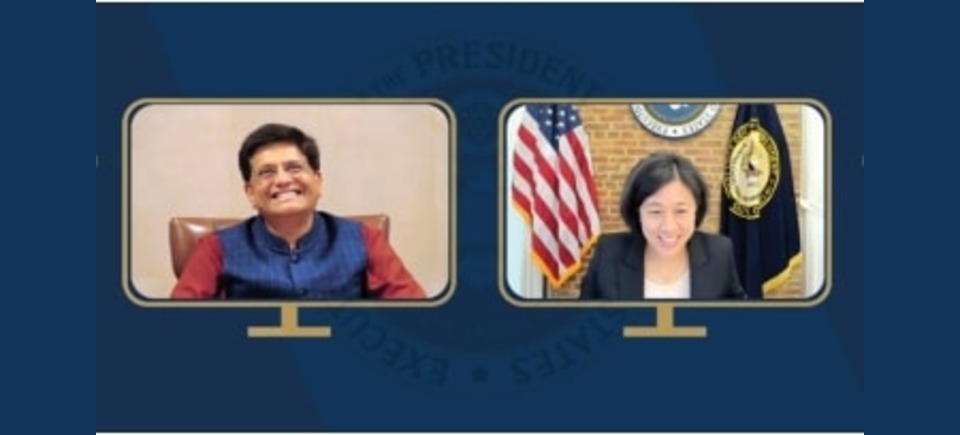
Katherine Tai is embarking on her maiden visit to India as US Trade Representative from 22 to 24 November. The two sides will resume the Trade Policy Forum after a gap of four years.
New Delhi: India and the US are set to talk tough on bilateral trade and investments as they get ready to resume the Trade Policy Forum (TPF) after a gap of four years with the maiden visit of US Trade Representative (USTR) Katherine Tai later this month.
Tai, who was confirmed by the Joe Biden administration as the USTR in February 2021, is the first woman of colour to assume this role.
Tai will be in Delhi from 22-24 November as part of a two-week visit to Japan, South Korea and India that aims to “strengthen (the US’) trade and economic relationships with key allies and partners”.
In India, she will be meeting her Indian counterpart Piyush Goyal, the Union Commerce and Industry Minister, for the TPF. She will be accompanied by Deputy USTR Sarah Bianchi.
The India-US TPF was established in 2005 with the Office of the USTR and the Ministry of Commerce and Industry in India serving as nodal agencies.
The TPF last met in October 2017 in Washington DC under the then commerce minister Suresh Prabhu and former USTR Robert Lighthizer. Former President Trump subsequently discontinued it as he sought a comprehensive trade deal with India.
However, after PM Narendra Modi’s meeting with US President Biden this September, a joint statement said the leaders “looked forward to reconvening the India-US Trade Policy Forum before the end of 2021, to enhance the bilateral trade relationship by addressing trade concerns, identifying specific areas for increased engagement and developing an ambitious, shared vision for the future of the trade relationship”.
The Biden administration has made it clear to India that it is not keen on a bilateral trade agreement, unlike the previous Donald Trump government, and Washington is now more focused on easing some of the persistent trade irritants between both countries, sources told ThePrint.
The sources said the US will most significantly raise the issue of restrictive data policies and discriminatory tax measures, which Tai had flagged in her first National Trade Estimate Report (2021) this March. The US is also likely to raise the issue of non-tariff barriers and import restrictions on a range of items.
India, the sources added, will once again push the US for negotiating a smaller trade pact or a mini trade deal — something that was almost concluded under Trump.
Concerns on both sides
Earlier this year, after Tai’s first conversation with Goyal as USTR, Washington made it clear that the road ahead is going to be challenging between both countries, irrespective of the strategic gains both sides have made.
The USTR proposed retaliatory action against India’s 2 per cent equalisation levy (EL) and also initiated an investigation against the country’s Digital Services Tax (DST), which the US described as discriminatory.
Under DST, also known as the EL, the government charges 2 per cent tax on revenue generated from a broad range of digital services offered in India. The DST is meant only for non-resident companies.
In March, the US proposed retaliatory tariffs of up to 25 per cent on nearly 40 Indian products, from shrimps to silver, as a counter against the EL. The tariffs were announced in June but suspended pending international tax negotiations.
The sources said both sides have been discussing the matter regularly, and Goyal and Tai have been in touch with each other on finding a resolution to the matter.
On 3 November, Tai and Goyal spoke to each other virtually and discussed her upcoming visit.
According to a statement issued by the USTR, they “looked forward to their upcoming meetings in New Delhi (22-23 November), and agreed to take a comprehensive look at ways to expand the bilateral trade relationship and ensure the future success of the US-India Trade Policy Forum”.
Speaking to ThePrint, Richard M. Rossow, Wadhwani Chair in US-India Policy Studies at the Washington-based Center for Strategic and International Studies, said “the US has a pretty wide-ranging set of trade concerns to raise”.
“The priority issues are those that comprised the mini deal our nations almost sealed last year — such as price controls on medical devices, agriculture market access. USTR is hoping India relents on its equalisation levy for cross-border digital services. It has delayed implementation of retaliatory tariffs, but such a delay will not last forever.”
“A much wider set of issues remains in front of mind. This includes the wide range of tariff increases and local content mandates India has introduced in recent years; concerns about data localisation through the Personal Data Protection Bill; and intellectual property rights,” he added.
Most American officials, Rossow said, “believe India must show good faith by dismantling recent trade barriers before a larger trade agreement can be considered”.
“Pushing a wider trade agreement with India will take a great deal of senior-level time and energy. With so many competing interests, American officials will want real proof that India is ready to make serious trade commitments,” he added.
Welcoming the move to “restart” the TPF, Mukesh Aghi, president and CEO of the Washington-based US-India Strategic Partnership Forum (USISPF), said, “We hope for fruitful discussions that could potentially bring about an early harvest deal. A vibrant Indian economy provides tremendous opportunities for US corporate investment, benefitting both economies.
“Enhanced trade would greatly strengthen the strategic partnership between New Delhi and Washington, taking this already robust partnership to new heights.”
India is also expected to make a last-ditch attempt at having the US restore the Generalised System of Preferences (GSP) programme, which was taken away under Trump in June 2019. The Biden administration has made no mention of reinstating India’s status in the programme. India enjoyed trade benefits to the tune of about $6 billion under the GSP programme.
“India would like to see a restoration of trade benefits under the GSP. However, the entire GSP programme expired in January and has not yet been re-authorised. So, USTR cannot make any binding promises at this point,” Rossow said.
Mark Linscott, nonresident senior fellow at the Washington-based Atlantic Council’s South Asia Center, said a “challenge both sides confront in removing some of these irritants is that the Biden administration has its hands tied on GSP”.
“The US GSP programme has expired and its renewal is stuck in the Congress. That said, if this TPF produces little more than pledges of future dialogue, it will be a bit of a dud. The moment has come for both sides to prioritise the trade relationship, put it on par with their work with other countries.”
Linscott, who is a former assistant USTR for South and Central Asian Affairs, added, “If the US can spend so much time with European allies, even with no FTA (free trade agreement) on the horizon, it should be able to devote that kind of attention to India.
“Of course, the perennial problem is a perspective that it is too difficult to negotiate on trade with India and there is a history of failed efforts in the past to solve problems that might justify this perspective.”
More information
https://theprint.in/diplomacy/us-india-gear-up-for-tough-talks-as-us-trade-representative-tai-comes-calling/761632/?amp

By Mukesh Aghi & Shweta Kathuria,
Rarely do you have global consensus between the representatives of almost 140 countries who can find common ground on most issues, let alone on taxes, a contentious issue by itself. But, earlier this month, the Organization for Economic Cooperation and Development (OECD) did just that. In their meeting on October 8, the OECD was able to bring together such a consensus on how companies around the world should be taxed in a jurisdiction where they do not have any domicile status or a physical place of doing business. Following years of intensive negotiations to bring the international tax system into the 21st century, 136 jurisdictions (out of the 140 members of the OECD/GROUP OF 20 (G20) Inclusive Framework on Base Erosion and Profit Shifting (BEPS) joined the Statement on the Two-Pillar Solution to Address the Tax Challenges Arising from the Digitalization of the Economy.
Today, Digitization is transforming lives in many aspects as well as how our economy functions. Technology has permeated across various sectors, creating sub-sectors of technology, like FinTech, EdTech and MedTech. However, with these new sectors, technology also enabled a sense of location agnosticism and the overnight implementation of a digital world that most of us have lived in since the onset of the pandemic.
The ease of virtual operations today can create a lack of defining where a business is based out of, often leading to complexities establishing policies such as domestic or overseas tax laws. Many countries, including India, introduced unilateral measures to tax such multinational companies (MNCs).
At that point, the OECD orchestrated an inclusive framework to bring together policy makers from around the world, setting the stage for a new global taxation regime. The same technology that helped businesses break international boundaries also prompted nations to bring parity in tax laws across borders.
Four months of intense deliberations between the Group of Seven (G7) members led to an upcoming agreement on a 15 percent global minimum corporate tax. Now, a whopping136 nations, including India, have endorsed the proposal.
For India specifically, the real challenge is to get rid of the unilateral levy famously called the Equalization Levy. The levy has often been a topic of deliberation by large economies and mostly by the U.S., given that most oftech multinationals are headquartered stateside.Because of location, India and the US have often tried to come to terms on how and when profits of such companies should be taxed. With a new global consensus, there is now a pathway to mitigate these delicate conversations.
The move will also enable efficient tax planning by leading multinational companies which do businesses across multiple continents and different countries leading to more predictable and transparent tax compliance. For decades, nations around the world have used a lower tax rate as a means to attract investments from multinational corporations, with some even dropping it to a level of zero. A multilateral deal will put an end to this race to the bottom.
Specifically for India, experts say that the country should benefit by Pillar One, which hopefully will ensure a fairer distribution of profits and taxing rights among countries with respect to the largest and most profitable multinational enterprises. It will re-allocate some taxing rights over MNEs from their home countries to the markets where they have business activities and earn profits, regardless of whether firms have a physical presence there.
Pillar Two,on the other hand, introduces a global minimum corporate tax rate set at 15 percent. The new minimum tax rate will apply to companies with revenue above EUR 750 million (USD 870 million) and is estimated to generate around USD 150 billion in additional global tax revenues annually. Further benefits will also arise from the stabilization of the international tax system and the increased tax certainty for taxpayers and tax administrations. India has various deductions and exemptions including deduction incorporated in the Indian Financial System Code and anticipates that the existing deductions and exemptions will be grandfathered.
While the world awaits contours of the tax deal, the OECD in its statement has called the deal as a win-win for all, countries, and companies. Many developing countries remain sceptical about the gains from the deal, particularly under Pillar One. India will surely ascertain its own benefit from the deal before implementing it from the targeted year 2023.
More information
https://www.financialexpress.com/economy/how-the-global-tax-deal-will-impact-us-india-trade-relations/2362323/

For one, many Indian citizens, whether motivated politically or through genuine concerns were against such a partnership with fears that the market would be flooded with cheaper imported goods against which…
Source: Financial Express
Source Link: https://www.financialexpress.com/defence/india-must-start-playing-a-bigger-role-on-the-world-stage/2138139/lite/
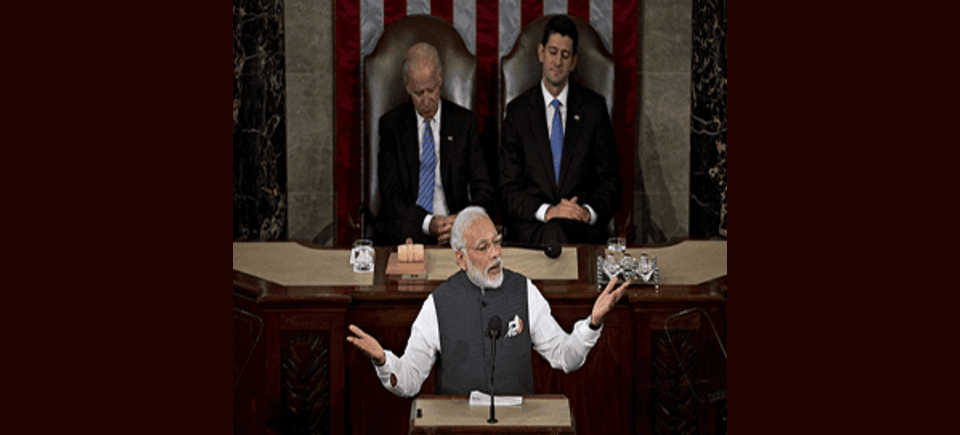
The outcomes of the presidential election will not act as a barrier in Indo-US ties and are believed to further deepen the bilateral relationship.
Source: Financial Express
Source Link: https://www.financialexpress.com/economy/will-modi-need-to-build-new-road-to-us-after-trumps-exit-no-market-potential-will-drive-trade-ties/2125259/

In this news, we discuss the Restoring India’s GSP Status, A Small Indo-American Trade Agreement To Send A Very Strong Signal: Aghi
Source: Economic Times
Source Link: https://economictimes.indiatimes.com/news/economy/foreign-trade/restoration-of-indias-gsp-status-a-small-indo-us-trade-deal-to-send-very-strong-signal-mukesh-aghi-usispf/articleshow/79145211.cms

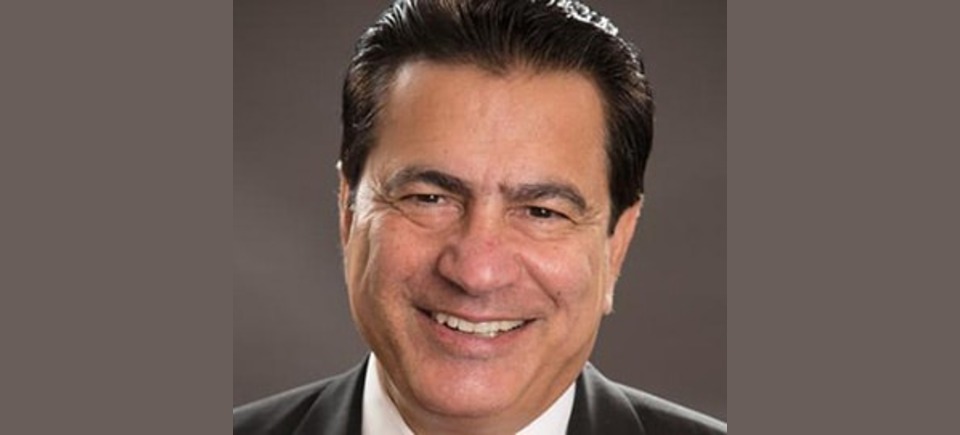
Dr Mukesh Aghi, President & CEO of USISPF (US-India Strategic Partnership Forum) shares his insights…
Source: Youtube
Source Link: https://www.youtube.com/watch?v=HTp6V1X4Kk4&feature=youtu.be

NEW DELHI: US lawmakers’ six-hour grilling of the CEOs of Facebook, Google, Amazon and Apple on Wednesday renews…
Source: Times of India
Source Link: https://timesofindia.indiatimes.com/business/india-business/how-fair-are-practices-of-tech-giants-in-india/articleshow/77295546.cms
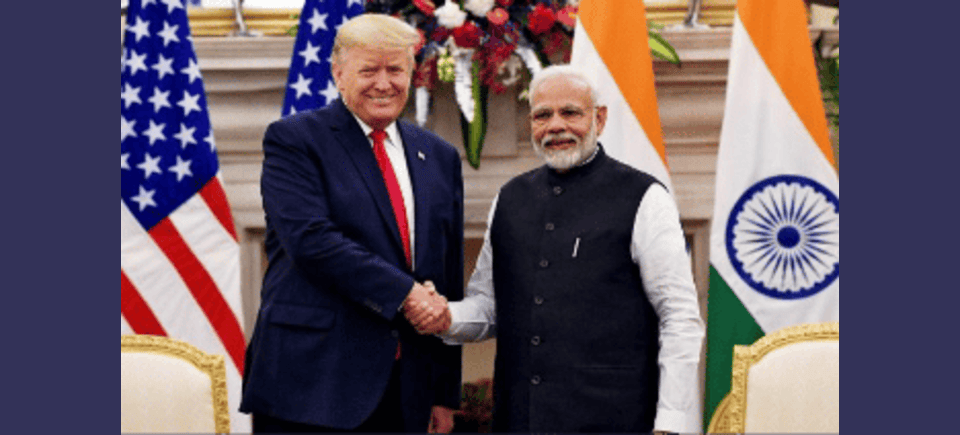
Taranjit Sandhu, Indian ambassador to the US, says it’s a win-win proposition & ‘our leadership has given direction’…
Source: The Print
Source Link: https://theprint.in/diplomacy/india-and-us-are-nearer-to-a-smaller-trade-deal-than-ever-before-says-envoy-sandhu/457888/

NEW DELHI: A key cross-national industry body has pitched for an economic partnership deal between India, the United States, Japan and Australia…
Source: Economic Times
Source Link: https://economictimes.indiatimes.com/news/economy/foreign-trade/india-must-try-for-quadrilateral-fta-after-closing-us-trade-deal-suggests-usispf/articleshow/77161365.cms
India has offered an opening to US dairy imports through a quota-based system, the report says…
Source: LiveMint
Source Link: https://www.livemint.com/news/india/india-us-trade-deal-new-delhi-seeks-preferential-treatment-on-drugs-other-goods-11595254064465.html

The US Elections are poised on a knife’s edge and a few swing states hold the keys to the White House.
Source: CNBC-TV-18
Source Link: https://www.cnbctv18.com/videos/world/us-election-2020-donald-trump-and-joe-biden-locked-in-a-tight-race-experts-analyse-key-trends-7398471.htm